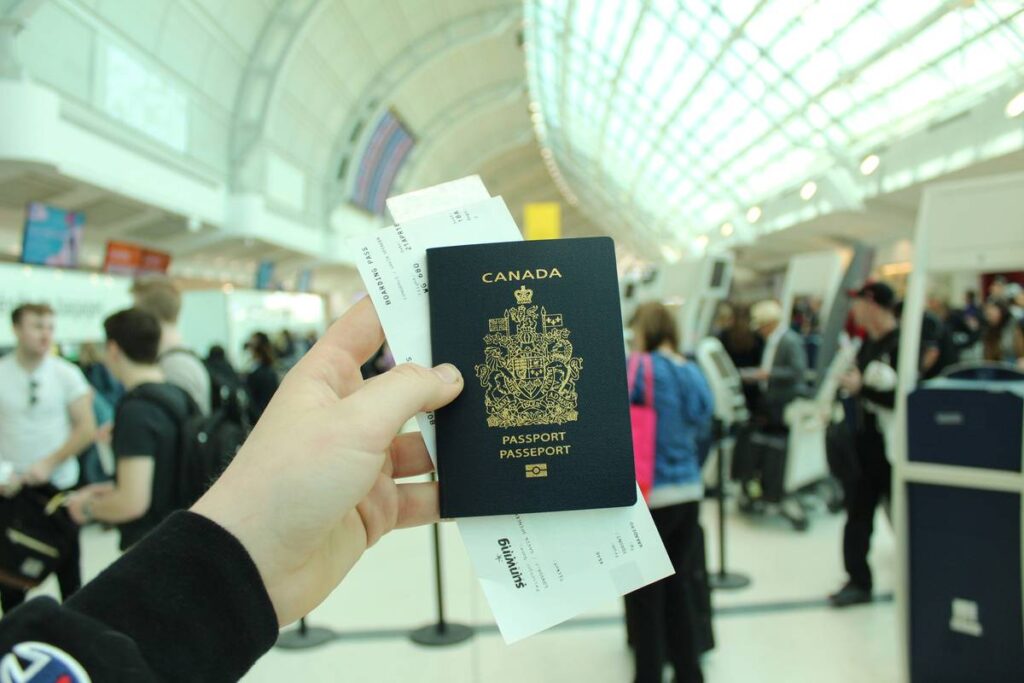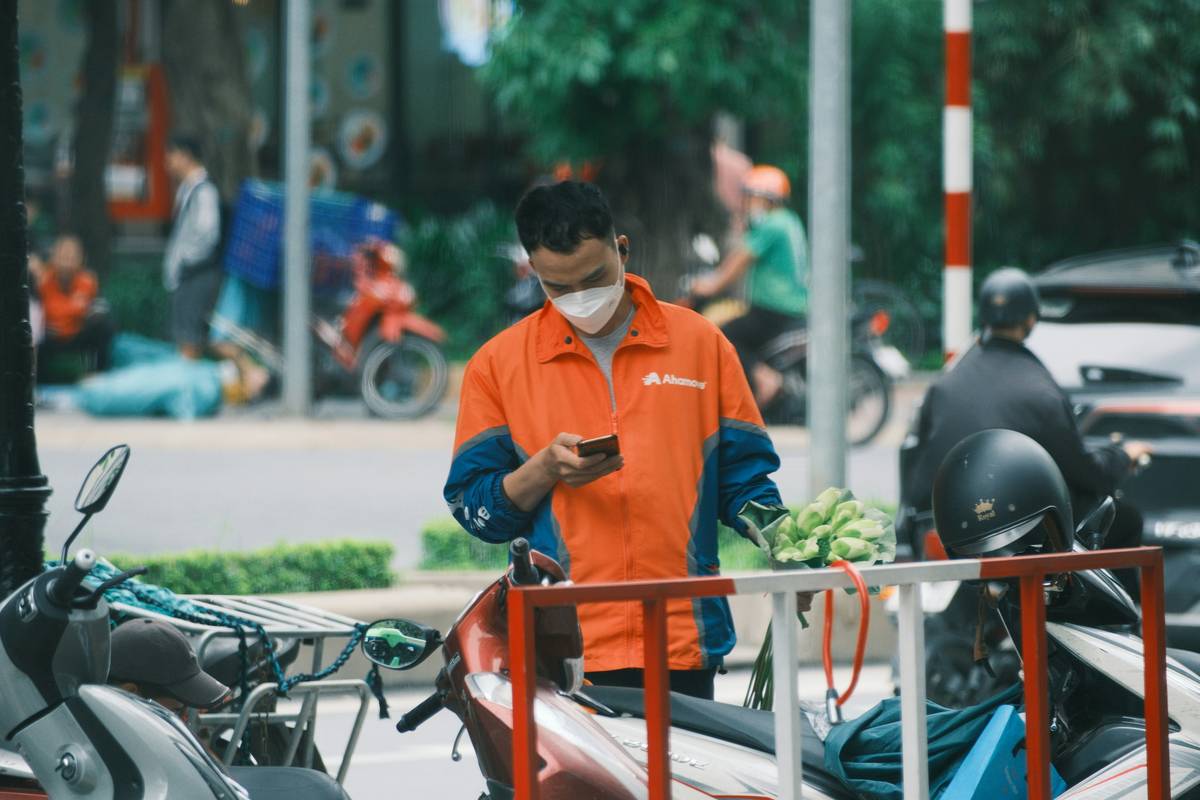
If you’ve ever accepted a last-minute ride-share gig across state lines or booked a spontaneous weekend trip while juggling freelance gigs, you’ve probably asked yourself: “Am I covered if something goes wrong?” You’re not alone. Millions of gig workers travel for work without realizing their insurance gaps—until it’s too late. In this guide, we break down what gig economy workers rights really mean when you’re on the road, how to protect yourself without breaking the bank, and why skipping coverage could cost you thousands.
Table of Contents
- Why Travel Insurance Matters for Gig Workers
- Step-by-Step Guide to Securing Coverage
- Best Practices for Smart Protection
- Real-World Case Studies
- Frequently Asked Questions
Key Takeaways
- Standard health or auto policies often exclude income loss from gig work disruptions during travel.
- Specialized gig worker travel insurance can cover trip cancellations, medical emergencies, and equipment damage.
- The U.S. Department of Labor acknowledges gaps in protections for independent contractors (DOL, 2023).
- Always verify if your policy covers “work-related travel” as a gig worker—not just leisure.
- Your experience as a gig professional strengthens claims but doesn’t guarantee automatic coverage.
Why Travel Insurance Matters for Gig Workers
Unlike traditional employees, gig workers rarely receive employer-sponsored benefits—including travel protections. If your flight gets canceled while you’re en route to cover an event as a freelance photographer, or you sprain your wrist delivering food via bike in another city, who replaces that lost income? Spoiler: your regular insurance likely won’t.

I learned this the hard way in 2022. I flew to Austin for a week-long content shoot—booked through a gig platform—with no travel insurance. On day two, my camera bag was stolen. My renter’s insurance denied the claim because the theft occurred “during commercial activity.” I lost $2,800 in gear and missed three bookings. That mistake cost me nearly a month’s income. Don’t be like me.
Step-by-Step Guide to Securing Coverage
1. Audit Your Current Policies
Review your health, auto, and renters/homeowners insurance. Look for exclusions related to “business use,” “income replacement,” or “work-related travel.” Most standard plans treat gig work as commercial activity, which voids personal coverage.
2. Choose a Gig-Friendly Provider
Seek insurers that explicitly cover independent contractors. Companies like World Nomads and Berkshire Hathaway Travel Protection offer plans that include “occupational accident” riders or “equipment loss” add-ons for freelancers.
3. Disclose Your Work Accurately
When applying, describe your gig work truthfully—e.g., “freelance videographer traveling for client shoots.” Misrepresentation is the #1 reason claims get denied. According to the U.S. Travel Insurance Association, 68% of rejected claims stem from incomplete disclosure (USTIA, 2024).
Best Practices for Smart Protection
- Avoid the “terrible tip”: Never assume your credit card’s travel insurance covers gig-related losses. Most only cover prepaid non-refundable expenses for leisure trips—not income or work tools.
- Buy insurance within 24 hours of your first trip payment to qualify for “cancel for any reason” upgrades.
- Store digital copies of your policy, gear receipts, and gig contracts in a cloud folder labeled “Travel Claim Backup.”
- Opt for plans with 24/7 emergency assistance—critical if you’re stranded in a new city after a gig cancellation.
Real-World Case Studies
In 2023, Maya R., a DoorDash driver based in Denver, rented a car for a cross-state delivery surge weekend. After a minor collision, her personal auto insurer refused to cover repairs, citing “commercial livery exclusion.” Fortunately, she’d purchased a gig-specific travel add-on through Allianz that reimbursed $1,200 in vehicle damage and $300 in lost earnings during repair downtime.
Similarly, a Freelancers Union survey found that 54% of respondents who traveled for gigs in 2023 experienced at least one financial loss due to lack of tailored coverage—averaging $920 per incident.
Frequently Asked Questions
Does travel insurance cover lost gig income?
Only if you buy a plan with “income protection” or “trip interruption for work reasons.” Standard policies do not. Always confirm wording with your provider.
Are ride-share drivers covered under personal auto insurance while traveling?
No. Personal policies typically exclude coverage the moment you accept a fare. Many states require commercial endorsements—check your local DMV rules.
Can I get travel insurance as a non-U.S. citizen gig worker?
Yes. Providers like IMG Global offer plans for international contractors working remotely or traveling for gigs, though eligibility varies by country.
Is gig economy workers rights recognized in travel insurance law?
Not directly—but federal guidance (like the DOL’s 2023 contractor rule) highlights the need for portable benefits. Insurers are slowly adapting products accordingly.
What should I do if my claim is denied unfairly?
Appeal in writing with documentation. If unresolved, file a complaint with your state’s insurance department. For ongoing support, contact us—we advocate for gig worker protections.
How does data privacy affect my travel insurance application?
Providers may request gig platform earnings screenshots or booking histories. Review their privacy policy before submitting sensitive info.
Conclusion
Protecting your livelihood as a mobile gig worker isn’t optional—it’s essential. Understanding your gig economy workers rights means knowing where standard systems fail you and acting before disaster strikes. Don’t wait for a stolen camera or a canceled flight to expose your vulnerability. Reach out today to discuss tailored strategies that keep you covered, paid, and moving forward—no matter where your next gig takes you.
On the road again / Gear packed, contract signed tight / Rights guard my next mile.