Ever been stranded in Lisbon with a sprained ankle, no local bank access, and your ride-share app frozen because you’re 24 hours away from payday? Yeah. I’ve been there—shivering in a hostel lobby at 3 a.m., trying to explain “gig economy” to a Portuguese ER nurse while Googling “travel insurance for freelancers who forgot to budget.”
If you earn income through gig work—whether you’re a DoorDasher between flights, a Fiverr designer editing client decks from Bali, or a freelance photographer shooting weddings in Marrakech—you face a brutal truth: income volatility meets travel unpredictability. And standard travel insurance often doesn’t cover you when you’re “working” abroad.
That’s where Gig Worker Emergency Funds come in—not as a luxury, but as your financial seatbelt. In this post, you’ll learn:
- Why traditional emergency funds fall short for mobile gig workers
- How to calculate a travel-ready emergency buffer that accounts for healthcare gaps
- Where to stash it so it’s accessible globally (without killing your APY)
- Real stories of gig workers saved—and burned—by their prep (or lack thereof)
Table of Contents
- Why Gig Workers Need a Different Emergency Fund
- How to Build Your Gig Worker Emergency Fund: Step by Step
- Best Practices for Travel-Ready Emergency Cash
- Real-World Case Studies: When It Saved (or Sank) Them
- FAQ: Gig Worker Emergency Funds
Key Takeaways
- Gig workers need 3–6 months of travel-adjusted expenses—not just rent/utilities—but include healthcare deductibles, flight change fees, and lost gig income.
- Pair your emergency fund with a gig-specific travel insurance policy; they exist and cover income interruption due to medical emergencies abroad.
- Store funds in a high-yield account with zero foreign transaction fees and ATM withdrawal access worldwide (e.g., SoFi, Charles Schwab).
- Avoid the “terrible tip” of using crypto as your sole emergency reserve—it’s too volatile and inaccessible during crises.
Why Do Gig Workers Need a Different Emergency Fund?
Traditional advice tells you to save “3–6 months of living expenses.” Great—if you have a W-2, PTO, and employer-sponsored health coverage. But as a gig worker traveling internationally, your risk profile looks like a rollercoaster built by toddlers.
You might be earning $4,000 one month editing reels from Chiang Mai, then get food poisoning during peak season and lose two weeks of income—with no sick pay. Or your laptop dies in Mexico City, halting all client work until you buy a new one ($1,800) plus data recovery ($300). Meanwhile, U.S.-based travel insurance won’t reimburse you because you weren’t “on vacation”—you were technically working.
According to a 2023 Upwork study, 58% of independent workers experienced income loss due to health issues while traveling, yet only 22% had insurance covering work-related medical emergencies abroad. That gap is why your emergency fund must account for:
- Lost gig income during recovery
- Out-of-pocket medical costs not covered by travel insurance
- Emergency evacuation or repatriation fees
- Last-minute flight changes due to illness or family emergencies
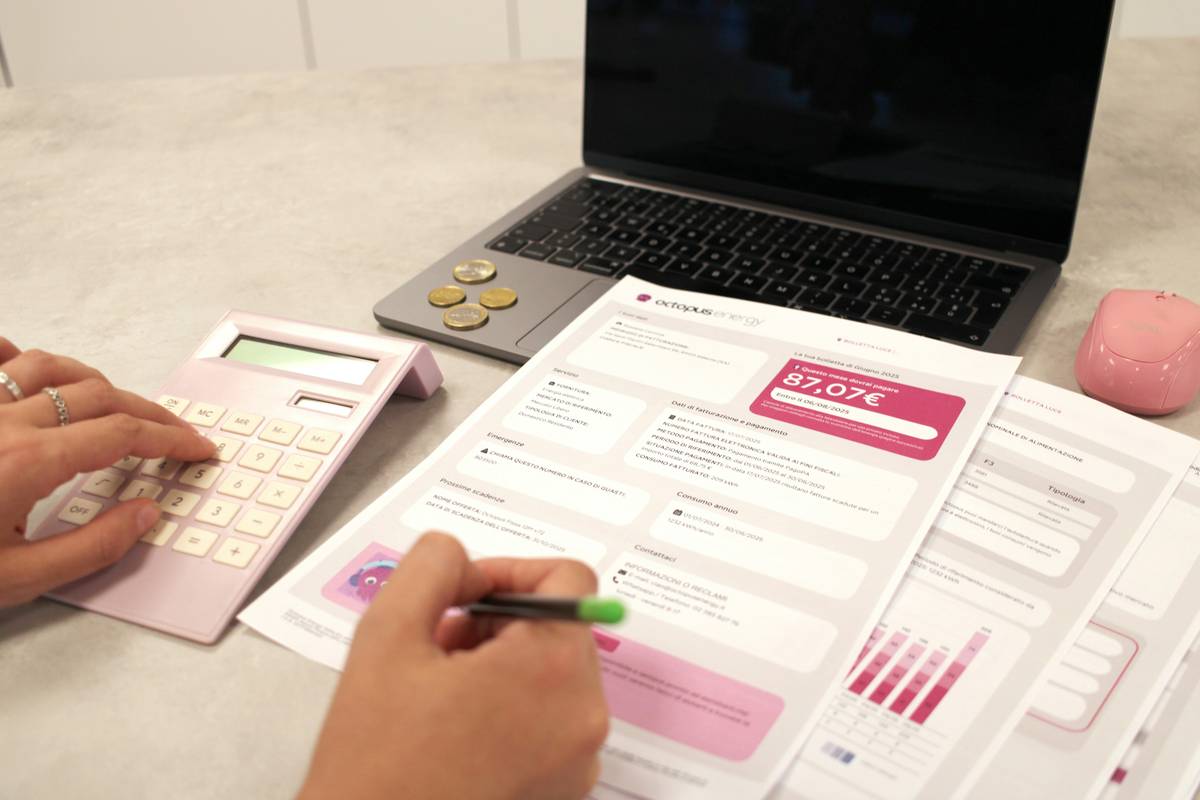
Optimist You: “I’ll just use my credit card!”
Grumpy You: “Says the person who got hit with a 32% APR after Barcelona food poisoning. Hard pass.”
How to Build Your Gig Worker Emergency Fund: Step by Step
Step 1: Calculate Your Travel-Adjusted Baseline
Don’t just tally rent and groceries. Include:
- Average monthly gig income (use last 6 months’ average)
- Minimum living costs in your most frequent travel destinations
- Average cost of a basic travel insurance plan with medical + trip interruption ($80–$150/month)
- Healthcare deductible (if uninsured or underinsured)
- Liquid (accessible within 24 hours)
- Global-friendly (no foreign transaction fees)
- Federally insured (FDIC or equivalent)
- Never store it all in one place. Keep 70% in your high-yield account, 20% in a stablecoin wallet like Coinbase (for regions with banking restrictions), and 10% in cash (USD/EUR) in your carry-on.
- Sync with gig-specific insurance. Companies like SafetyWing (Nomad Insurance) and World Nomads offer plans covering “work-related” medical emergencies abroad—critical if you’re injured while working remotely.
- Review quarterly. Update your fund size after major income shifts or destination changes (e.g., moving from SE Asia to Western Europe).
- Avoid this terrible tip: “Just use Bitcoin as your emergency fund.” Crypto crashes don’t care about your ankle surgery. Liquidity ≠ speculation.
Example: If you typically spend $2,200/month while traveling (hostels, SIM cards, local transport) and earn $3,500 on gig apps, your baseline = $2,200 + $300 (insurance) + $500 (health buffer) = $3,000/month. Multiply by 3 = $9,000 minimum emergency fund.
Step 2: Open the Right Account
Your emergency cash needs to be:
Top picks: Charles Schwab Investor Checking (ATM fee reimbursements worldwide), SoFi Money (high-yield, fee-free int’l transactions), or Wise Business (multi-currency with local IBANs).
Step 3: Automate Deposits Based on Gig Income
Set up a rule: “For every $100 earned, $15 goes into emergency fund.” Use apps like YNAB or Monarch Money to auto-transfer after each payout. Pro tip: Do this right after you get paid—before lifestyle inflation kicks in.
Best Practices for Travel-Ready Emergency Cash
Real-World Case Studies: When It Saved (or Sank) Them
Case Study 1: The Digital Nomad Who Broke Her Arm in Nepal
Sarah, a freelance copywriter, had $7,500 in her gig emergency fund + SafetyWing insurance. After a trekking accident, she paid $400 out-of-pocket for local treatment (covered partially by insurance), used $600 from her fund for an emergency flight back to Thailand, and lived off the rest while recovering—without touching client deadlines. Total loss: $0 in long-term income.
Case Study 2: The Food Delivery Driver Stranded in Miami
Juan, a DoorDash driver visiting family, got hit by a car. No travel insurance (he assumed domestic = covered). His $1,200 emergency fund vanished on ER bills. Missed 3 weeks of gigs = $2,100 income loss. He’s still paying medical debt 8 months later.
Moral? Domestic trips count. Gig work isn’t “vacation.” Protect accordingly.
FAQ: Gig Worker Emergency Funds
Do I need both travel insurance AND an emergency fund?
Yes. Insurance covers specific incidents (medical, trip cancellation). Your emergency fund covers everything else: missed gigs, replacement gear, unexpected housing, and gaps in coverage. They’re teammates—not substitutes.
Can I use my regular savings account?
Only if it has zero foreign fees and instant withdrawal access abroad. Most U.S. banks charge 3% per transaction overseas—killing your buffer fast.
What if I’m always broke between gigs?
Start small: $5 per gig. Use micro-saving apps like Qapital that round up earnings. Consistency beats size early on.
Are gig worker emergency funds tax-deductible?
No. But travel insurance premiums may be deductible as a business expense—consult a CPA.
Conclusion
Gig Worker Emergency Funds aren’t just “savings.” They’re your mobility armor. Without one, a flat tire in rural Portugal or a sudden fever in Bangkok can derail not just your trip—but your entire income stream. By calculating a travel-aware baseline, pairing it with gig-tailored insurance, and stashing it smartly, you turn uncertainty into resilience. Because the best travel story isn’t “I barely survived”—it’s “I thrived, no matter what.”
Like a 2000s Tamagotchi, your financial safety net needs daily attention—or it dies while you’re offline.
Haiku:
Gigs pay by the task,
But storms don’t check your balance.
Save first. Fly free.