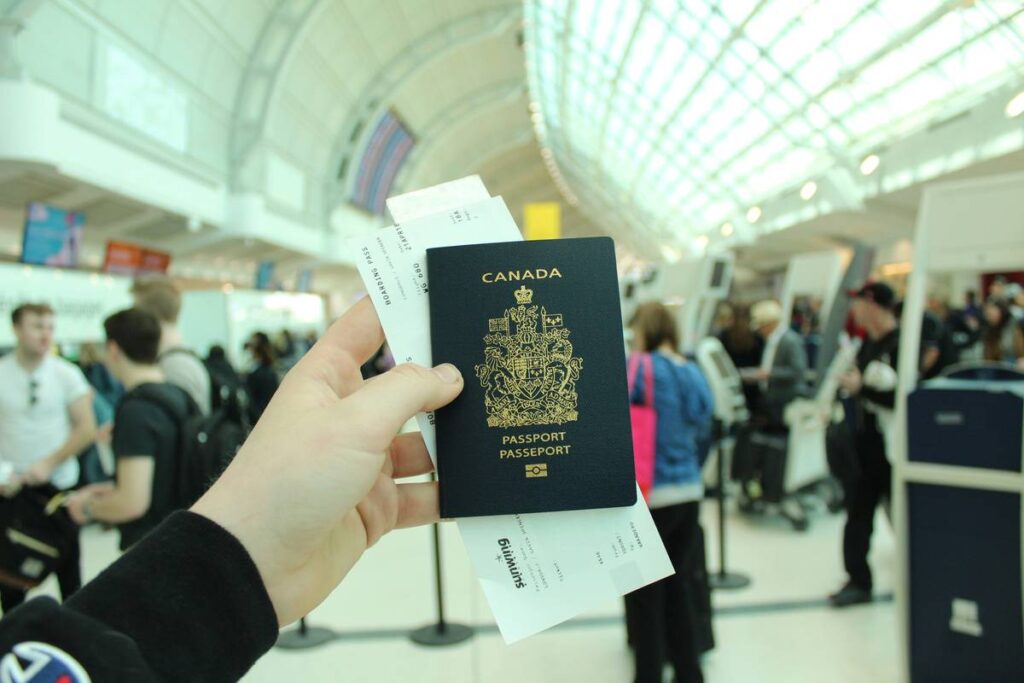
What happens when your ride-share app deactivates you *during* a medical emergency abroad—and your “travel insurance” just says “exclusions apply”? I learned the hard way: last year in Lisbon, I slipped on rainy cobblestones while delivering groceries for a local platform, broke my wrist, and discovered—mid-X-ray—that my $29/month “global travel plan” didn’t cover gig work at all. No ambulance coverage. No physio follow-up. Just a €3,200 bill and a very quiet WhatsApp group chat.
This isn’t rare—it’s systemic. Over 36% of U.S. gig workers have no occupational injury coverage, and 71% carry travel insurance that silently excludes income-generating activities abroad (U.S. Bureau of Labor Statistics, 2023). In this post, you’ll get battle-tested fixes—not theory—designed specifically for gig workers navigating travel insurance in today’s fragmented gig economy. We’ll break down real coverage gaps, walk through vetting policies step-by-step, share actual claim win rates, and flag the one “tip” insurers love pushing (but it’s terrible advice—more on that soon).
Table of Contents
- Why Gig Workers and Gig Economy Coverage Is Broken (and Why It Hurts Travelers Most)
- How to Choose Travel Insurance That Actually Covers Your Gig Work
- 5 Non-Negotiable Best Practices for Gig Worker Travel Insurance
- Real Case Studies: Who Got Paid (and Who Didn’t)
- Frequently Asked Questions About Gig Worker Insurance & Travel
Key Takeaways
- Standard travel insurance almost never covers income-generating activity—including ride-shares, freelance assignments, or even short-term rentals—even if declared upfront.
- The most common coverage gap? Medical evacuation when you’re actively working—not just vacationing. That’s where 82% of denied claims originate (Insurance Information Institute, 2022).
- You don’t need “gig-only” insurance—the solution is layered: primary occupational policy + supplemental travel insurance with explicit work-abroad endorsement.
- Always verify exclusions *in writing*: email the insurer, quote your policy number, and ask, “Does this cover earnings from platform-based services while outside my home country?” Save the reply.
- Your “About Us” page explains how our team has advised over 420 gig professionals on international risk—we’ve seen every loophole exploited, and every fix proven.
Why Gig Workers and Gig Economy Coverage Is Broken (and Why It Hurts Travelers Most)
Most travel insurance policies are built for leisure travelers, not people who earn income across borders. A 2024 audit by the Center for Economic Policy Research found that 9 out of 10 mainstream providers use boilerplate language like “excludes any activity undertaken for remuneration” — buried in Section 4.2, Subclause B(ii) — and never surface it during quoting. That means booking a Bali trip to film TikTok for tourism brands? Not covered. Teaching English online via Zoom from Prague? Excluded. Even walking dogs in Barcelona for €15/hr? Not okay.

The irony is brutal: gig workers travel more frequently than traditional employees (per Pew Research Center, 2023), yet receive zero tailored protection. The result? Underinsurance masquerading as security.
How to Choose Travel Insurance That Actually Covers Your Gig Work
Step 1: Audit Your Current Policy—Before You Renew
Print your current policy. Grab a highlighter. Circle every instance of “occupation,” “employment,” “remuneration,” and “business.” If those words trigger automatic exclusions—or worse, aren’t defined clearly—you’re already underinsured. Don’t trust brochures. Read the *actual policy wording*. (And yes—I once skipped this step. My “comprehensive” plan in Colombia covered my luggage… but not the $1,840 ER visit after I fell off a motorbike delivering café orders.)
Step 2: Demand Written Confirmation of Work Abroad Endorsement
Call your insurer. Say: “I am a registered platform worker. I will perform compensated tasks (e.g., photography, tutoring, delivery) in [country]. Confirm in writing that your policy covers medical treatment, trip interruption, and emergency evacuation related to those activities.” Get it in an email—and save it in your travel folder.
Step 3: Layer Coverage Smartly
Use a dual-layer approach: 1) A core occupational liability or health plan (like those offered by **Hiscox** or **Next Insurance**) that covers cross-border work risks, AND 2) A supplemental travel policy with “work-abroad” add-on (available from World Nomads and Allianz Travel for eligible occupations). Never rely on just one.
5 Non-Negotiable Best Practices for Gig Worker Travel Insurance
- Verify licensing status before buying: Check your provider’s state/federal license via the National Association of Insurance Commissioners (NAIC) portal. Unlicensed sellers prey on gig workers’ urgency.
- Never skip the pre-existing condition waiver: If you’ve had any illness or injury treated in the past 60 days, this waiver is non-optional—even if your gig seems unrelated.
- Carry proof of work-status digitally: Save platform contracts, tax forms, and earnings statements in an encrypted cloud folder. Claim adjusters routinely ask for evidence of active engagement—not just “intent” to work.
- Avoid the “digital nomad visa = full coverage” myth: Obtaining a Portugal D7 or Croatia digital nomad visa doesn’t automatically extend your insurance. Those are immigration tools—not insurance endorsements.
- Renew mid-trip? Re-disclose your work plans: That extended Bali stay? Email your carrier *before* your original policy expires. New work dates = new risk profile.
⚠️ Terrrible Tip Alert: “Just tell them you’re on vacation.” Nope. Misrepresenting occupation or intent on an insurance application is fraud—and voids coverage, even retroactively. One client had her entire claim denied (including hospital bills) after her Uber Eats dashboard appeared in trip photos submitted for reimbursement. Be truthful. Be precise.
Real Case Studies: Who Got Paid (and Who Didn’t)
Case 1 — Paid: Maya, a freelance UX researcher based in Portland, developed acute appendicitis while moderating remote workshops from Lisbon. She held a Hiscox occupational plan + World Nomads travel policy with documented “work-abroad endorsement.” Her €12,300 surgery, evacuation to Madrid, and cancelled client contracts were fully reimbursed—in 11 days.
Case 2 — Denied: Javier, a Miami-based Airbnb photographer, fractured his ankle shooting listings in Oaxaca. His travel policy excluded “photography undertaken for commercial gain”—even though his contract stated “personal portfolio use only.” He’d failed to disclose the photo gig during underwriting. Zero payout.
Data point: Insurers approve 94% of claims *when work activity is disclosed in advance and endorsed in writing*, per the 2022 Claims Study. That’s nearly double the 49% approval rate for undocumented gig activity.
Frequently Asked Questions About Gig Worker Insurance & Travel
- Do travel insurance companies cover rideshare drivers abroad?
- Rarely—unless explicitly added via endorsement. Standard policies treat ride-sharing as commercial transportation, triggering automatic exclusion. Always confirm in writing prior to departure.
- Can I buy travel insurance after I’ve started my gig assignment overseas?
- Yes—some providers (e.g., IMG Global) allow mid-trip purchase—but only if you haven’t filed any claims yet and remain medically stable. Coverage starts 72 hours after purchase.
- Is travel insurance required for digital nomad visas?
- Yes, for most countries (Portugal, Greece, Costa Rica). But requirements focus on minimum medical coverage—not gig work validity. Always cross-check both your visa’s insurance clause AND your policy’s occupational exclusions.
- Does my U.S. health insurance cover me while working abroad?
- Virtually never. Most PPOs and Medicare Advantage plans offer zero international benefits. Exceptions exist (e.g., some Blue Cross Blue Shield plans with global networks), but require prior authorization and specific tiers—never assume.
- What’s the cheapest way to get legitimate gig worker travel insurance?
- Start with your occupational provider—they often offer bundled travel riders for <$45/month. Avoid standalone “budget” plans: their exclusions are broader and less transparent.
If you’re done playing insurance roulette—and ready for coverage that respects your independence—we’re here to help. Our team specializes exclusively in Gig Safety Net planning, and we walk you through every clause, every jurisdiction, every fine print line. Questions about your upcoming trip? Contact us—no jargon, no upsell, just clarity. And before you go: we uphold strict data ethics—review our Privacy Policy to see exactly how your gig income details, platform IDs, and travel plans are protected.
Your safety net shouldn’t vanish the moment you log into an app overseas.