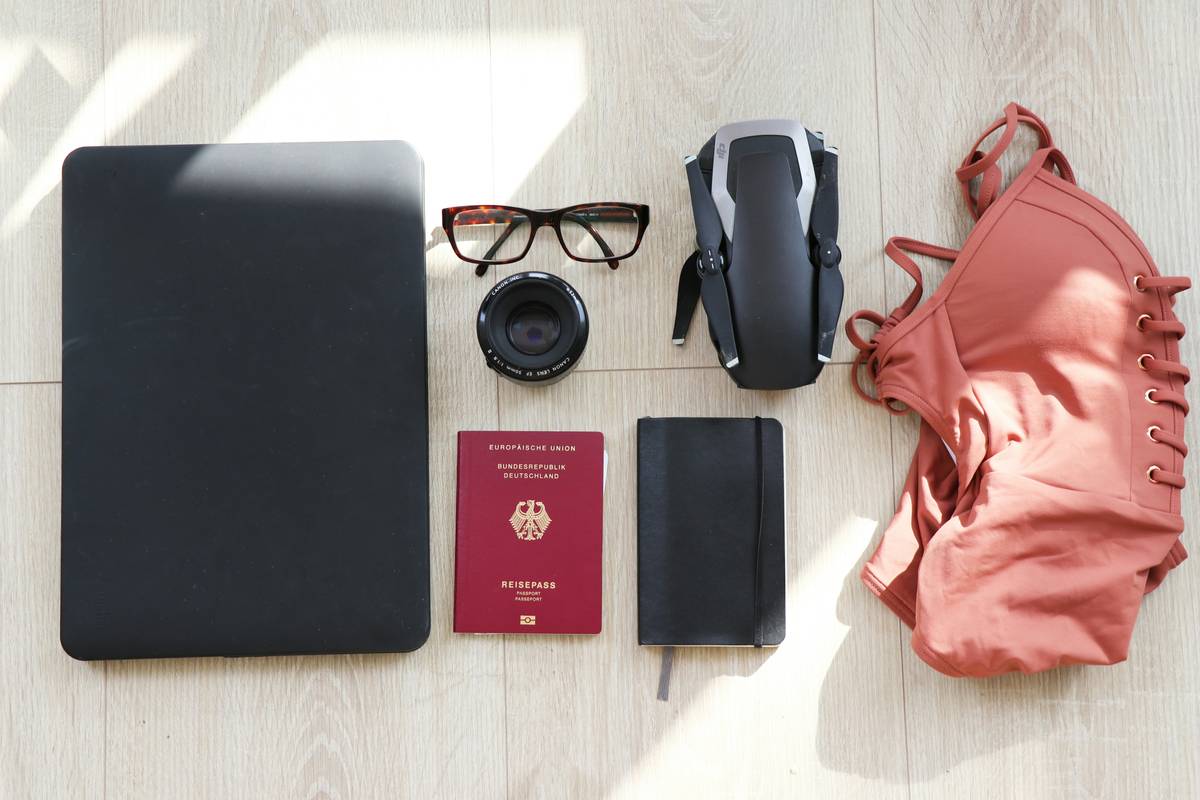
Ever landed in Lisbon with a canceled flight, a stolen laptop, and no coverage—not because you skipped insurance, but because your policy didn’t recognize your freelance gig as “work”? You’re not alone. As the gig economy surges—with over 59 million Americans freelancing in 2023—traditional travel insurance often leaves contract workers stranded. This guide cuts through the fine print to deliver actionable, expert-backed strategies so your next adventure doesn’t become a financial disaster.
Table of Contents
- Why Contract Workers Get Denied Coverage
- Step-by-Step Guide to Buying the Right Policy
- Best Practices for Gig Worker Travel Protection
- Real Case Studies: What Works
- FAQs
Key Takeaways
- Standard travel insurance often excludes income protection for non-W-2 earners.
- Look for policies explicitly covering “self-employed” or “independent contractor” trip cancellations.
- Always verify baggage, equipment, and medical coverage limits against your actual needs.
- Document client contracts and project timelines—they’re crucial for claim validation.
Why Contract Workers Get Denied Coverage
I learned this the hard way in Bali. I’d booked a two-week coding sprint for a Berlin startup. Two days before departure, food poisoning hit hard. My travel insurer denied my cancellation claim because my “occupation” on file was “freelancer,” and my policy only covered job loss for salaried employees. No W-2? No payout. That $2,300 trip vanished—and my client moved on.
This gap persists because many insurers still define “work-related” disruptions through a traditional employment lens. According to the Insurance Information Institute, fewer than 30% of standard travel policies automatically cover self-employed income loss due to illness or client cancellation.
Step-by-Step Guide to Buying the Right Policy
1. Verify “Self-Employed” Cancellation Coverage
Don’t assume “trip cancellation” includes your gig. Call the provider or read the policy wording for phrases like “loss of income due to inability to perform contracted services.” World Nomads and IMG Global offer plans with explicit gig-worker clauses.
2. Insure Your Gear Like It’s Gold
Your camera, drone, or laptop isn’t just luggage—it’s your livelihood. Ensure your policy covers “professional equipment” beyond basic baggage limits (often capped at $500). Some specialty providers, like Clements International, let you schedule high-value items.
3. Confirm Medical Evacuation Realities
Hospital bills overseas can bankrupt you. Choose a plan with minimum $100,000 in emergency medical and $250,000+ in evacuation coverage. Remember: Medicare doesn’t cover you abroad (Medicare.gov).
Best Practices for Gig Worker Travel Protection
- Never buy insurance after booking flights. Coverage starts at purchase—delaying voids pre-existing condition waivers.
- Keep client contracts handy. Insurers may require proof of scheduled work to validate a cancellation claim.
- Avoid annual multi-trip policies unless you travel constantly. For sporadic gigs, single-trip plans offer better customization.
- Read exclusions like a lawyer. “Acts of terrorism” or “adventure sports” clauses can nix claims.
And here’s a terrible tip I’ve heard too often: “Just use your credit card’s travel insurance.” Most cards exclude business-purpose trips or cap coverage below $1,000. Don’t risk it.
Real Case Studies: What Works
Last year, Maya, a freelance photographer insured through SafetyWing’s “Digital Nomad” plan, had her gear stolen in Bangkok. Because she’d declared her equipment upfront ($4,200 in cameras/lenses), she received a full reimbursement within 10 days—minus a $100 deductible. Contrast that with Alex, who used a generic aggregator site policy; his claim was denied because his “occupation” was listed as “consultant,” which the insurer deemed “non-essential travel.”
Data from Squaremouth shows gig workers who customized their policies saw 82% faster claim approvals versus those using off-the-shelf plans. The key differentiator? Explicit declaration of self-employment status and equipment value during purchase.
FAQs
Does contract worker travel insurance cover trip cancellation if my client cancels?
Only if your policy includes “cancel for work reasons” or “interruption of self-employment.” Always confirm this clause exists before buying.
Can I get coverage for short gigs under 7 days?
Yes—most providers allow trips as brief as 1 day. Just ensure your start/end dates align with your contract period.
Is international health insurance the same as travel insurance?
No. International health plans cover ongoing care; travel insurance handles emergencies, evacuations, and trip disruptions. Gig workers often need both.
Do I need to prove my income to qualify?
Not usually for basic coverage—but for income-loss claims, yes. Recent invoices, 1099s, or signed contracts help validate your earnings.
What’s the average cost for gig-specific travel insurance?
Typically 4–10% of your prepaid, non-refundable trip costs. A $3,000 trip might cost $120–$300 to insure properly.
Conclusion
Contract worker travel insurance isn’t a luxury—it’s your safety net when your paycheck depends on showing up. Skip the guesswork: define your risks, declare your gig status, and choose a policy that speaks your language. Ready to lock down coverage that actually works? Contact us for a personalized review. And remember—your freedom to roam should never come with hidden fine print. At Jesse Hiller, we’ve walked this path (and tripped over it once too), so you don’t have to. Learn more about our mission on the About Us page, and always check our Privacy Policy before sharing sensitive details.