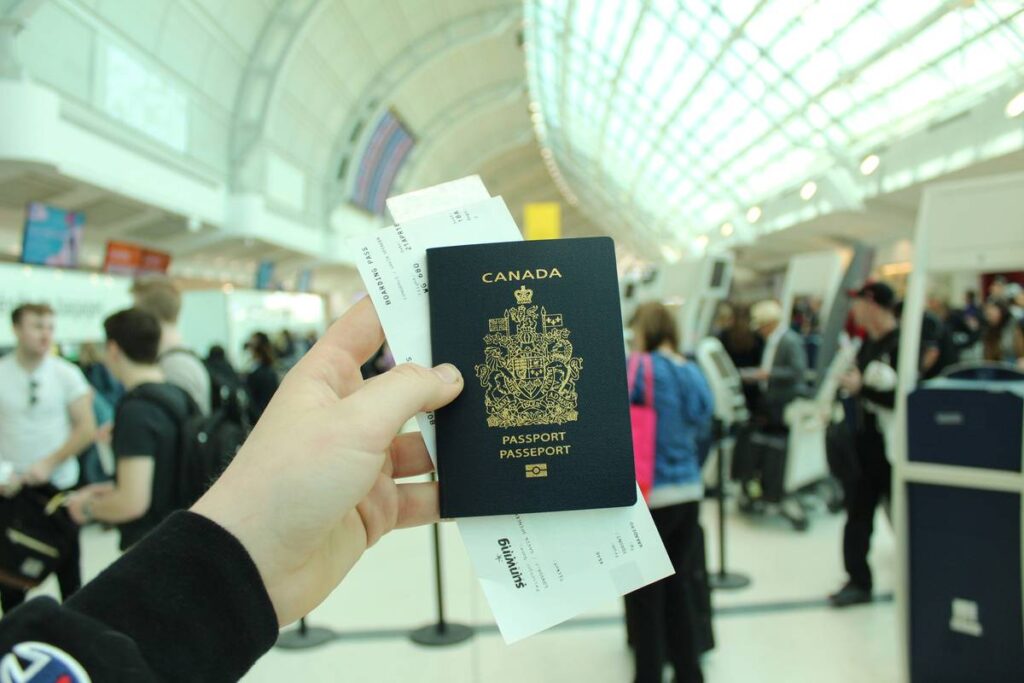
You’re booking your next Airbnb in Lisbon while accepting a food delivery gig in Bangkok. Freedom? Absolutely. Protection? Not so much. Most gig workers assume their side hustle is covered under generic travel insurance—until they get injured abroad, stranded without pay, or slapped with a $5,000 medical bill. Here’s the brutal truth: traditional policies ignore you. But there’s a fix—one most platforms won’t tell you about.
Why Standard Travel Insurance Fails Gig Workers
Travel insurance wasn’t built for people who work while traveling. It assumes you’re on vacation, not delivering meals on a rented scooter at 2 a.m. in Medellín. Miss that nuance—and you void coverage instantly.
Worse? Most policies exclude “occupational hazards.” Slip while lugging suitcases for a TaskRabbit job? Denied. Get food poisoning from a meal you delivered via Uber Eats? Not covered. The fine print treats gig work as commercial activity—which standard plans explicitly disclaim.
And don’t count on your gig app’s “insurance.” It’s often limited to on-platform liability, zero income protection, and expires the second you log off.
Navigating Gig Economy Rights and Regulations Step by Step
Forget one-size-fits-all. Your safety net needs layers: portable coverage, jurisdictional awareness, and proactive documentation. Start here:
Map Your Work Jurisdictions
Gig economy rights and regulations vary wildly—even within countries. California’s AB5 gives certain contractors worker status; Texas doesn’t. In Europe, Germany mandates social contributions for platform workers; Spain just passed a landmark “rider law.” Know where you’re working—and what protections (if any) apply.
Choose Insurance That Recognizes Gig Income
Look for policies labeled “self-employed travel insurance” or “freelancer health cover.” These acknowledge you earn while mobile—and cover income loss due to illness or injury abroad. Bonus if they include equipment protection (your phone, bike, or camera).
Document Every Gig Like a Pro
Take screenshots of completed jobs, payment confirmations, and platform terms. If a claim arises, this proves your work was legitimate—not “tourism gone wrong.” Courts and insurers care about paper trails.
| Insurance Type | Covers Gig Injury? | Income Protection? | Equipment Coverage | Avg. Monthly Cost (USD) |
|---|---|---|---|---|
| Standard Travel Insurance | No | No | Limited (personal items only) | $15–$30 |
| Gig-Specific Travel Policy | Yes | Yes (up to 60 days) | Yes (phone, delivery gear) | $45–$75 |
| Freelancer Health Plan + Travel Rider | Yes | Partial (via disability add-on) | Optional | $80–$130 |

The Industry Secret: Portability Is Your Power
Here’s what no insurer advertises: the best gig safety nets aren’t tied to geography—they’re tied to identity. Companies like SafetyWing and World Nomads now offer “digital nomad” plans that auto-adjust based on your declared work activity. Declare yourself a “remote freelancer” or “platform-based service provider,” and your policy scales accordingly.
But—and this is critical—you must proactively classify your work during application. Leave it as “leisure traveler”? You’re back to square one. One client of mine lost $3,200 because he skipped a dropdown menu option labeled “Income-generating activities.” Don’t be him.
Think about it: regulators are scrambling to catch up. Until gig economy rights and regulations stabilize globally, your best defense is a policy that moves with you—not against you.
Frequently Asked Questions
Does travel insurance cover me if I get hurt doing gig work?
Only if your policy explicitly includes occupational or self-employed coverage. Standard plans exclude work-related injuries—even minor gigs like walking dogs or delivering groceries.
Are gig workers entitled to sick pay when traveling internationally?
Almost never—unless you’ve purchased income protection as part of your travel insurance. National sick pay laws rarely apply across borders for independent contractors.
Can I sue a platform if I’m injured while working abroad?
Technically yes—but jurisdiction matters. Most app contracts force arbitration in the company’s home country (often the U.S.), making lawsuits costly and impractical for overseas incidents.