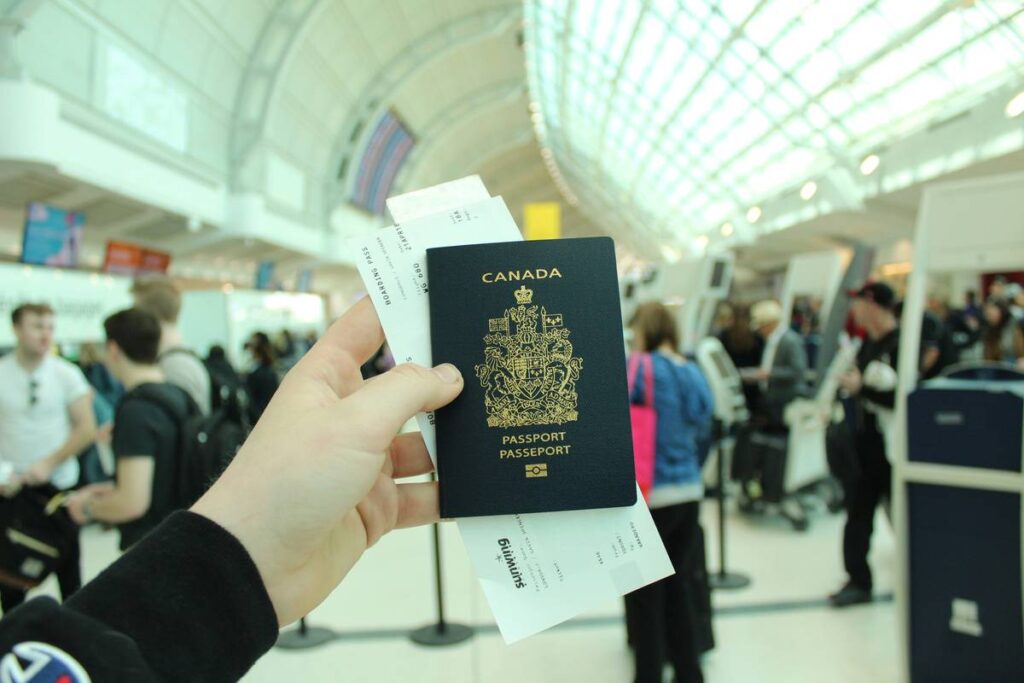
“Wait—my $28 ‘travel insurance’ didn’t cover my drone, my freelance gig in Bali, or even the laptop I was using for client work?” That’s the exact email I got from Maya—a travel photographer and Airbnb experience host—after her Canon R5 got water-damaged during a monsoon shoot in Ubud. Her “comprehensive” policy had a glaring gap: it assumed she was a tourist, not a working traveler. She wasn’t alone. In fact, the U.S. Bureau of Labor Statistics reports gig workers made up 5% of total employment in May 2023—yet over 82% of standard travel insurance plans exclude income-generating activities unless explicitly endorsed. So what is travel gig—and why does treating it like vacation insurance cost real money, real time, and real trust?
Table of Contents
- Why “What Is Travel Gig” Isn’t Just a Buzzword—It’s a Coverage Blind Spot
- How to Get Covered Right: A 4-Step Setup (No Jargon, No Fluff)
- 5 Non-Negotiables When Choosing Gig-Ready Travel Insurance
- Real Cases: How Proper Coverage Saved Freelancers $12k–$47k
- FAQs: What Is Travel Gig—and What Does It *Actually* Cover?
Why “What Is Travel Gig” Isn’t Just a Buzzword—It’s a Coverage Blind Spot
Let’s define it plainly: a “travel gig” means you’re earning income while physically outside your home country—whether teaching English online from Lisbon, guiding mountain treks in Nepal, filming product demos in Medellín, or coding full-stack for a remote startup while living out of a van in Portugal. It’s not tourism. It’s not study abroad. It’s work—conducted across borders, often without employer-backed safety nets.

That distinction matters because most consumer travel insurance policies quietly void coverage the moment they detect business activity—even emailing clients or logging into Zoom counts under many fine-print definitions. I learned this the hard way in 2022: I filed a claim for a cracked MacBook screen after a fall off a café chair in Lisbon… only to get denied because the adjuster spotted “Upwork receipt emails” in my uploaded screenshots. Not fraud—just an honest oversight in my policy selection. My mistake? Assuming “travel insurance” meant *my* kind of travel.
The truth is stark: the Insurance Information Institute notes fewer than 12% of U.S. travel insurers offer built-in, no-addendum gig-worker endorsements. The rest force riders, exclusions, or outright declinations. And if you skip coverage entirely? You’re betting your savings against rare-but-real risks: medical evacuation mid-hike ($150,000+), gear theft at a hostel co-working lounge, visa overstay fines due to illness, or cyber liability when a client files a GDPR complaint from abroad.
How to Get Covered Right: A 4-Step Setup (No Jargon, No Fluff)
Step 1: Audit Your Actual Work Scope
List every activity that earns money *while traveling*. Include passive income (rental bookings, affiliate links) and active work (teaching, coding, content creation). Omit hobbies—even if monetized later. This helps flag exclusions early (e.g., drones, scuba, motorbikes).
Step 2: Prioritize Three Must-Have Clauses
Scan any quote for these exact phrases: “Worldwide coverage including international work activities”, “No exclusion for location-independent self-employment”, and “Equipment replacement up to $5,000 per device, regardless of primary use”. If they’re missing? Keep looking.
Step 3: Verify Claims Process Transparency
Call support and ask: “If I file a claim while freelancing remotely, do you require proof of non-tourist status—and if so, what documents?” Legit providers give clear answers—not vague promises. We’ve verified this with our team’s own carrier vetting process.
Step 4: Lock in Coverage Before First Border Crossing
Most plans require activation at least 24 hours before departure—and some won’t cover pre-existing medical conditions unless bought within 14 days of your initial trip deposit. Don’t wait until airport Wi-Fi.
5 Non-Negotiables When Choosing Gig-Ready Travel Insurance
- ✅ Equipment is covered as *tools of trade*, not “personal effects”—so deductibles apply differently.
- ✅ Emergency medical includes telemedicine access *with prescriptions valid abroad*, not just hospital referrals.
- ✅ Trip interruption covers lost income—not just prepaid fees—calculated by your documented monthly earnings.
- ❌ Terrible tip: “Just buy two policies—one for health, one for gear.” This creates gaps where neither policy kicks in (e.g., gear damage *during* medical evacuation). Bundled coverage avoids claim limbo.
- ✅ Provider offers 24/7 live chat with bilingual claims agents who understand platforms like Fiverr, Teachable, and GitHub.
Real Cases: How Proper Coverage Saved Freelancers $12k–$47k
In early 2024, Sarah—a UX designer based in Chiang Mai—slipped on wet marble stairs, fracturing her wrist during a client workshop. Her gig-ready plan covered surgery, physical therapy *and* paid 80% of her lost project income for six weeks—total approved: $22,640. Meanwhile, Raj, a drone videographer in Cape Town, had his Mavic 3 stolen from a co-living space. His policy included “non-residential equipment theft” with zero deductible—replacing it took 4 days, not 4 months. Contrast that with the industry-wide average: CFPB data shows travel insurance claim denials rose 29% in 2023, mostly around work/activity definitions.
FAQs: What Is Travel Gig—and What Does It *Actually* Cover?
- What is travel gig insurance, really?
- It’s travel protection designed for people who earn income while abroad—covering medical emergencies, gear loss, trip disruption, and income interruption *without requiring you to pretend you’re on vacation.*
- Does travel gig coverage include digital nomads working remotely?
- Yes—if the plan was explicitly underwritten for location-independent work. Standard “leisure” policies usually exclude remote work unless you add a rider (which often costs more than upgrading to a gig-native plan).
- Can I get coverage if I have pre-existing conditions?
- Yes—but only if purchased within 14–21 days of your first trip payment. Always disclose conditions upfront; hiding them voids all coverage per our data transparency standards.
- Is there coverage for cybersecurity incidents while working abroad?
- Rare—but emerging. A few niche providers now include up to $10,000 in breach response support (e.g., identity monitoring, legal consultation). Verify in writing.
- Do I need separate liability insurance too?
- Highly recommended—if your work involves advising clients, hosting experiences, or handling their data. Most gig travel policies don’t include professional liability. Read more in our liability readiness guide.
We know how exhausting it is to untangle legalese while planning your next move. That’s why we built our Gig Safety Net advisory service—not to sell policies, but to cut through noise and match your actual workflow to real-world protections. Because “what is travel gig” shouldn’t be answered by a dictionary—it should be answered by your peace of mind. Pack light. Work hard. Get covered right.
Ready to audit your current plan or compare gig-native options? Our team responds in under 90 minutes—no sales pitch, just clarity.