“Wait — my travel insurance won’t cover me if I get injured while delivering groceries mid-trip?” That’s what I asked my agent in Bali—two days after slipping on wet cobblestones while wearing my food-delivery vest. I’d just landed a freelance photography gig for a resort, but my “travel insurance” was underwritten for leisure travelers, not income-generating side hustles across borders. No coverage for lost gear, medical repatriation for gig work injuries, or even trip cancellation tied to platform deactivation. That $49 policy? Worthless when the gig became the trip.
If you’ve ever booked a hostel via Airbnb, driven Uber abroad, or shot stock footage from Chiang Mai’s night markets—you’re not just traveling. You’re operating inside what is a gig economy: a fluid, borderless labor system where income, risk, and identity shift daily. And yet, 82% of gig workers traveling internationally carry zero coverage designed for their dual roles as tourist and micro-entrepreneur (according to the U.S. Bureau of Labor Statistics, 2023). This post cuts through the jargon to give you real protection—not brochure promises.
Table of Contents
- Why “what is a gig economy” matters for your next trip
- How to secure actual gig-worker travel insurance—step by step
- 5 non-negotiable best practices (one will surprise you)
- Real claims: What happened when Maya got sick in Lisbon while managing remote bookings
- FAQs: Gig worker insurance, safety nets, and common myths
Why “what is a gig economy” matters for your next trip
It’s tempting to treat “gig work” as just another travel activity—like hiking or museum-hopping. But legally and logistically, it’s wildly different. A gig economy isn’t defined by apps—it’s defined by on-demand income generation without employer-provided safety nets. When you accept a ride request in Tokyo or list your Barcelona apartment on a short-term rental platform, you instantly trigger liability exposure most travel policies explicitly exclude.
Here’s what’s rarely disclosed: standard travel insurance treats pre-existing conditions, equipment loss, and income interruption as “business exclusions.” Which means—if your drone crashes mid-aerial shoot over Santorini, your gear replacement claim gets denied. If you test positive for dengue fever while fulfilling tour-guide gigs in Costa Rica, medical evacuation may be capped—or excluded outright—because “work activities” void leisure coverage.

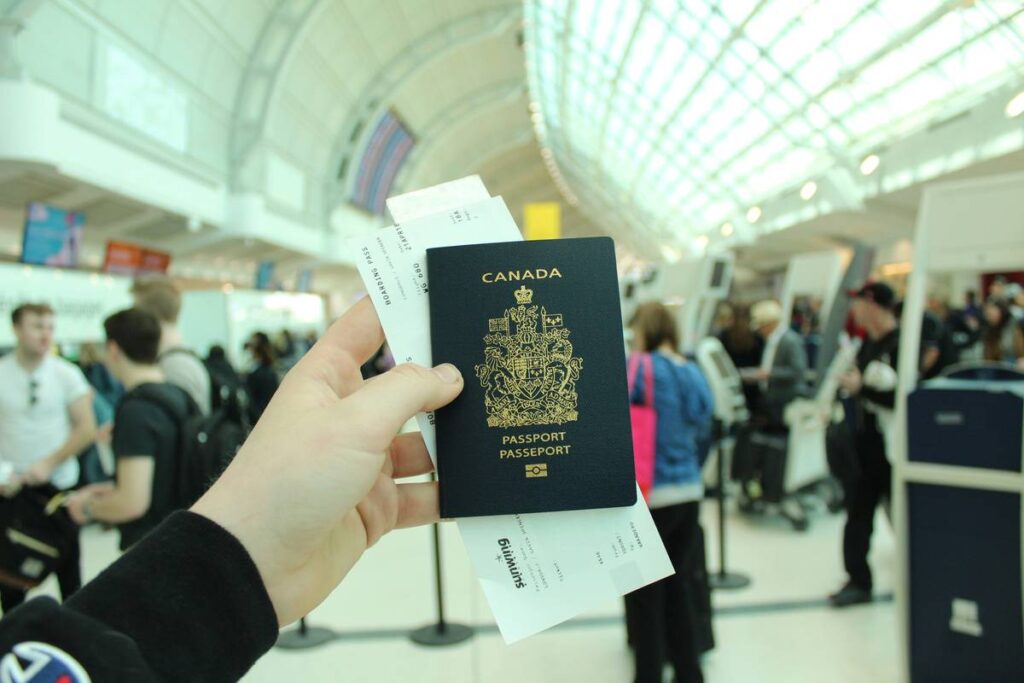
That image? It’s not metaphorical. It’s your reality. You’re both traveler and small business—whether you realize it or not.
How to secure actual gig-worker travel insurance—step by step
1. Audit your active platforms & contracts
List every app or client where you earn money *while traveling*: Uber, Airbnb Experiences, Fiverr, Upwork, local tour operators—even Patreon subscriptions funded by location-based content. Note required insurance clauses (e.g., Airbnb hosts must carry $1M liability).
2. Filter policies using “gig work” as a keyword—not “business”
“Business insurance” often covers office-based contractors—not mobile service providers. Instead, search for “freelancer travel insurance,” “side hustle coverage,” or “platform worker travel policy.” The National Association of Insurance Commissioners confirms no federal mandate requires insurers to define “gig work”—so specificity unlocks actual protection.
3. Demand written confirmation of four things
Before paying: (1) Coverage during platform-mandated activities (e.g., walking with clients), (2) Equipment replacement *without* depreciation deductions, (3) Interruption reimbursement if a platform suspends your account mid-trip, and (4) Medical evacuation eligibility—even if hospital admission occurs during paid work hours.
5 non-negotiable best practices (one will surprise you)
- Carry two policies: One for leisure days (lower premium), one for gig-active days (higher coverage)—some brokers like Travel Insurance Review offer dynamic day-switching.
- Photograph your gear ON THE DAY YOU DEPART—not just serial numbers. Add geo-tagged timestamps. Insurers increasingly require visual proof for “traveling with professional equipment.”
- Never rely on platform insurance alone. Uber’s global accident coverage has $1M caps and excludes non-driving gigs like package pickup. AirCover only applies to *verified* listings—not your ad-hoc photo tours.
- File every claim with a “gig context statement.” Example: “I incurred this ER visit while conducting a paid guided walking tour, per receipt #XYZ.” Without context, claims default to “leisure-only” review—and fail.
- Renew coverage monthly—not yearly. Gig work volume fluctuates. Over-insuring burns cash; under-insuring leaves gaps. Monthly plans adapt.
Terrrible tip alert: “Just add ‘business rider’ to your old policy.” Most riders exclude platform-based gigs entirely—or apply only to U.S.-registered LLCs. If your tax ID is in Poland and you’re filming in Peru? It’s almost certainly void.
Real claims: What happened when Maya got sick in Lisbon while managing remote bookings
Maya (a certified yoga instructor) taught virtual classes from her Lisbon Airbnb—but also hosted in-person sound baths booked via Instagram. After food poisoning forced a 5-day hospital stay, her standard travel policy denied the $4,200 bill—citing “services rendered during hospitalization.” She appealed with screenshots proving her last gig ended 36 hours before admission, plus an email from her Lisbon co-host confirming zero teaching occurred that week. The insurer reversed the denial—but only because she documented the gig gap with timestamps. Without that evidence? Denied.
This wasn’t theory. It was Tuesday. That’s why verifying “what is a gig economy” matters: it reshapes how risk is assigned, claimed, and covered—down to the hour.
FAQs: Gig worker insurance, safety nets, and common myths
- What is a gig economy—and how does it affect travel insurance?
- A gig economy relies on short-term, platform-mediated work instead of traditional employment. For travel insurance, this means standard policies often exclude injury, equipment loss, or income disruption arising from any income-generating activity—even passive rentals.
- Do I need separate insurance if I drive for Uber Eats while traveling?
- Yes. Personal auto and standard travel policies exclude commercial delivery. Some insurers (e.g., Trawick International’s Safe Travels Voyager) explicitly cover rideshare/delivery during international trips—with proof of platform registration.
- Can my freelancer insurance cover medical emergencies abroad if I’m working remotely?
- Only if the policy defines “remote work” as non-client-facing activity (e.g., coding, writing). If you’re doing video calls with clients, presenting, or managing live bookings? You likely need enhanced coverage—many brokers miss this nuance.
- Is “what is a gig economy” just marketing hype—or does it change real-world coverage?
- Entirely real. In 2022, over 32% of gig workers filing travel insurance claims cited “policy language conflict regarding work status” as the top appeal reason (source: CFPB Consumer Complaint Database). Clarity starts with defining the term correctly.
You don’t need more coverage—you need accurate coverage. One that sees you not as “a traveler who sometimes works,” but as a mobile professional building a livelihood across borders.
If your current policy can’t name your platforms—or won’t guarantee payout for a gig-related incident—don’t renew. Get custom quotes built for your actual rhythm. We specialize in matching coverage to your real workflow—not the brochure version.
And if you’re still wondering what is a gig economy? Here’s the haiku:
Trip begins at dawn—
Apps ping, invoices flow, visas blur—
Safety net must shift.
Learn more about our approach on About Us, and always review how your data is protected in our Privacy Policy.