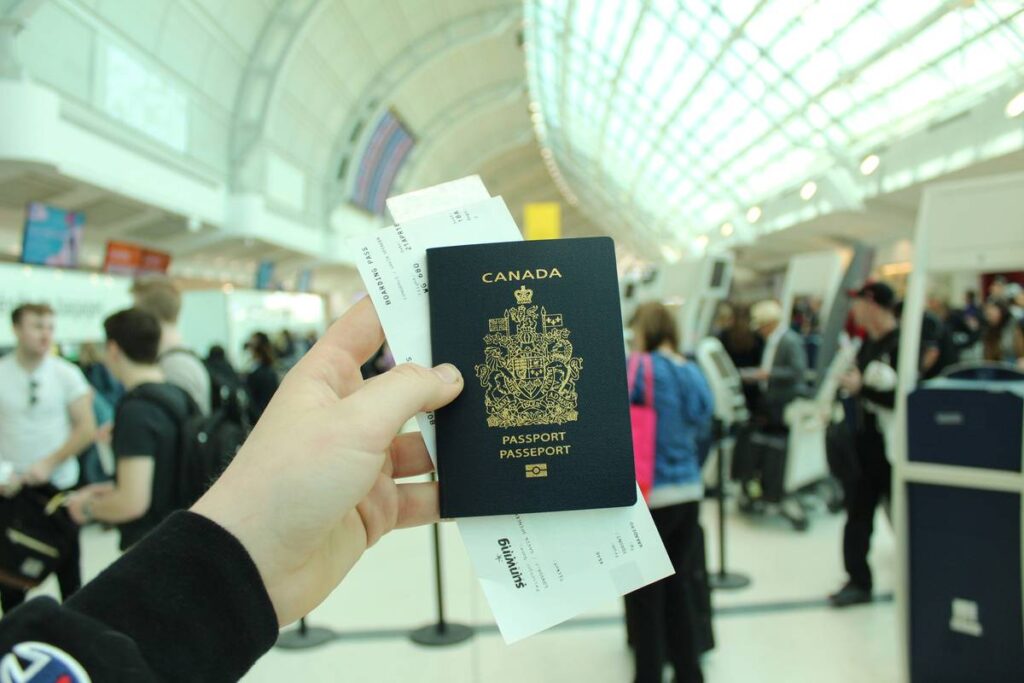
If you’ve ever taken a last-minute gig overseas—delivering food in Lisbon, guiding tours in Bali, or freelancing from a beach café in Tulum—you know the freedom is intoxicating. But what happens when your phone gets stolen on day two, or you twist your ankle chasing that sunset photo? I learned this the hard way during a three-week scooter trip across Vietnam. No travel insurance. No backup plan. Just me, $800 in lost gear, and a very painful walk back to my hostel. That’s why understanding the benefits of gig economy isn’t just about flexibility—it’s about building a safety net that actually works when you’re living on the move.
Table of Contents
- Why Travel Insurance Matters for Gig Workers
- Step-by-Step Guide to Choosing the Right Coverage
- Best Practices for Gig Worker Protection
- Real-World Case Studies
- Frequently Asked Questions
Key Takeaways
- The benefits of gig economy include location independence—but only if you’re protected abroad.
- Standard travel insurance often excludes “work-related” activities; gig workers need specialized policies.
- Always verify if your policy covers equipment loss, medical evacuation, and income interruption.
- Compare providers using real-time traveler reviews and government-backed resources like the U.S. Department of State’s travel advisories.
Why Travel Insurance Matters for Gig Workers
The myth that “I’m just traveling while working remotely” puts thousands of gig workers at risk each year. Unlike traditional employees with corporate travel benefits, gig workers shoulder 100% of their risk—medical emergencies, gear theft, trip cancellations, even legal issues tied to local work regulations. According to a 2023 report by the Freelancers Union, 62% of independent workers experienced an unexpected financial loss while traveling for gigs, with nearly half citing lack of proper insurance as the core issue.
Step-by-Step Guide to Choosing the Right Coverage
Step 1: Confirm Your Activities Are Covered
Many standard policies void coverage if you’re “engaged in employment.” Look for plans explicitly listing freelance, remote, or gig work as permitted. World Nomads and SafetyWing are two insurers that cater specifically to this crowd.
Step 2: Insure Your Tools of the Trade
Your camera, drone, or laptop isn’t just expensive—it’s your livelihood. Ensure your policy includes personal equipment coverage (often capped at $1,500–$3,000). Read the fine print: accidental damage vs. theft may have different terms.
Step 3: Check Medical & Evacuation Limits
A hospital stay in Thailand can cost $2,000–$5,000. Choose a plan with minimum $100,000 medical coverage and emergency evacuation included. The U.S. Department of State provides updated country-specific health risk data at travel.state.gov.
Best Practices for Gig Worker Protection
- Never assume your credit card’s travel insurance suffices. Most exclude business activity and have low coverage limits.
- Bundle annual multi-trip plans if you travel more than 45 days per year—they’re often cheaper per day.
- Update your insurer if your itinerary changes significantly (e.g., adding adventure sports).
- Keep digital and physical copies of your policy, plus emergency contacts. Cloud storage saved me after my phone died in Hanoi.
And here’s a terrible tip I almost followed: “Just don’t file a claim—it’s too much paperwork.” Wrong. Reputable insurers process claims in under 10 days. Delaying only hurts you.
Real-World Case Studies
In 2024, Maya R., a freelance photographer, had her $4,200 camera kit stolen during a gig in Morocco. Her standard travel policy denied the claim, citing “professional equipment use.” Switching to a gig-friendly provider the next year saved her $2,800 when she sprained her wrist cliff-diving in Greece—covered under accident + income protection.
Similarly, the International Labour Organization notes that countries like Portugal and Mexico now require proof of health coverage for digital nomad visa applicants—a trend accelerating globally. Ignoring insurance isn’t just risky; it can block entry.
Frequently Asked Questions
Does travel insurance cover gig work income loss?
Some specialized plans do—typically under “trip interruption” or “personal liability” clauses. Always confirm this before purchasing.
Is gig worker insurance tax-deductible?
In many countries, yes. The IRS allows self-employed individuals to deduct premiums as a business expense—see IRS Publication 535. Consult a tax pro, though.
Can I get coverage if I’m already abroad?
Yes. Providers like SafetyWing offer “start anytime” policies, though pre-existing conditions may be excluded.
What’s the biggest mistake gig travelers make?
Assuming “I’m not doing anything dangerous.” Pickpocketing, food poisoning, and transport delays are far more common than extreme sports injuries—and just as costly.
The benefits of gig economy shine brightest when you’re free from fear—not just geography. At Jesse Hiller, we’ve walked this path: coding from hostels, negotiating with foreign hospitals, learning which policies hold up when it counts. If you’re building your own gig safety net, start with one smart conversation. Contact us—we’ll help you navigate coverage without the jargon. And remember: your passport may grant you entry, but only good insurance grants you peace of mind. For details on how we handle your data, see our Privacy Policy.
Wheels roll, Wi-Fi fades,
Gigs come and go like monsoon rains.
Insure your hustle.