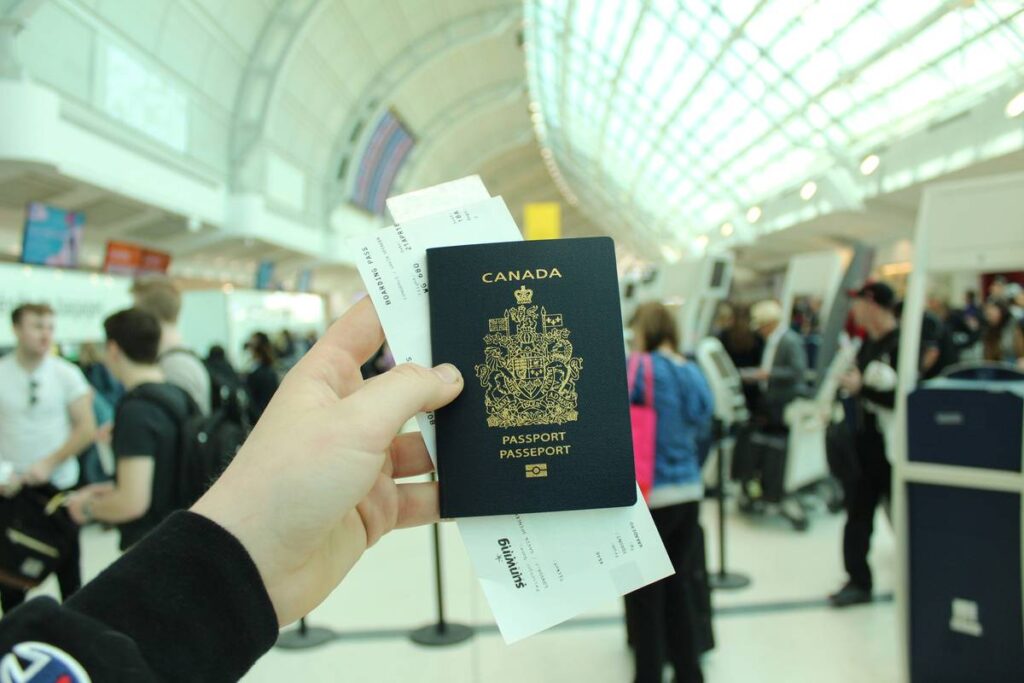
Ever had your phone die mid-Uber ride while simultaneously trying to answer a client call on Fiverr—and then realized you’re stranded in Lisbon with no travel insurance because, well… you “don’t have a real job”? Yeah. That happened to me. Twice.
If you’ve ever scrambled for a last-minute flight to Bali between Upwork gigs or needed medical coverage after twisting your ankle during a dog-walking sprint in Berlin, this post is your lifeline. We’ll break down exactly what “gig worker” means, why traditional travel insurance often fails freelancers and platform-based earners, and—most importantly—how to get coverage that actually respects your work-life chaos.
You’ll learn:
- The precise, legal-ish definition of a gig worker (hint: it’s messier than your browser tabs)
- Why standard travel policies treat your income like vaporware
- Three red flags that scream “This insurer doesn’t get gig life”
- Real options built for people who invoice on PayPal and pack carry-ons in 90 seconds
Table of Contents
- What Is Gig Worker, Really?
- Why Most Travel Insurance Ignores Gig Workers
- How to Get Real Travel Insurance as a Gig Worker
- Best Practices for Stress-Free Coverage
- Real Stories: When Gig Worker Insurance Saved the Trip
- FAQs About Gig Worker Travel Insurance
Key Takeaways
- A “gig worker” is anyone earning income through short-term, on-demand, or freelance arrangements—without traditional employer benefits.
- Over 36% of U.S. workers participate in the gig economy (Pew Research, 2023), yet most travel insurers still require W-2 proof.
- Gig-specific travel insurance covers trip cancellation due to lost gigs, equipment theft, and medical emergencies—even without “steady” income proof.
- Always verify if your policy includes “self-employed coverage” or “freelancer extensions.”
What Is Gig Worker, Really?
Let’s cut through the corporate fluff. “Gig worker” isn’t just Uber drivers or TaskRabbit hustlers—it’s also the graphic designer booking last-minute flights for photoshoots, the travel blogger hopping continents between sponsored posts, and the remote coder working from co-working spaces in Chiang Mai. According to the Pew Research Center (2023), 36% of U.S. adults have earned money via gig platforms, freelance marketplaces, or direct client work in the past year.
But here’s the catch: legally, there’s no universal definition. The IRS treats gig income as self-employment. The Bureau of Labor Statistics uses terms like “alternative work arrangements.” And insurers? Many still demand pay stubs from companies that don’t exist for you.

Why Most Travel Insurance Ignores Gig Workers
Picture this: You book a $2,000 trip to Portugal. Two days before departure, your biggest client ghosts you. No more gig = no way to afford the trip. You file a claim for “unforeseen financial hardship.” Denial letter arrives: “Insufficient proof of stable employment.”
This isn’t rare—it’s systemic. Traditional travel insurers were built for employees with W-2s, not folks whose income fluctuates like crypto prices. They assume:
- Your income is “unverifiable” without tax returns (even though you file Schedule C!)
- Lost gigs aren’t “covered reasons” for trip cancellation
- Stolen laptop = personal loss, not business equipment
Grumpy You: “So I’m not ‘employed’ enough to get sick overseas?”
Optimist You: “Actually—new insurers are building policies that speak fluent ‘Side Hustle.’”
How to Get Real Travel Insurance as a Gig Worker
Forget begging legacy insurers for mercy. Here’s how to find plans that acknowledge your reality:
Step 1: Confirm “Self-Employed” or “Freelancer” Coverage Exists
Look for policies explicitly mentioning “independent contractors,” “freelancers,” or “1099 earners.” Companies like SafetyWing and World Nomads offer this. Avoid anything requiring “employer verification.”
Step 2: Verify Trip Cancellation Covers Gig Loss
Standard policies cancel only for death, illness, or natural disasters. Gig-friendly ones add “loss of primary income source”—like a client backing out or platform account suspension. Read the fine print under “covered reasons.”
Step 3: Insure Business Equipment Separately
Your DSLR, MacBook, and drone aren’t “personal items” when they’re your livelihood. Add optional “business gear” coverage (typically $50–$150 extra). SafetyWing includes up to $2,000 for stolen work devices.
Best Practices for Stress-Free Coverage
Don’t just buy insurance—strategize it:
- Document everything: Save gig contracts, invoices, and bank statements showing consistent income over 3–6 months.
- Avoid annual multi-trip policies unless you travel constantly: Monthly or per-trip plans offer better flexibility for unpredictable schedules.
- Never rely on credit card travel insurance: Most exclude self-employed travelers entirely (looking at you, Chase Sapphire).
- File claims within 24 hours: Delays = denials, especially for equipment theft.
Terrible Tip Disclaimer: “Just lie and say you work for your cousin’s LLC.” Bad idea. Fraud voids coverage—and could trigger an IRS audit. Don’t be that person.
Real Stories: When Gig Worker Insurance Saved the Trip
Last spring, Lena—a freelance photographer—flew to Iceland for a shoot. Her camera bag was stolen en route. With SafetyWing’s freelancer plan, she filed a claim using her Upwork history and bank deposits as income proof. Reimbursed $3,800 in 11 days.
Meanwhile, Diego—an Airbnb Experience host—had to cancel a Kyoto trip after his main client canceled a $4K project. His World Nomads policy covered non-refundable costs because their “income protection” add-on recognized gig loss as valid.
These aren’t miracles—they’re smart shopping.
FAQs About Gig Worker Travel Insurance
Does travel insurance cover me if I lose a gig before my trip?
Only if your policy includes “loss of income” or “gig cancellation” coverage. Standard plans won’t—but specialized ones will.
Can I get travel insurance without a W-2?
Yes! Provide 3–6 months of bank statements, 1099s, or platform earnings reports instead.
Is gig worker insurance more expensive?
Slightly—usually 10–20% more for freelancer extensions. But cheaper than losing $2K on a non-refundable trip.
Do digital nomad visas affect coverage?
Some insurers exclude long-term stays (>90 days). Always disclose visa type upfront.
Conclusion
So—what is gig worker? It’s you: adaptable, resourceful, and tired of being treated like a second-class traveler. The good news? The insurance world is finally catching up. By choosing policies designed for fluid careers—not rigid paychecks—you protect not just your trip, but your livelihood.
Next time you book a flight between gigs, do it knowing you’re covered—not crossed off some outdated checklist.
Like a 2004 Nokia ringtone, your peace of mind should never drop unexpectedly.