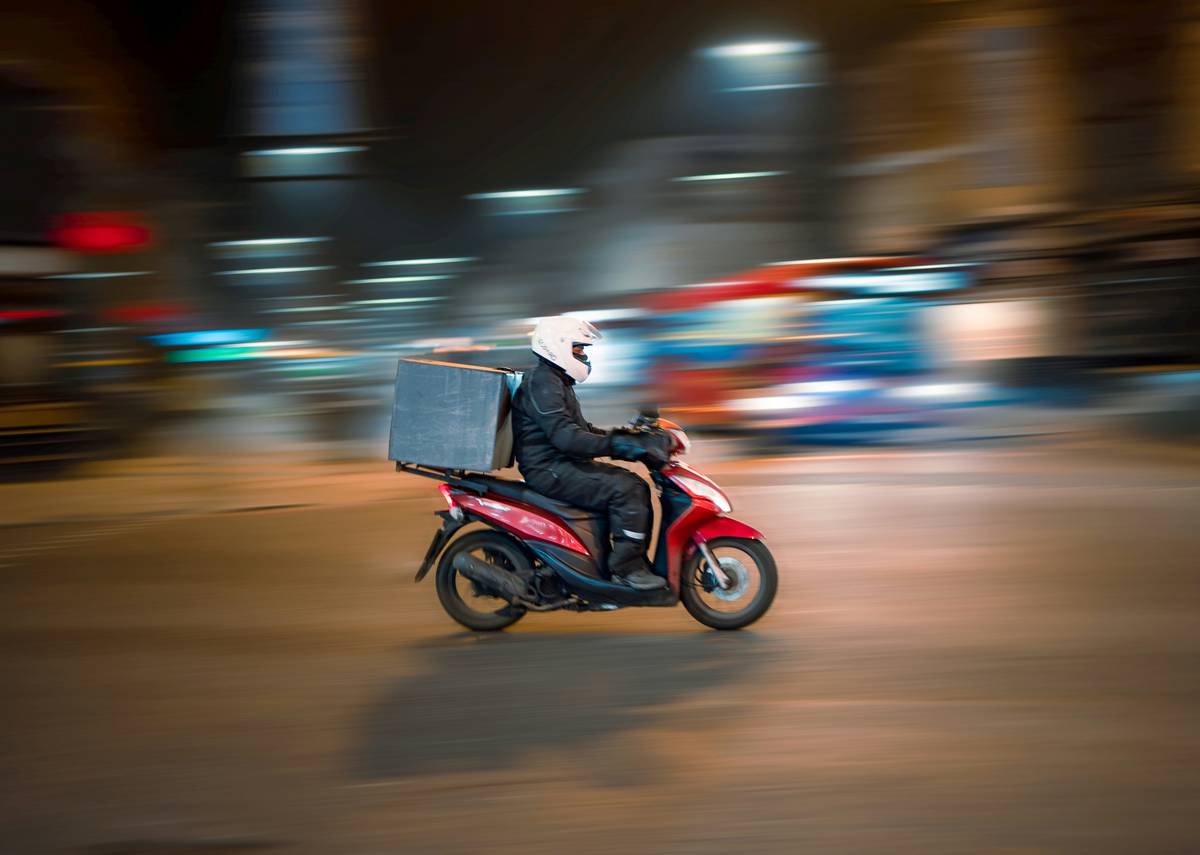
If you’ve ever driven for Uber, hosted on Airbnb, or booked last-minute photography gigs while backpacking through Bali, you’ve probably wondered: does my side hustle qualify me as a gig worker? And more importantly—am I covered if something goes wrong overseas? You’re not alone. Millions of independent earners travel without realizing their standard policies exclude them the moment they log into a gig app abroad. In this guide, we’ll clarify what is considered a gig worker, unpack why traditional travel insurance often fails freelancers, and show you exactly how to protect your income—and your passport—on the road.
Table of Contents
- Why Gig Workers Need Special Travel Insurance
- How to Get Covered: Step-by-Step
- Best Practices for Side-Hustle Travel Protection
- Real-World Case Studies
- Frequently Asked Questions
Key Takeaways
- The IRS defines gig workers as independent contractors earning via digital platforms—this affects insurance eligibility.
- Standard travel policies often void coverage if you’re working during your trip, even casually.
- Specialized “side-hustle cover” plans now exist for gig-based income protection abroad.
- Always verify whether your activity qualifies as “work” under your insurer’s terms before booking.
- Carrying proof of your insurance type can prevent denied claims at border crossings or hospitals.
Why Gig Workers Need Special Travel Insurance
Here’s a painful truth I learned the hard way: I once rented out my Denver apartment on Airbnb while traveling in Portugal. A pipe burst. The guest demanded compensation. My regular travel insurance refused the claim, stating my trip wasn’t “pure leisure” because I was generating rental income. I lost $1,200—and weeks of stress—because I assumed “travel insurance” meant all-inclusive protection.
That’s the trap. Most mainstream policies consider any income-generating activity—whether it’s driving for Bolt in Bangkok or selling handmade jewelry on Etsy from a hostel—as “work.” And work = exclusion. According to the U.S. Bureau of Labor Statistics, over 36% of American workers participated in the gig economy in 2023, yet fewer than 15% knew their travel policies didn’t cover them (BLS, 2023).
How to Get Covered: Step-by-Step
1. Confirm Your Gig Status
First, understand what is considered a gig worker. The IRS classifies you as one if you earn income via apps or platforms like DoorDash, Upwork, or Turo, and receive 1099 forms instead of W-2s. If you’re monetizing skills or assets while traveling—even occasionally—you fall into this category.
2. Audit Your Current Policy
Read the fine print. Look for phrases like “no business activity permitted” or “leisure-only trips.” Many insurers quietly exclude “non-employee work,” which includes gig tasks.
3. Choose a Side-Hustle-Specific Plan
Seek policies explicitly labeled “freelancer,” “digital nomad,” or “gig worker” travel insurance. These cover medical emergencies, trip interruptions, and liability—even if you’re logged into your gig app. Compare benefits at sites like Squaremouth or InsureMyTrip, filtering for “business traveler” options that include independent contractors.
Best Practices for Side-Hustle Travel Protection
- Never assume your credit card’s travel insurance covers gig work. Most don’t—they’re designed for vacationers.
- Document your gigs. Keep screenshots of your active platform profiles and recent earnings to prove legitimacy if filing a claim.
- Avoid this terrible tip: “Just say you’re on vacation if asked.” Lying to insurers risks policy cancellation and future premium hikes.
- Link your coverage to your workflow. If you’re a travel blogger reviewing hotels, ensure your plan includes media liability.
- Review our Privacy Policy before submitting personal data to any insurer—we take your security seriously.
Real-World Case Studies
In 2023, Maria, a freelance graphic designer, broke her wrist skiing in Switzerland while between client calls. Her standard insurer denied her $8,000 medical claim because she’d checked email that morning—technically “working.” Switching to a gig-specific policy the next year saved her when her laptop (her primary work tool) was stolen in Lisbon; she recovered $2,500 for replacement costs under equipment coverage.
Similarly, the Freelancers Union reports that 68% of denied travel claims among independents stemmed from undisclosed gig activity (Freelancers Union, 2024). That’s avoidable with the right plan.
Frequently Asked Questions
Does Airbnb hosting count as gig work for insurance purposes?
Yes. Short-term rental income typically qualifies you as a gig worker, especially if you manage listings remotely while traveling.
Can I get travel insurance if I’m a full-time digital nomad?
Absolutely—but you’ll need an annual “nomad” policy that explicitly covers remote work, not a single-trip leisure plan.
Is food delivery (like Uber Eats) covered under gig travel insurance?
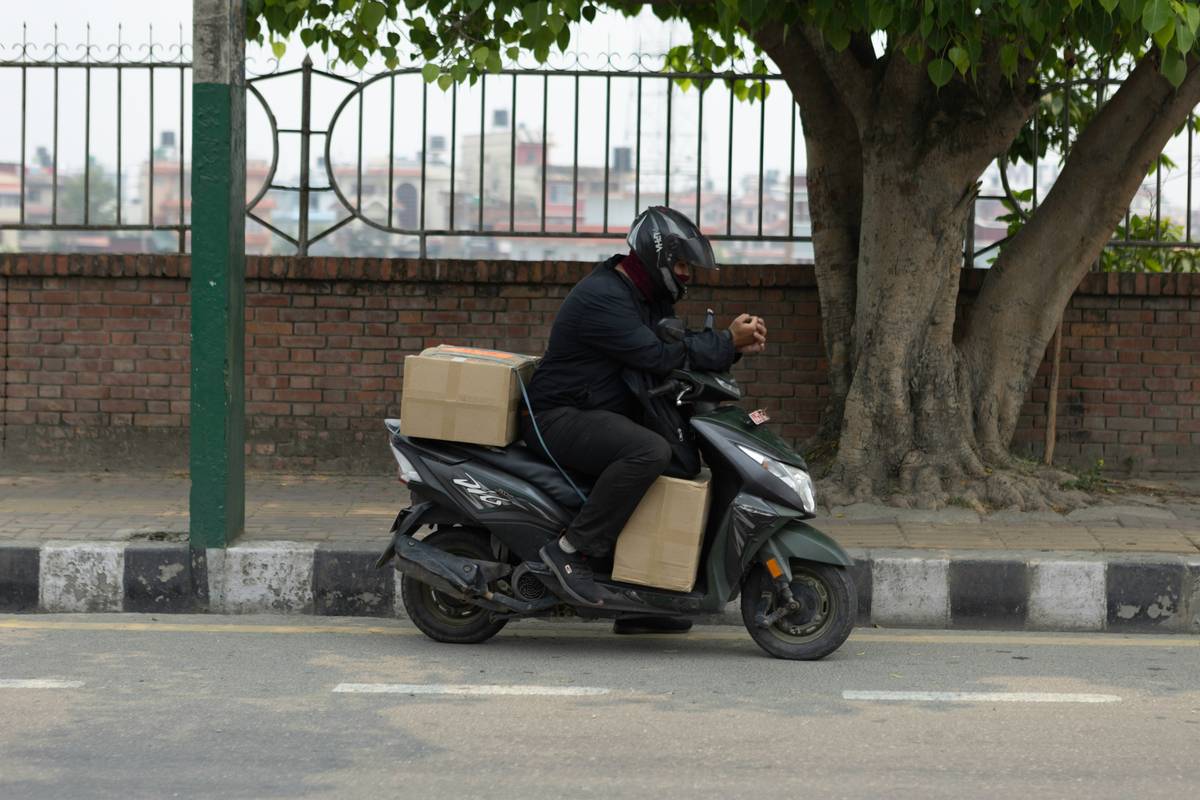
Only if your policy includes “active gig work.” Some plans cover passive income (e.g., royalties), but not on-the-ground deliveries abroad.
What documentation proves I’m a legitimate gig worker?
Platform dashboards, 1099s, client contracts, or bank statements showing consistent freelance deposits suffice.
Does health insurance replace travel insurance for gig workers?
No. Domestic health plans rarely cover international emergencies or trip cancellations—two critical gaps gig workers face.
Where can I learn more about gig economy rights?
Start with our About Us page to understand our mission, then consult official resources like the Department of Labor’s gig worker guidelines.
So—what is considered a gig worker? It’s anyone turning skills, time, or assets into income via digital platforms, especially while mobile. Don’t let outdated insurance assumptions derail your hustle. Ready to lock in smart, side-hustle-ready coverage? Contact us today—we’ll help you travel confidently, whether you’re coding from Costa Rica or guiding tours in Tokyo.
Wheels up, gigs on, worries off.
(And yes—you’re covered.)