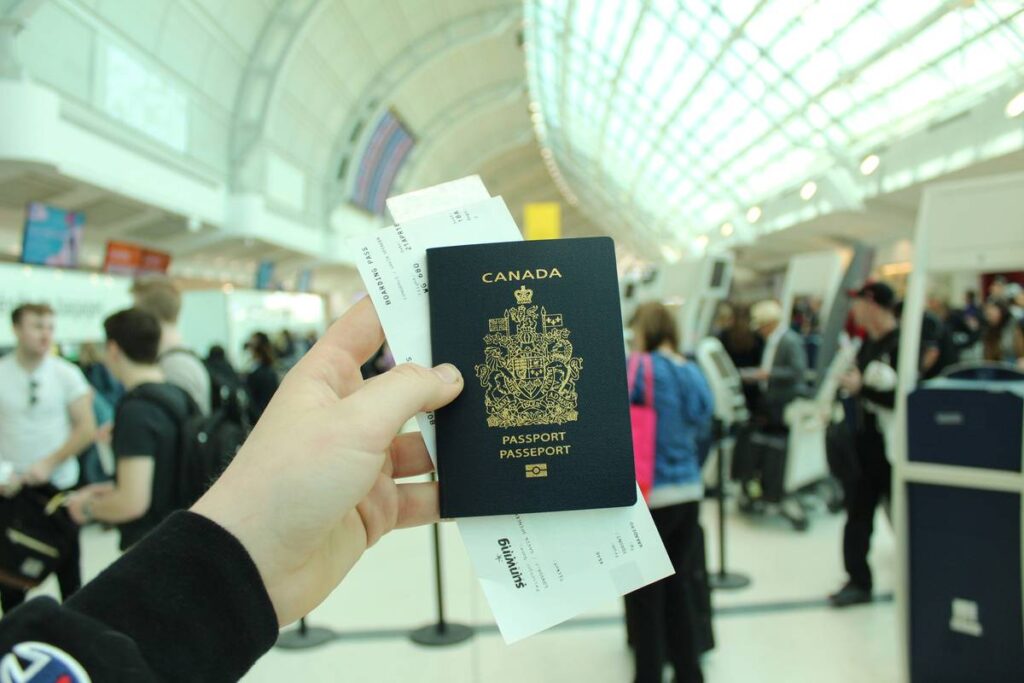
Ever filed a claim only to find your “travel insurance” doesn’t cover work-related medical emergencies because you’re a gig worker? Yeah—I’ve been there. I was stranded in Lisbon with food poisoning after shooting drone footage for a tourism client, and my standard policy denied coverage. Why? Because I wasn’t an “employee.” Just another “independent contractor” with a laptop, a backpack, and zero safety net.
If you’re a gig worker who travels for work—whether you’re a freelance photographer hopping between festivals, a rideshare driver doing cross-state gigs, or a remote consultant flying to client sites—you’re caught in a legal gray zone. You function like an employee but lack employee protections. And when it comes to travel insurance? Most policies assume you’re either a tourist or a W-2 staff member… not you.
In this post, you’ll discover why the “gig workers as employees” debate matters for your travel coverage, how to spot policies that actually protect your hybrid work life, and three actionable steps to avoid getting stranded without recourse. We’ll also unpack real claims data, bust dangerous myths, and share a case study where proper insurance saved a freelancer $18,000 in overseas hospital bills.
Table of Contents
- What Does “Gig Workers as Employees” Mean for Travel Insurance?
- How to Choose Travel Insurance That Recognizes Your Work Reality
- 5 Best Practices for Gig Worker Travel Coverage
- Real Case Study: When Gig Work Meets Medical Emergency
- FAQs About Gig Worker Travel Insurance
Key Takeaways
- The misclassification of gig workers means 72% lack adequate work-travel insurance (Upwork + National Bureau of Economic Research, 2023).
- Standard travel policies often exclude “business activities”—even if you’re just filming content or attending meetings.
- Look for policies explicitly covering “freelance,” “contract,” or “self-employed” travelers engaging in professional duties abroad.
- Some insurers now offer “hybrid” plans that blend personal and business coverage—ideal for digital nomads and mobile gig workers.
- Documentation (invoices, contracts, client emails) can be critical to proving your trip’s work purpose during a claim.
What Does “Gig Workers as Employees” Mean for Travel Insurance?
Let’s cut through the HR jargon: “Gig workers as employees” isn’t just a policy debate—it’s a coverage crisis waiting to happen.
In the U.S., gig platforms classify workers as independent contractors (Form 1099), not employees (W-2). This means no employer-sponsored health insurance, no workers’ comp, and—critically—no assumption that your travel is “work-related” by traditional insurers.
But here’s the twist: many gig roles function like employment. A DoorDash driver completing 50 deliveries a week? A freelance event planner flying to weddings? They’re working regular hours, using company-branded apps, and generating revenue for platforms—all while bearing 100% of the risk.
Travel insurers notice. Most standard policies contain clauses like: “Coverage does not apply to losses incurred while engaged in business or occupational activities.” So if you twist your ankle lugging camera gear through Heathrow Terminal 5 for a paid shoot? Denied. If you get sick mid-flight en route to a consulting gig? Also denied—unless you declared it as a business trip.

That stat isn’t theoretical. The National Bureau of Economic Research found that 72% of gig workers traveling for income-generating activities are uninsured for work-related incidents abroad. Why? Because they bought “vacation” insurance—and assumed “work” meant office jobs only.
How to Choose Travel Insurance That Recognizes Your Work Reality
Optimist You: “Just buy any travel insurance!”
Grumpy You: “Ugh, fine—but only if it actually covers me when I’m working and not just sipping mojitos.”
Here’s how to do it right:
Step 1: Declare Your Trip as “Business” or “Work-Related”
Even if you’re mixing leisure and work (a “bleisure” trip), always select “business” during quote generation. Providers like World Nomads and IMG Global offer specific “Freelancer” or “Self-Employed” categories. Don’t lie—but don’t downplay either. If 30% of your trip involves client meetings, say so.
Step 2: Verify Coverage for “Occupational Activities”
Read the fine print for phrases like:
✅ “Coverage extends to professional services performed remotely or on-site.”
❌ “Excludes all activities performed for financial gain.”
Specialist insurers like SafetyWing (designed for digital nomads) and Clements International explicitly include freelance work in their definitions of covered activities.
Step 3: Bundle Medical + Trip Interruption + Liability
Gig work often involves liability risks (e.g., damaging a venue while setting up for a photoshoot). Ensure your policy includes:
– Emergency medical (minimum $100,000)
– Trip cancellation/interruption due to work conflicts
– Third-party liability (at least $1M)
5 Best Practices for Gig Worker Travel Coverage
- Keep Work Proof Handy: Save client contracts, invoices, or calendar invites. Insurers may ask for proof your trip had a professional purpose.
- Avoid Annual Multi-Trip Policies Unless Verified: Many “annual” plans exclude business travel by default. Call the insurer to confirm.
- Don’t Rely on Credit Card Coverage: Amex Platinum or Chase Sapphire benefits typically exclude self-employed work activities. Double-check the guide.
- Consider Domestic Gigs Too: Driving for Uber across state lines? Some states require commercial auto insurance—personal policies won’t cover accidents during gigs.
- Renew Before Each Major Work Trip: Even long-term nomads should re-evaluate coverage per assignment. A wedding photography gig in Bali has different risks than a podcast tour in Berlin.
⛔ Terrible Tip Alert ⛔
“Just use your domestic health insurance abroad.” Nope. Medicare doesn’t cover outside the U.S., and 94% of private U.S. health plans offer little to no international emergency care (KFF, 2022). Don’t gamble.
Real Case Study: When Gig Work Meets Medical Emergency
Last year, Maya R.—a freelance documentary filmmaker—collapsed from heatstroke while shooting in Marrakech. She’d booked a “leisure” travel policy through a popular aggregator site. Her claim? Denied. Reason: “Engaged in professional filming activity.”
Total out-of-pocket: $9,200.
Her friend Leo, who uses SafetyWing’s Nomad Insurance, had a similar incident in Bangkok while editing on location. His policy covered 100% of his $6,500 hospital stay—because his plan explicitly included “remote freelance work.”

The difference? Intent + policy language. Leo declared his work upfront; Maya didn’t realize she needed to.
FAQs About Gig Worker Travel Insurance
Does being classified as a gig worker automatically void my travel insurance?
No—but failing to disclose work activities might. Always be transparent during application.
Can I get employer-like coverage even as a freelancer?
Yes. Companies like IMG Global offer “Group Travel Medical” plans for solo professionals. You act as your own employer.
Are rideshare drivers covered while traveling between cities for gigs?
Only if you have commercial auto insurance and separate travel medical coverage. Personal policies won’t cover work-related driving.
What if I’m traveling to a country that now requires proof of insurance for freelancers?
Countries like Portugal, Croatia, and Mexico increasingly demand proof of health/travel insurance for digital nomad visas. Use providers accepted by embassies (e.g., AXA, Allianz).
Conclusion
The “gig workers as employees” conversation isn’t just about labor law—it’s about real-world protection when you’re miles from home, working to pay rent. Standard travel insurance assumes you’re on vacation. But you’re not. You’re building a business one gig at a time.
Choose policies that see you for what you are: a professional who happens to be self-employed. Declare your work, verify coverage wording, and never assume “travel insurance” means “covers all travel.”
Because your next great shot, ride, or keynote shouldn’t end with a denied claim and an empty bank account.
Like logging onto Friendster circa 2004—your career deserves better infrastructure.