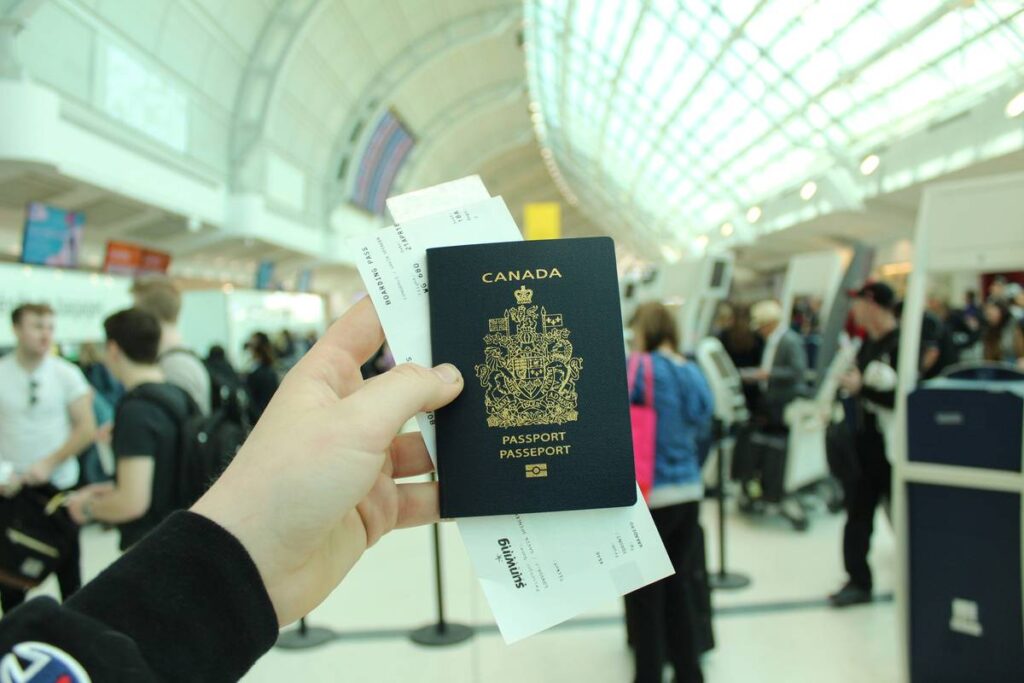
Imagine this: You’re a freelance photographer booked for a luxury destination wedding in Bali. Your flight’s delayed 12 hours, your gear gets held up in customs, and you wake up with food poisoning the day before the shoot. No employer. No HR department. Just you—and a $3,000 bill. Sound familiar?
If you’re part of the gig safety net worker in economy—a digital nomad, rideshare driver moonlighting as a tour guide, or a travel blogger monetizing every mile—you’re flying without a parachute. This post cuts through the noise to show you exactly why standard travel insurance won’t cut it… and what will.
You’ll learn:
- Why gig workers face unique risks most policies ignore
- How to choose travel insurance that covers income loss, equipment, and last-minute cancellations
- Real stories from gig workers who got burned (and those who dodged the bullet)
- The one “terrible tip” brokers won’t tell you—but I will
Table of Contents
- The Gig Gap: Why Traditional Travel Insurance Fails Independent Workers
- How to Choose a Travel Insurance Policy That Actually Covers Gig Work
- 5 Best Practices for Gig Safety Net Travel Coverage
- Real Stories: When Gig Travel Insurance Saved (or Didn’t Save) the Day
- FAQs About Gig Worker Travel Insurance
Key Takeaways
- Over 70 million Americans participate in the gig economy (Pew Research, 2023)—yet fewer than 15% have travel insurance covering work-related losses.
- Standard policies often exclude “business equipment” and “income interruption”—critical for gig workers.
- Look for policies with “trip interruption for work obligations,” “equipment coverage,” and “digital nomad endorsements.”
- Companies like World Nomads, SafetyWing, and IMG offer specialized add-ons for independent contractors.
- Always declare your gig activity upfront—misrepresentation voids claims.
The Gig Gap: Why Traditional Travel Insurance Fails Independent Workers
Most travel insurance plans were built for retirees on Caribbean cruises—not for Sarah, the Airbnb Experience host who flies to Lisbon monthly to run wine-tasting tours, or Mateo, the TikTok travel creator whose income vanishes if his camera dies in transit.
Here’s the brutal truth: Standard policies treat you like a tourist, not a worker. They cover medical emergencies or lost luggage—but not lost gigs. If your client cancels because your flight was delayed, tough luck. If your drone crashes in Patagonia, you’re out $1,800. And if you get stranded due to a strike? Most policies won’t reimburse income you never earned.
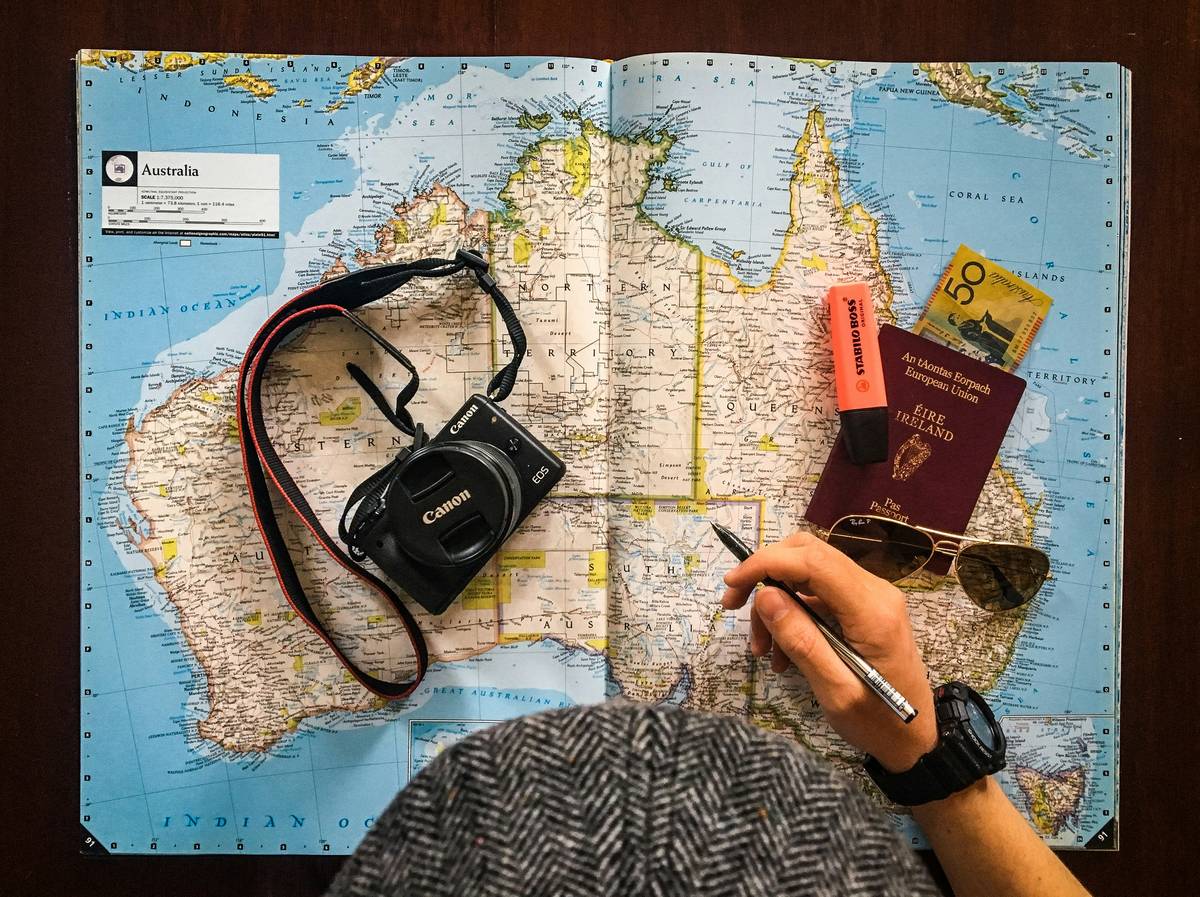
I learned this the hard way. In 2022, I flew to Morocco to film a sponsored travel series. My GoPro flooded during a surf session in Taghazout (yes, I forgot the waterproof case—don’t @ me). My policy covered “personal belongings,” but excluded “professional electronics used for income generation.” Result? A $650 loss and zero recourse.
Optimist You: “At least you got sick notes covered!”
Grumpy You: “I needed my camera—not a Band-Aid.”
How to Choose a Travel Insurance Policy That Actually Covers Gig Work
Not all travel insurance is created equal—especially when your livelihood depends on mobility. Follow these steps to build your gig safety net:
Do I need “business” or “personal” travel insurance?
If you’re earning money while traveling—even sporadically—you need business-travel coverage. Personal policies explicitly exclude commercial activity. Look for terms like “independent contractor,” “freelancer,” or “self-employed traveler.”
What specific gig-related coverages should I prioritize?
- Income Interruption Protection: Reimburses lost earnings if your trip is delayed/canceled AND you lose booked gigs. Rare—but offered by SafetyWing’s “Remote Health + Travel” plan.
- Professional Equipment Coverage: Covers cameras, laptops, DJ gear, etc., beyond standard “personal effects” limits.
- Trip Cancellation for Work Obligations: Allows cancellation if a client pulls out or a platform (like Uber or Upwork) freezes your account.
- Global Medical + Evacuation: Non-negotiable. The U.S. State Department reports 2.9 million Americans sought overseas medical help in 2022.
Which providers actually get gig work?
- SafetyWing: Built for digital nomads; includes remote work injury coverage.
- World Nomads: Offers “Gear & Gadgets” add-on (up to $5,000 for electronics).
- IMG Global: “Patriot Travel Medical” with optional “Business Traveler” rider.
- Allianz: Customizable plans—but call their specialist line to disclose gig activity.
5 Best Practices for Gig Safety Net Travel Coverage
Having insurance isn’t enough—you need the right setup:
- Disclose your gig upfront. Lying = claim denial. Say “I’m a freelance tour guide” not “I’m visiting family.”
- Bundle, don’t patch. Avoid mixing personal and gig coverage—it creates loopholes. Get one comprehensive policy.
- Track every expense. Keep receipts for gear, bookings, and client contracts. Insurers love paper trails.
- Renew proactively. Many policies auto-renew—but exclude new gig types added mid-term.
- Avoid “annual multi-trip” traps. These often cap per-trip duration (e.g., 30 days), killing coverage for long-term nomads.
Terrible Tip Alert: “Just use your credit card’s travel insurance.” Newsflash: Amex Platinum doesn’t cover your Fiverr gig cancellation. Ever.
Real Stories: When Gig Travel Insurance Saved (or Didn’t Save) the Day
Case 1: The Saved Nomad
Lena, a travel YouTuber, contracted dengue fever in Thailand. Her SafetyWing policy covered $8,200 in hospital bills and reimbursed $1,500 for missed brand deals due to a “work interruption” clause. Total cost of policy: $92/month.
Case 2: The Uncovered Driver
Raj, an Uber/Lyft driver who rented cars abroad to offer city tours, totaled a vehicle in Lisbon. His personal travel policy denied the claim—he hadn’t declared “commercial vehicle use.” Out-of-pocket: €4,300.
Rant Corner: Why do insurers still ask “Are you traveling for leisure?” like it’s 2005? If your Airbnb listing says “Experience Host,” you’re working. Stop pretending otherwise.
FAQs About Gig Worker Travel Insurance
Does travel insurance cover gig income loss?
Only if you buy a policy with “trip interruption for self-employed persons” or similar wording. Standard plans do not.
Can I insure my laptop and camera?
Yes—but only under “professional equipment” coverage. Standard baggage limits ($500–$1,000) won’t cover high-end gear.
Is gig travel insurance tax-deductible?
In the U.S., yes—as a business expense (IRS Publication 535). Consult your accountant.
What if I work on multiple platforms (e.g., Airbnb + Uber)?
Disclose all income sources. Insurers assess risk based on your highest-risk activity.
Do I need liability coverage too?
If you lead tours or handle clients’ property, yes. Add general liability ($1M recommended) via providers like Thimble or Next Insurance.
Conclusion
Being a gig safety net worker in economy means freedom—but also fragility. Travel insurance isn’t just about missed flights; it’s about protecting the very engine of your income. Choose a policy that sees you as a professional, not a vacationer. Disclose your work honestly, cover your gear like gold, and never assume “travel insurance” means “gig-proof.”
Your next gig might be in Santorini—or Seoul. Make sure you’re covered, not canceled.
Like a Tamagotchi, your gig safety net needs daily care. Feed it truth. Don’t let it die.