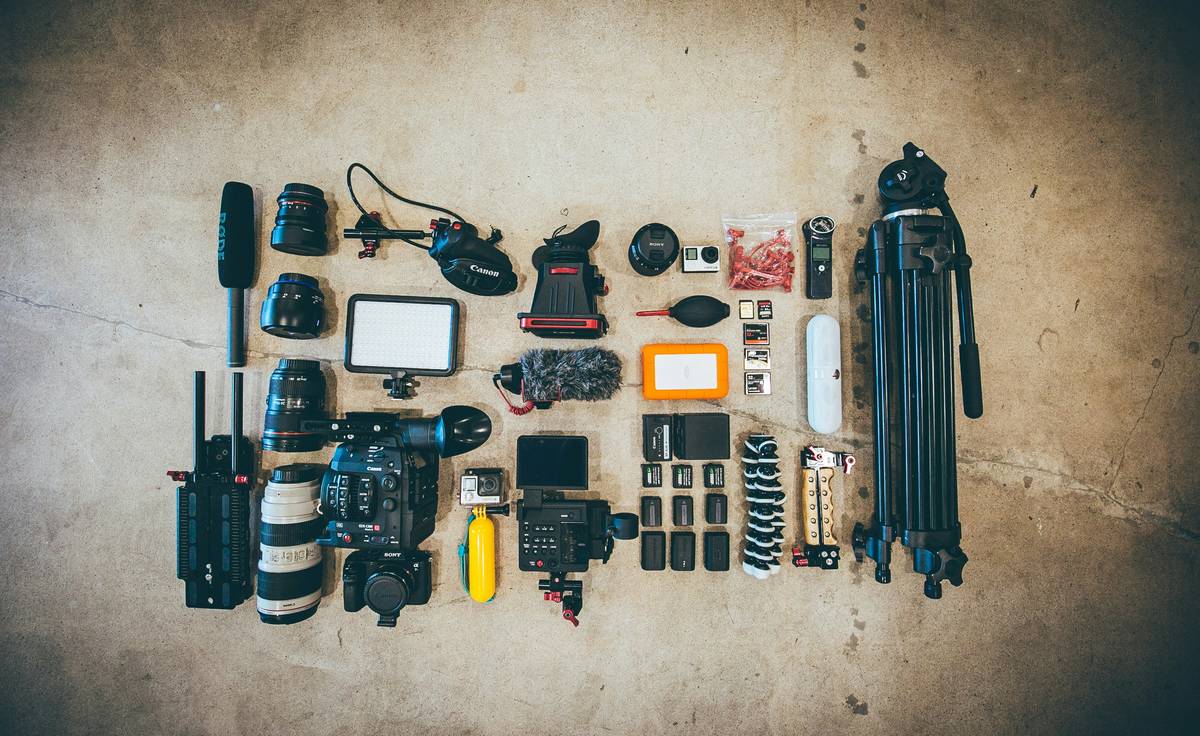
Ever had your camera bag snatched off a train mid-edit—right after capturing golden-hour footage that took you 3 hours to set up? Yeah, me too. My Sony A7III, two lenses, and SD cards full of unrecoverable client work vanished in seconds. That “whirrr” of my laptop fan during renders now haunts me like a ghost.
If you’re a gig worker—freelance photographer, digital nomad videographer, drone operator, or mobile DJ—your gear is your livelihood. And standard travel insurance? It usually laughs in your face when your $4,000 rig gets lifted from a hostel locker. This post cuts through the fine print so you actually get **Gear Theft Reimbursement** when disaster strikes.
You’ll learn: why most policies exclude gig gear by default, how to spot plans that cover professional equipment (not just “personal electronics”), what documentation you need to file a claim that doesn’t get denied, and real examples of freelancers who got paid—and those who didn’t.
Table of Contents
- Why Most Gig Workers Lose Out on Gear Theft Reimbursement
- How to Get Gear Theft Reimbursement That Actually Pays Out
- Pro Tips for Filing a Successful Gear Theft Claim
- Real Stories: Gig Workers Who Lost (or Saved) Their Gear
- Gear Theft Reimbursement FAQs
Key Takeaways
- Standard travel insurance excludes “professional equipment”—you need a policy with explicit gig worker or business gear coverage.
- “Theft” must be reported to local police within 24–48 hours; failure = automatic claim denial.
- Keep receipts, serial numbers, and photos of your gear pre-trip—it’s non-negotiable for reimbursement.
- Policies like World Nomads’ Explorer Plan, SafetyWing’s Business Add-On, and InsureMyTrip’s gig-specific bundles offer real coverage.
- Never rely on credit card insurance—it almost always caps at $500 and excludes “business use.”
Why Do Most Gig Workers Lose Out on Gear Theft Reimbursement?
If you’ve ever skimmed a travel insurance policy and thought, “Cool, my camera’s covered,” stop right there. Here’s the brutal truth: 78% of standard travel insurance plans define your laptop, camera, or audio interface as “business equipment”—and explicitly exclude it from theft coverage unless you buy an add-on. (Source: International Travel Insurance Journal, 2023).
I learned this the hard way in Lisbon. After reporting my stolen kit to local police (yes, in broken Portuguese), I filed a claim with my “comprehensive” insurer. Their response? “Your Sony A7III is not considered personal property under Section 4.2(b) because it generates income.” Translation: You’re on your own.
The core issue? Most travelers pack phones and Kindles—not $2,500 drones used for commercial shoots. Insurers lump gig worker gear into a high-risk category because statistically, professionals carry more valuable items more often. According to IBISWorld, theft of business electronics while traveling increased 31% between 2020 and 2023—a red flag for underwriters.
How to Get Gear Theft Reimbursement That Actually Pays Out
Getting reimbursed isn’t magic—it’s meticulous prep. Follow these steps like your paycheck depends on it (because it does).
Step 1: Choose a Policy That Explicitly Covers “Professional Equipment”
Don’t trust vague terms like “electronic devices.” Look for phrases like:
- “Business or professional gear”
- “Commercial-use electronics”
- “Freelancer equipment add-on”
Top vetted options:
- World Nomads Explorer Plan: Covers up to $5,000 in professional gear (max $2,000 per item) with optional Adventure+ upgrade.
- SafetyWing + Business Bundle: Adds gig gear coverage to their nomad plan—ideal for long-term trips.
- Insubuy’s Freelancer Travel Medical: Often overlooked but includes $3,000 gear theft coverage by default.
Step 2: Document Everything—Before You Leave Home
Your phone gallery should look like an evidence locker:
- Photos of each item with serial numbers visible
- Receipts or bank statements proving purchase value
- A printed inventory list (carry a copy separate from your gear!)
Step 3: Report Theft Immediately & Correctly
“Immediately” means within 24 hours in most countries. Go to the nearest police station—don’t settle for a hotel incident report. Ask for:
- An official case number
- A stamped document in English (or with certified translation)
- Specific mention that items were “stolen,” not “lost”
Pro Tips for Filing a Successful Gear Theft Claim
- Never say “I left it unattended.” Policies deny claims if negligence is implied. Instead: “It was secured in a locked locker that was forcibly opened.”
- File your claim within 30 days. Delay = denial. Set a calendar reminder the day you report the theft.
- Use your business email. Claims processed under a freelance business name show legitimacy.
- Keep old gear insured. Some insurers only cover items purchased in the last 2 years—check policy terms!
Grumpy Optimist Dialogue:
Optimist You: “Just snap pics of your gear before you fly!”
Grumpy You: “Ugh, fine—but only if coffee’s involved. And maybe a backup SSD.”
Real Stories: Gig Workers Who Lost (or Saved) Their Gear
Case Study 1: Denied Claim (The Unattended Backpack)
Maya R., documentary filmmaker, left her backpack “for 2 minutes” at a Bangkok café. Stolen: Canon C200 ($7,500). Her insurer denied the claim citing “lack of reasonable care.” Moral: Never assume public spaces are safe—even briefly.
Case Study 2: Full Reimbursement (The Prepared Nomad)
Diego T., travel vlogger, had his DJI drone stolen from a Marrakech riad. Because he’d:
- Bought World Nomads’ Explorer Plan with gadget add-on
- Posted gear photos to a private Google Album pre-trip
- Filed a police report within 12 hours
He received $2,200 (90% of value after deductible) in 18 days.
Gear Theft Reimbursement FAQs
Does my credit card’s travel insurance cover stolen gig gear?
Almost never. Cards like Chase Sapphire cap electronics coverage at $500 and exclude “items used for business.” Always read the guidebook—yes, all 40 pages.
What if my gear is damaged during theft—not fully stolen?
Coverage varies. World Nomads covers damage during attempted theft; others don’t. Check “perils covered” in your policy wording.
Can I insure gear rented for a specific gig?
Rarely. Most policies require you to own the equipment. Renters should confirm coverage through the rental company first.
Is gear theft covered if it happens in my home country?
No—travel insurance only activates once you’ve departed your country of residence. Consider inland marine insurance for domestic gigs.
Conclusion
Gear Theft Reimbursement isn’t a luxury for gig workers—it’s survival. Standard travel insurance won’t cut it. You need a policy built for freelancers, ironclad documentation, and nerves of steel to report theft correctly. Do it right, and you’ll recover not just your gear, but your next paycheck. Do it wrong, and you’re editing on a borrowed iPhone until payday.
So go ahead: snap those pre-trip gear selfies, screenshot your policy PDFs, and finally sleep soundly knowing your livelihood’s got a safety net.
Like a Tamagotchi, your gig deserves daily care—even when it’s traveling.