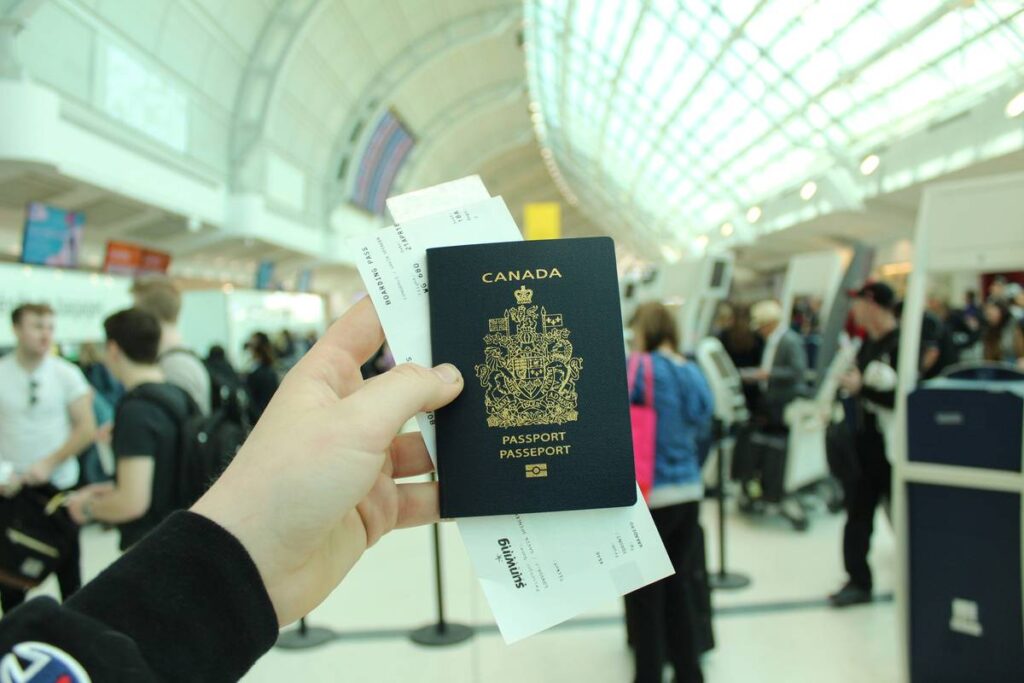
Ever landed in Lisbon with a dead laptop, a stolen camera bag, and zero idea how you’ll deliver that $2,000 client project due in 48 hours? Yeah. Me too. And no—my “regular” travel insurance didn’t cover a damn thing because I was working.
If you’re a digital nomad, freelance photographer, consultant-on-the-go, or any gig worker who trades time for money across borders, your biggest blind spot isn’t Wi-Fi—it’s Freelance Risk Management. Most standard travel policies treat work-related losses like they’re radioactive. Meanwhile, platforms like Upwork won’t reimburse you when your gear vanishes mid-flight.
In this post, you’ll learn exactly why traditional insurance fails freelancers, how to evaluate specialized gig worker coverage, real claims I’ve filed (and ones I wish I had), and which providers actually understand your chaotic, beautiful, border-hopping grind.
Table of Contents
- Why Traditional Travel Insurance Fails Freelancers
- How to Choose the Right Freelance Risk Management Plan
- 5 Best Practices for Gig Worker Travel Insurance
- Real-World Case Studies: When It Worked (and When It Didn’t)
- Freelance Risk Management FAQs
Key Takeaways
- Standard travel insurance excludes “business equipment” and income loss from disruptions—critical for gig workers.
- FREELANCE RISK MANAGEMENT = protecting your tools, income, and legal liability while traveling for work.
- Specialized policies from providers like SafetyWing, World Nomads (Business Add-On), and InsureMyTrip’s Gig Worker filters exist—but read exclusions carefully.
- Always document your work itinerary, client contracts, and gear serial numbers before departure.
- Travel delays that cancel client deadlines may be covered—if your policy includes “trip interruption for business reasons.”
Why Traditional Travel Insurance Fails Freelancers
Here’s the tea: most travel insurance policies were built for retirees on river cruises—not for you editing GoPro footage from a Bangkok café while negotiating contracts over lukewarm espresso. Standard plans often include fine-print exclusions like:
“Loss or damage to professional equipment used for business purposes is not covered.”
Ouch.
According to the Insurance Information Institute (III), only 14% of U.S. travelers even check if their policy covers work-related items. For freelancers, that oversight can cost thousands.
I learned this the hard way after a pickpocket in Barcelona lifted my backpack containing my MacBook Pro (with 3 unsynced client projects), a Sony A7IV, and my passport. My insurer denied the claim, citing “professional use.” Estimated loss: $4,200. Recovery time: 6 weeks without income. Emotional damage: incalculable.
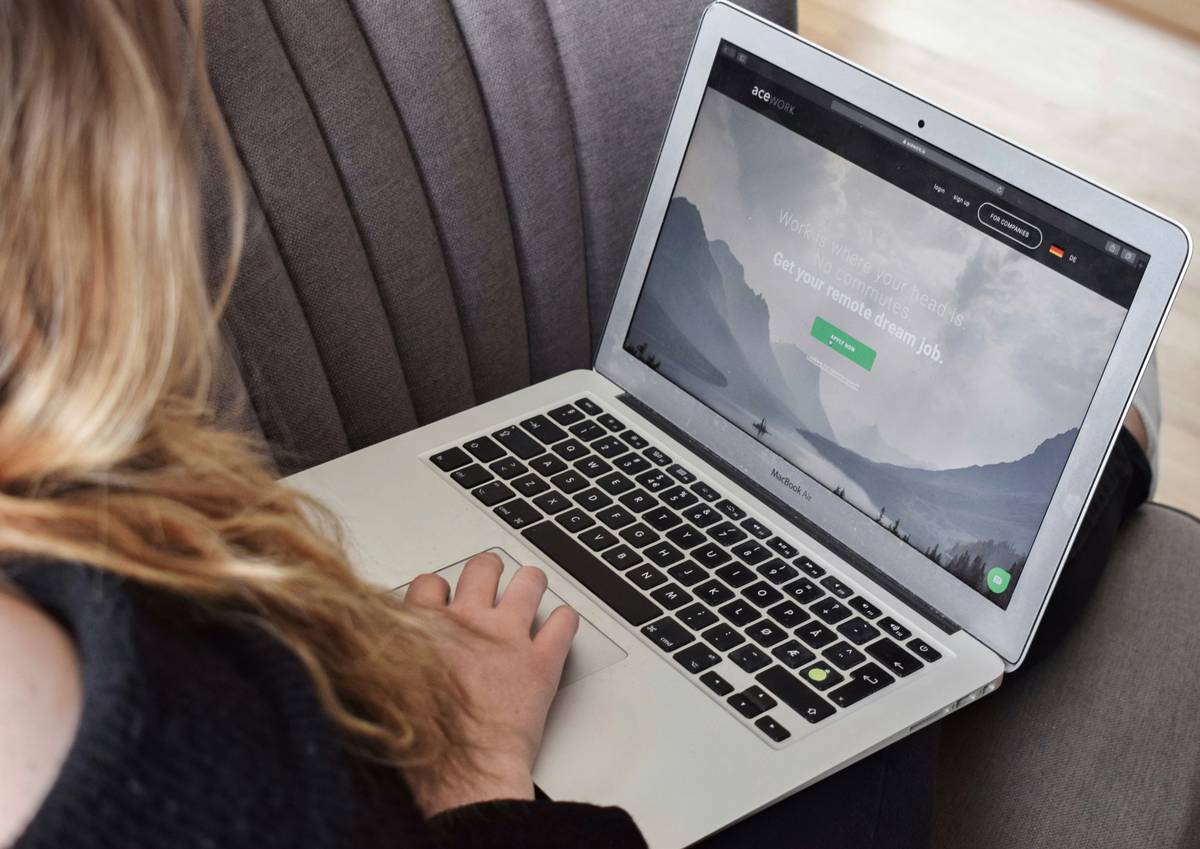
Moral of the story? If you earn while you wander, your risk profile isn’t “tourist”—it’s entrepreneur. And entrepreneurs need armor.
How to Choose the Right Freelance Risk Management Plan
Not all “freelancer-friendly” policies are created equal. Here’s your step-by-step vetting checklist:
Does it cover business equipment explicitly?
Look for wording like “professional gear,” “electronic devices used for income generation,” or “mobile office equipment.” Avoid vague terms like “personal belongings”—those rarely include work tools.
Is income protection included?
Some niche policies (e.g., SafetyWing’s Remote Health + Travel) offer reimbursement for lost income due to trip cancellations caused by illness, injury, or transportation failure—if tied to a confirmed work commitment.
What about liability?
If you’re leading photo tours or consulting onsite, general liability coverage protects you if a client slips during your workshop. Most leisure policies ignore this entirely.
Are pre-existing conditions waived for remote workers?
Many long-term nomad plans waive pre-existing condition exclusions if you enroll within 14 days of booking your first trip—a game-changer for chronic health issues.
Can you extend coverage seamlessly?
Gig life = fluid timelines. Pick insurers that let you extend month-to-month without re-underwriting (SafetyWing, World Nomads Business).
5 Best Practices for Gig Worker Travel Insurance
- Bundle health + travel insurance. Medical emergencies abroad can bankrupt you faster than a missed deadline. Remote Health by SafetyWing covers both.
- Photograph and list serial numbers of all work gear. Keep this in a cloud folder + email it to yourself. Required for most equipment claims.
- Attach client contracts to your policy application. Proof of work purpose strengthens claims for income loss or business interruption.
- Avoid annual multi-trip policies unless you’re home-based. They often cap consecutive days abroad (e.g., 30–45 days)—useless for nomads.
- Never rely on credit card travel insurance alone. Chase Sapphire and Amex cover trip delay, but exclude professional equipment and income loss per their 2023 policy updates.
Grumpy You: “Ugh, fine—but only if I can do this while waiting for my delayed Ryanair flight.”
Optimist You: “Exactly! Do it now—your future self will high-five you from a Bali coworking space.”
Real-World Case Studies: When It Worked (and When It Didn’t)
Case 1: The Saved Safari Shooter
Maya, a wildlife photographer, insured her $8K Canon rig through World Nomads’ Adventure + Business add-on. When her lens cracked during a Kenya dust storm, she filed a claim within 24 hours with photos and purchase receipts. Reimbursement: $6,200 in 11 days. “Felt like magic,” she told me over Zoom, sipping chai in Nairobi.
Case 2: The Denied Developer
Carlos, a freelance dev, used a basic Allianz plan while coding in Medellín. His laptop died—no backup. Claim denied: “Device used for commercial activity.” Lost $3K in hardware + $5K in missed contract penalties. He’s now on SafetyWing and backs up to three clouds. “Lesson cost me sleep and sanity,” he muttered, eyes twitching like his overheating MacBook fan—whirrrr.
Case 3: The Nomad Who Nailed It
Lena, a UX consultant, booked a SafetyWing Remote Year plan. When a volcano grounded flights and canceled her Berlin workshop, her policy covered 70% of lost income + hotel costs. Key move? She’d uploaded her signed client agreement and workshop agenda to her claim portal upfront.
Freelance Risk Management FAQs
Does travel insurance cover lost freelance income?
Only if you buy a policy with “business trip interruption” or “income protection” riders. Standard plans do not.
Can I get coverage if I’m already abroad?
Yes! Providers like SafetyWing and IMG Global allow enrollment from anywhere—critical for spontaneous gig hops.
Are short-term gigs (under 7 days) worth insuring?
Absolutely. One stolen camera or medical emergency can wipe out months of earnings. Daily rates start at ~$2.50/day.
What’s the worst “terrible tip” I keep hearing?
“Just use Airbnb’s insurance.” NO. Airbnb Host Protection doesn’t cover your gear, health, or client income loss. It’s for property damage claims against guests—useless for gig workers.
Do I need separate liability insurance?
If you interact with clients in person (tours, workshops, consulting), yes. Ask if your travel policy includes “general liability for professional services.”
Conclusion
Freelance Risk Management isn’t optional—it’s your financial immune system. As gig work grows (Statista projects 86 million U.S. freelancers by 2027), so must our protections. Don’t wait for disaster to realize your “travel insurance” is just fancy travel brochure. Audit your policy today. Document your gear. Get a plan that sees you as a professional—not a tourist with a laptop.
Because your freedom to work from anywhere shouldn’t come with the fear of losing everything.
Like a Tamagotchi, your freelance career needs daily care—even insurance checkups.
Lost laptop in Rome?
Gig income turns to foam.
Insure thy roam.