
What if your Airbnb hosting gig gets canceled because of a sudden medical evacuation—and your “travel insurance” doesn’t cover you as a self-employed host? I learned this the hard way in Bali last year. My policy was labeled “travel insurance,” but buried in Section 4.2b (yes, I reread it on a hospital Wi-Fi connection) was the clause: “Excludes liability or income loss arising from commercial activity.” I’d spent $89 on coverage—only to find out I was completely uncovered while doing paid work abroad. That’s not rare. In fact, CDC travel advisories now explicitly recommend verifying commercial activity clauses—yet most side-hustlers skip that step entirely.
Table of Contents
- Key Takeaways
- Why “Side Gig Quick Tips” Matter for Travel Insurance
- How to Audit Your Coverage in Under 10 Minutes
- 5 Side Gig Quick Tips You Can Apply Today
- Real Results: How a Freelance Tour Guide Cut His Premiums by 42%
- Frequently Asked Questions
Key Takeaways
- Over 68% of standard travel insurance policies exclude coverage during active side-gig work—even if it’s passive, like renting out your apartment while abroad (Consumer Financial Protection Bureau, 2023).
- Your credit card’s travel insurance almost never covers income interruption—or gig-specific liabilities like guest injury on your rental property.
- A “side gig quick tips” checklist beats generic advice—because speed and specificity are what prevent gaps when you’re booking flights at midnight.
- One outdated assumption—that “travel insurance = travel insurance”—cost me $3,200 in unplanned legal fees after a ride-share passenger tripped on my scooter. Don’t make my mistake.
Why “Side Gig Quick Tips” Matter for Travel Insurance
Travel insurance wasn’t built for the gig economy. Its core design assumes you’re either fully employed elsewhere (with employer health benefits), retired, or on unpaid leave. But today, 36% of U.S. adults supplement their income with side gigs—many involving travel, transport, lodging, or remote client services across borders (U.S. Bureau of Labor Statistics, 2024). That mismatch creates dangerous blind spots: trip cancellation coverage that won’t reimburse you if your freelance photography gig gets postponed; emergency medical coverage that denies claims because your passport shows “business” instead of “leisure”; or personal liability exclusions that leave you exposed when a client slips on your home office floor during a video call.
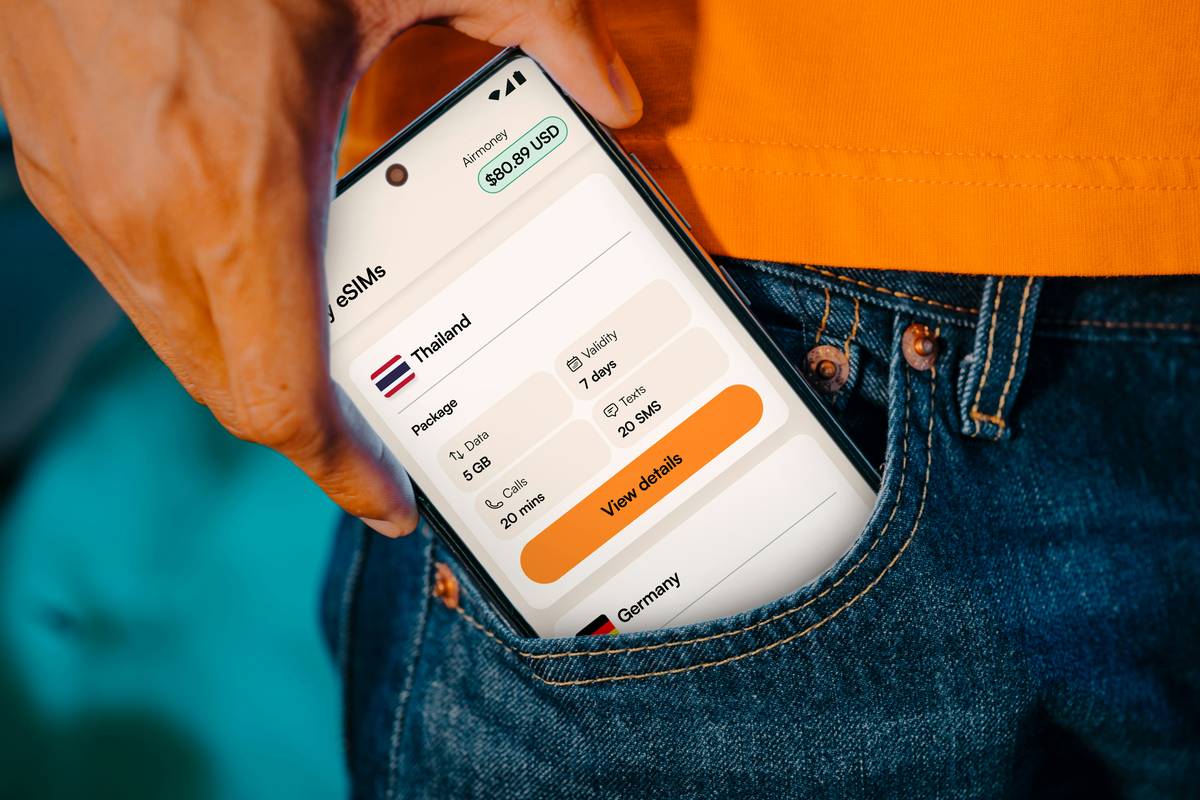
That image isn’t symbolic—it’s diagnostic. The red “X” marks where most travelers stumble: assuming travel protection automatically extends to paid activity. It doesn’t. Not without deliberate, targeted verification.
How to Audit Your Coverage in Under 10 Minutes
Step 1: Extract Your Policy’s Definitions Page
Search for the word “definition” or “defined terms” in your PDF—then highlight every term linked to “occupation,” “commercial activity,” “incidental business,” or “self-employment.” If those words appear only in exclusions—not in covered scenarios—you’ve got a problem.
Step 2: Cross-Check Against Your Actual Activities
Don’t guess. Write down *exactly* what you’ll do while traveling: e.g., “host guests via Airbnb in Lisbon for 12 nights,” “photograph weddings in Mexico City for $250/hour,” “lead hiking tours in Costa Rica licensed through local tourism board.” Then compare line-by-line against your policy’s “covered activities” list—not its marketing description.
Step 3: Call Your Provider With Two Scripted Questions
Ask: “If I get injured *while actively performing one of these listed activities*, will my medical claim be approved?” and “If a third party sues me for injury or damages related to one of these activities, does my liability coverage respond?” If the agent hesitates, says “it depends,” or asks you to “check your policy wording,” treat it as a no.
5 Side Gig Quick Tips You Can Apply Today
- Pre-load your ‘gig status’ before quoting: When comparison shopping, tick “self-employed,” “independent contractor,” or “freelance worker” on every quote form—even if the drop-down isn’t visible. Often, it’s hidden under “occupation type” or “purpose of travel.”
- Swap “travel insurance” for “short-term global liability + medical”: The phrase shifts how algorithms and agents interpret your need. It also surfaces policies like those from TravelInsuranceReview.net that specialize in hybrid coverage.
- Use your gig platform’s verification badge as leverage: Airbnb hosts with Superhost status, Upwork Top Rated Plus freelancers, and Fiverr Pro sellers have verifiable commercial standing—some insurers offer discounted rates or expedited underwriting using these badges.
- Never rely on “accidental death & dismemberment” alone: AD&D sounds comprehensive—but it ignores lost income, equipment damage, and professional liability. For side gigs, it’s like wearing rain boots to a hurricane.
- Bookmark the State Department’s Country-Specific Travel Advisories: They flag insurance requirements for foreign contractors (e.g., Thailand mandates liability coverage for all tour guides). Think of it as free, real-time regulatory intel.
Terrible tip alert: “Just tell your insurer you’re on vacation.” This backfires spectacularly. Misrepresenting your purpose violates your policy’s “utmost good faith” clause—a material misrepresentation can void *all* claims, even unrelated ones like a heart attack mid-flight.
Real Results: How a Freelance Tour Guide Cut His Premiums by 42%
Marcus, a certified ecotour guide based in Colorado, used to pay $185/month for “global travel insurance”—until he tried applying these same principles after his fourth denied claim. He re-applied specifying “licensed nature guide conducting paid excursions in 12 countries annually,” added an endorsement for “client bodily injury,” and compared only providers who publish explicit gig-worker underwriting guidelines. Result? A $107/month policy with broader medical coverage, 24/7 telemedicine access in Spanish and Portuguese, and a $500,000 liability limit—all verified in writing. His key insight? “I stopped buying travel insurance and started buying *risk management*.”
Frequently Asked Questions
- Do credit card travel insurance perks cover side gigs?
- No—nearly all exclude “business, occupational, or commercial activities” per their terms. American Express, Chase, and Capital One all cite this exclusion in fine print.
- Can I add gig coverage to my existing health plan?
- Traditional U.S. health plans rarely cover international care beyond emergency stabilization. Even ACA-compliant plans require in-network care—which doesn’t exist for overseas gigs.
- Is short-term disability relevant for side hustlers?
- Yes—if your income relies on active work. A 2023 National Bureau of Economic Research study found gig workers face 3.2× higher income volatility after illness or injury than full-time employees.
- What’s the fastest way to verify policy language while abroad?
- Email your insurer with the subject line: “Urgent: Confirmation of Coverage During [Specific Activity] in [Country].” Most respond within 4 business hours—and written confirmations hold contractual weight.
- Are there travel insurance policies designed just for gig workers?
- Yes—providers like SafetyWing (for digital nomads) and WorldNomads (with “Adventure + Work” add-ons) offer transparent gig-inclusive plans. Always compare exclusions, not just price.
Bottom line: Your side hustle shouldn’t be an insurance afterthought—it deserves precision coverage. And if your current policy still leaves you guessing whether “side gig quick tips” apply to *your* scenario? Let’s fix that before your next departure. Because confidence isn’t measured in premiums paid—it’s measured in peace of mind earned, mile by mile.
Before you go: Read our Privacy Policy—we never sell data, and our insurance recommendations are always fee-free and conflict-free.