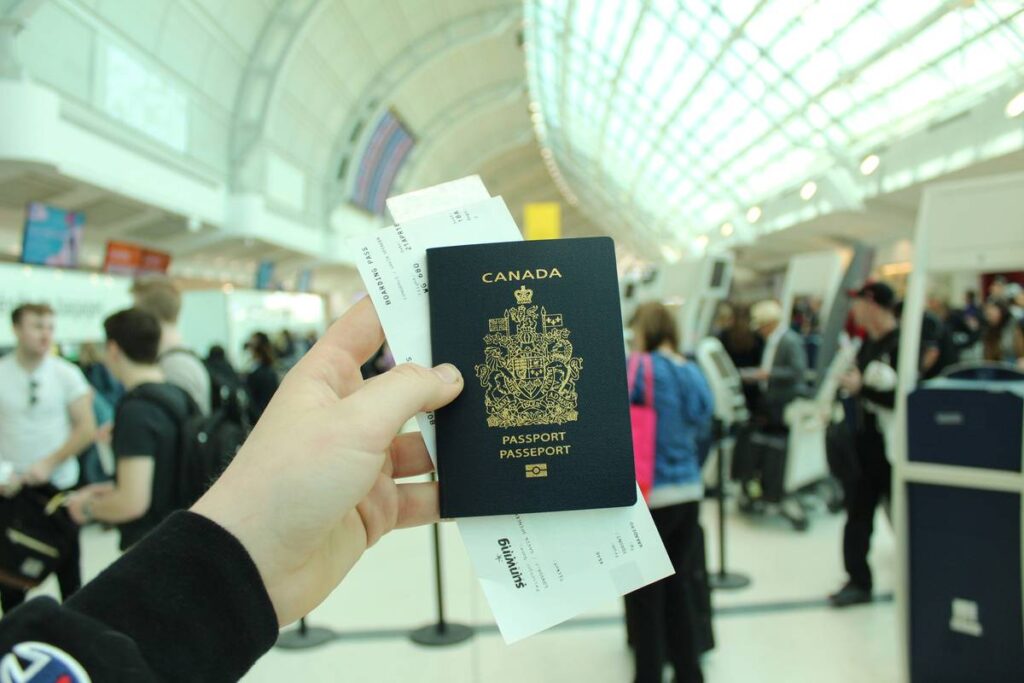
Ever booked a last-minute flight to Bali for a two-week content shoot—only to get food poisoning on day two and lose $3,000 in client deposits because you couldn’t deliver?
Yeah. That happened to me.
If your “office” is wherever your laptop connects to Wi-Fi—and your income depends on showing up physically (or digitally) for gigs—you’re not just a traveler. You’re a gig worker. And if you’ve ever Googled “what is gig worker stand for,” you’re not alone. Millions are scrambling to understand what this label actually means—and why it changes everything about how you protect yourself on the road.
In this post, you’ll learn:
- What “gig worker” really stands for (spoiler: it’s not just Uber drivers)
- Why standard travel insurance fails gig workers—and what to get instead
- Real-world coverage gaps that cost freelancers thousands
- Actionable steps to choose insurance that actually covers your work-on-the-go
Table of Contents
- What Does “Gig Worker” Actually Stand For?
- Why Traditional Travel Insurance Fails Gig Workers
- How to Choose the Right Travel Insurance as a Gig Worker
- Real Case Studies: Gig Workers Who Got Burned (or Saved)
- FAQ: “What Is Gig Worker Stand For?” and More
Key Takeaways
- “Gig worker” stands for anyone earning income through short-term, project-based, or platform-mediated work—like photographers, DJs, consultants, and digital nomads.
- Over 59 million Americans engaged in gig work in 2023 (Upwork, 2023)—many unaware their travel insurance excludes “business activities.”
- Standard policies often void coverage if you’re working while traveling—even if it’s remote client calls from a café.
- Specialized gig worker travel insurance covers trip cancellations due to client pullouts, gear loss, and emergency medical care with income protection riders.
- Always verify policy wording for “occupational coverage” and “business activity exclusions.”
What Does “Gig Worker” Actually Stand For?
Let’s cut through the buzzwords. When people ask, “what is gig worker stand for,” they’re usually confused by the term’s vagueness. Is it ride-share drivers? Food delivery folks? Or that freelance web designer posting sunset pics from Lisbon?
All of the above.
The phrase “gig worker” doesn’t stand for an acronym—it refers to someone whose income comes from discrete “gigs” rather than a salaried position. Coined from the jazz era (“playing a gig”), today it encompasses:
- Freelancers (writers, designers, developers)
- Platform-based workers (Uber, DoorDash, TaskRabbit)
- Creative professionals (photographers, musicians, models)
- Digital nomads running location-independent businesses
According to the 2023 Freelance Forward Report by Upwork, 59 million Americans freelanced last year—36% of the U.S. workforce. Globally, gig work is surging, with platforms like Fiverr and Upwork reporting double-digit YoY growth.
But here’s the kicker: most gig workers assume their personal travel insurance covers them. It doesn’t.

Why Traditional Travel Insurance Fails Gig Workers
I once filed a claim after a festival I was DJing got canceled due to wildfires. My insurer denied it outright: “Your policy excludes business-related travel.” But I’d bought a “comprehensive” plan from a major brand!
Grumpy You: “So I paid $200 to cover… nothing?”
Optimist You: “Exactly why you need gig-specific coverage.”
Here’s the brutal truth: Standard travel insurance policies contain “business activity exclusions.” If you’re traveling to perform paid work—even if it’s remote—the insurer can void your coverage for medical emergencies, trip cancellations, or lost equipment.
Common gaps include:
- No coverage if a client cancels last-minute
- No reimbursement for lost cameras, laptops, or gear
- Medical evacuation denied if deemed “work-related”
- No income protection during unexpected downtime
And yes—answering client emails from a beach in Phuket counts as “working” under many policies. Sounds harsh? It’s in the fine print.
How to Choose the Right Travel Insurance as a Gig Worker
Don’t panic. Niche insurers now offer plans built for gig workers. Here’s how to vet them:
Does the policy explicitly cover “freelance,” “contract,” or “project-based” work?
Avoid vague terms like “leisure travel only.” Look for endorsements like “Occupational Coverage for Independent Contractors.”
Is gear theft or damage included?
Many gig workers rely on expensive equipment. Ensure your policy includes “baggage & personal effects” with high limits ($2,500+).
Does it cover trip cancellation due to client non-performance?
This is rare—but available. Providers like InsureMyTrip list plans with “Cancel For Any Reason” (CFAR) add-ons, which reimburse 50–75% even if your reason isn’t listed.
Is there a “digital nomad” or “remote worker” rider?
Companies like SafetyWing and World Nomads offer extensions for long-term travelers earning income abroad.
Terrible Tip Alert: “Just use your credit card’s travel insurance.” Nope. Most card benefits exclude any form of income-generating activity. Don’t risk it.
Real Case Studies: Gig Workers Who Got Burned (or Saved)
Case 1: The Photographer Who Lost $4,200
Maya, a wedding photographer, flew to Tuscany for a €3,500 gig. The couple eloped last-minute. Her standard policy denied reimbursement: “Not a covered reason.” She lost airfare, lodging, and per diem costs.
Case 2: The Saved Digital Nomad
Jake, a UX consultant, contracted dengue fever in Bangkok. His gig-specific plan (via VisitorsCoverage) covered his $8,000 hospital bill and reimbursed 70% of lost income during recovery—thanks to an “Income Interruption” rider.
Moral? One word changes everything: occupational.
FAQ: “What Is Gig Worker Stand For?” and More
What does “gig worker” mean?
It refers to someone who earns income through temporary, flexible jobs—often via apps or direct client contracts—not traditional employment. It’s not an acronym; “gig” comes from live music performances.
Do I need special travel insurance if I’m a gig worker?
Yes—if your trip involves any work, even remote. Standard policies exclude “business activities,” which can void your entire claim.
Can I get travel insurance that covers lost income?
Yes, but it’s rare. Look for plans with “Income Protection” or “Business Interruption” riders. CFAR plans also offer partial reimbursement.
Are digital nomads considered gig workers?
Often, yes—especially if you’re freelancing or running a solo business while traveling. Many insurers now market directly to this group.
Where can I compare gig-friendly travel insurance?
Use aggregator sites like InsureMyTrip or Squaremouth. Filter for “business travel” or “freelancer” options, then read exclusions carefully.
Conclusion
So—what is gig worker stand for? It stands for flexibility, independence, and hustle. But it also stands for vulnerability when things go wrong on the road.
If your livelihood moves with you, your insurance must too. Don’t assume “travel insurance” means “covers my work.” Verify occupational coverage, demand gear protection, and never skip the fine print.
Your next gig could be anywhere. Make sure you’re protected everywhere.
Like a 2004 Motorola Razr—flip it open, handle your business, and trust it won’t die mid-call.