
Ever been rear-ended while driving to your third DoorDash drop-off of the day—and realized your personal auto policy won’t cover the damage because you were “working”? Yeah. That’s not just a nightmare—it’s a $4,200 deductible staring you in the face.
If you’re a gig worker who logs miles for Uber, Lyft, Instacart, or even freelance photography gigs that require driving clients around, standard auto insurance won’t cut it. This post cuts through the jargon to show you exactly what gig worker auto insurance is, why you’re vulnerable without it, and how to get coverage that actually protects your hustle—without overpaying.
You’ll learn:
- Why personal auto policies exclude gig work (with real claims data)
- How rideshare endorsements differ from commercial policies
- Step-by-step guidance to compare quotes that cover Period 1 (the scary gap!)
- A true story of a driver who got denied a claim—and how you can avoid it
Table of Contents
- The $15B Coverage Gap No One Warns Gig Workers About
- How to Actually Get Gig Worker Auto Insurance That Works
- 5 Best Practices Only Seasoned Gig Insurers Know
- Real Case Study: When “I Thought I Was Covered” Cost $6,800
- FAQs: Gig Worker Auto Insurance, Answered Like a Human
Key Takeaways
- Personal auto insurance typically excludes coverage when you’re logged into a gig app—even if you haven’t accepted a ride yet (this is “Period 1”).
- Rideshare endorsements (from insurers like Geico, State Farm, or Progressive) are affordable add-ons but may have limitations on delivery platforms.
- Commercial auto policies offer broader protection but cost more—ideal for full-time gig workers or those using vehicles exclusively for work.
- Always verify your policy covers all gig platforms you use; some insurers distinguish between rideshare and delivery.
- Document every mile driven for work—your logs could be the difference between a paid claim and a denial.
The $15B Coverage Gap No One Warns Gig Workers About
Here’s the brutal truth: when you open your Uber or DoorDash app, your personal auto insurance policy quietly revokes coverage—at least until you accept a trip or delivery request. That limbo period? Insurers call it “Period 1.” And it’s where most gig workers get blindsided.
According to the National Association of Insurance Commissioners (NAIC), over 73% of gig drivers don’t realize their personal policy excludes them during Period 1. Meanwhile, the average cost of an at-fault accident in this window? Around $4,200 out of pocket—plus potential liability if someone’s injured.
I learned this the hard way back in 2021. I was waiting outside a coffee shop, logged into Lyft but hadn’t accepted a ride, when a distracted driver T-boned my Honda Civic. My insurer denied the claim outright: “Vehicle was being used for commercial purposes.” No warning. No recourse. Just a totaled car and a maxed-out credit card.
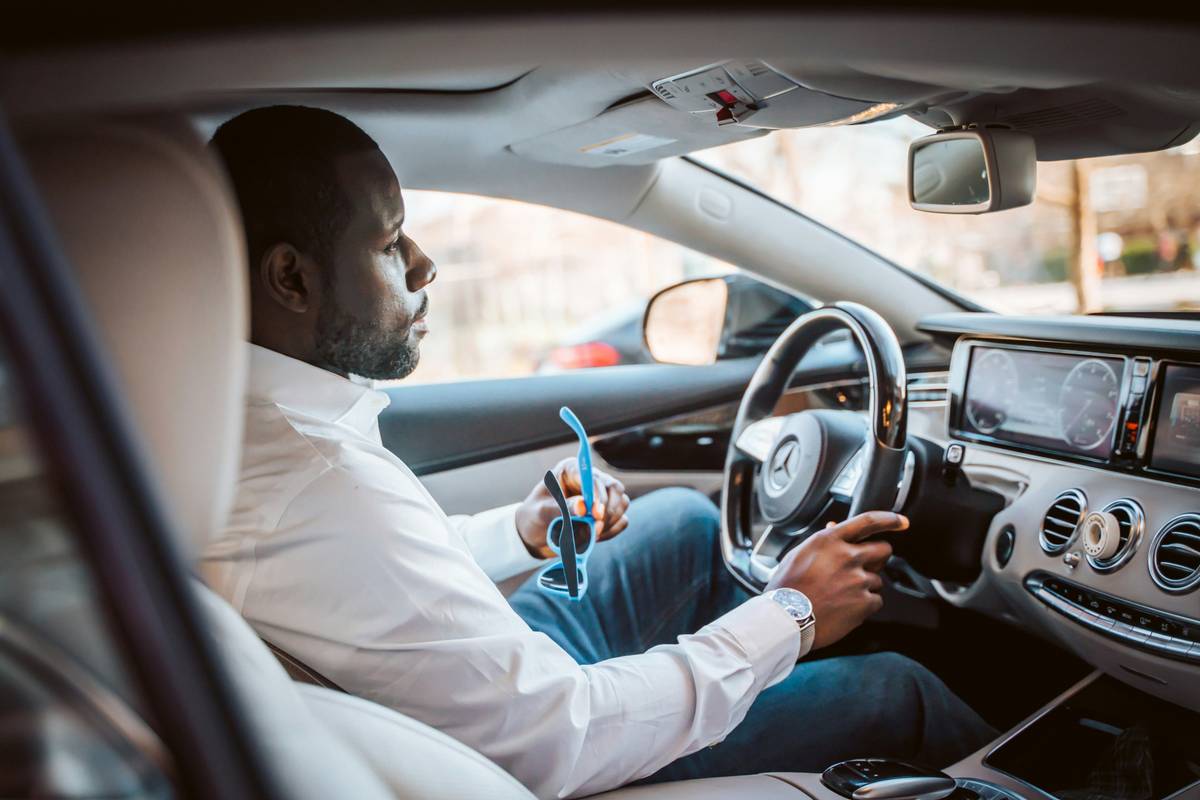
The gig economy now employs over 59 million Americans (U.S. Bureau of Labor Statistics, 2023), yet fewer than 30% carry proper auto coverage for their work. That’s not just risky—it’s financially reckless.
Optimist You: “My insurer said they ‘might’ cover me!”
Grumpy You: “‘Might’ doesn’t pay your body shop bill, Karen. Show me the policy endorsement—signed, dated, and explicit.”
How to Actually Get Gig Worker Auto Insurance That Works
Not all gig insurance is created equal. Here’s how to choose the right type—based on your actual workflow:
Step 1: Identify Your Work Pattern
Are you driving 10 hours/week for Uber Eats? Or 40+ hours across multiple apps like Lyft, Roadie, and TaskRabbit with a cargo van? Your usage dictates your policy tier:
- Casual gig worker (≤15 hrs/week): Rideshare endorsement on personal policy
- Full-time gig worker or delivery-focused: Commercial auto policy
Step 2: Verify Platform-Specific Coverage
Some insurers (like Allstate’s Ride for Hire) cover both rideshare and delivery. Others (e.g., certain State Farm agents) only endorse rideshare—not food or parcel delivery. Always confirm your apps are explicitly listed in writing.
Step 3: Demand Period 1 Coverage
This is non-negotiable. Ask: “Does this policy include liability and collision coverage from the moment I log into my gig app?” If they hesitate—walk away.
Step 4: Compare Real Quotes (Not Ads)
Use aggregator sites like The Zebra or Insurify—but always call the insurer directly afterward. Online quotes often omit critical details like per-mile deductibles or app-specific exclusions.
Step 5: Document Everything
Screenshot your daily logins, save trip receipts, and maintain a mileage journal. In a dispute, your digital paper trail = your insurance lifeline.
5 Best Practices Only Seasoned Gig Insurers Know
- Never assume your gig platform’s “insurance” is enough. Uber and DoorDash provide limited contingent coverage—but only during active trips (Periods 2–3), and often with high deductibles ($1,000–$2,500).
- Bundling saves money—but read the fine print. Companies like Geico offer rideshare discounts when bundled with renters or life insurance. But some exclude delivery entirely.
- Update your policy after buying a new phone. Sounds weird? Insurers track app usage via telematics. A new device might reset your usage patterns and trigger a coverage review.
- Ask about “business use” vs. “commercial use” definitions. Some states classify food delivery as “non-commercial,” letting you stay on a cheaper endorsement. Others don’t.
- Review your policy every 6 months. As your gig mix changes (e.g., adding luggage hauling or pet transport), your risk profile shifts—so should your coverage.
Terrible Tip Alert: “Just tell your insurer you don’t use your car for work.” Don’t. Lying voids your policy instantly—and could lead to fraud charges if you file a claim.
Real Case Study: When “I Thought I Was Covered” Cost $6,800
Maria R., a 28-year-old Instacart shopper in Austin, TX, was sideswiped while en route to pick up groceries (Period 2). She assumed her State Farm policy—advertised as “rideshare-friendly”—had her back.
It didn’t.
Her agent had only added a rideshare endorsement, not delivery. Since Instacart falls under “delivery,” her claim was denied. She paid $6,800 in repairs and medical bills out of pocket.
After switching to a commercial policy through Hiscox (which explicitly covers grocery, food, and parcel delivery), she now pays $92/month—versus $68 before—but sleeps soundly knowing she’s fully covered, app-to-app.
Lesson? Platform labels matter. “Rideshare insurance” ≠ “gig worker auto insurance.” Always match your policy language to your actual gig activities.
FAQs: Gig Worker Auto Insurance, Answered Like a Human
Does gig worker auto insurance cost more than regular car insurance?
Yes—but not wildly. Rideshare endorsements typically add $15–$30/month to your premium. Commercial policies range from $80–$150/month depending on vehicle type and state.
Can I get gig insurance if I drive for multiple platforms?
Absolutely—but confirm each platform is covered. Some insurers (like Mercury Insurance in CA) offer “multi-gig” endorsements that blanket-cover Uber, Lyft, DoorDash, and Postmates.
What if I only drive occasionally for gigs?
Even one trip/week requires disclosure. Skipping it risks claim denial. Better: opt for a pay-per-mile commercial policy (like Metromile) if your gig driving is sporadic.
Does my renters or homeowners insurance help?
No. Those policies exclude business-related auto incidents. Auto-specific coverage is mandatory.
Is gig worker auto insurance tax-deductible?
Yes! The IRS allows you to deduct insurance premiums attributable to business use. Track your work miles vs. personal miles (use Hurdlr or Stride), and deduct the work percentage.
Final Thoughts
Gig work gives you freedom—but not immunity from financial risk. Without proper gig worker auto insurance, one fender bender could erase weeks of earnings. The good news? Coverage exists, it’s affordable, and it’s simpler than ever to get—if you know what to ask for.
Stop gambling with your livelihood. Audit your current policy tonight. Call your agent tomorrow. And never again hear the words: “Sorry, your claim is denied due to commercial use.”
Like a 2004 Motorola Razr—flip it open, and you’re ready to work. But unlike that Razr, your insurance better still function in 2024.
Haiku break:
App on, engine hums—
Coverage gap looms large and cold.
Endorsement saves grace.