
If you’re driving for Uber, delivering groceries with DoorDash, or shuttling packages for Amazon Flex, here’s a hard truth: your personal auto policy likely won’t cover you the moment you log in to accept a gig. I learned this the painful way—after a fender-bender during a late-night delivery shift left me footing a $3,200 repair bill because my insurer deemed it “commercial use.” Don’t let that happen to you. This guide cuts through the confusion around gig work car insurance, offering actionable steps, real-world insights, and coverage strategies tailored to side-hustle drivers.
Table of Contents
- Why Gig Work Car Insurance Matters
- Step-by-Step Guide to Getting Covered
- Best Practices for Gig Driver Coverage
- Real-World Case Studies
- Frequently Asked Questions
Key Takeaways
- Personal auto policies typically exclude coverage once you’re logged into a gig app—even if you haven’t accepted a ride or delivery yet.
- Specialized gig work car insurance fills critical gaps between personal and commercial policies.
- Major insurers like Geico, State Farm, and Progressive offer rideshare endorsements or standalone gig coverage.
- Always verify whether your chosen plan covers Period 1 (logged in, no trip assigned).
- Track mileage and receipts meticulously—many gig platforms don’t report accurate usage data to insurers.
Why Gig Work Car Insurance Matters
The gig economy’s growth is explosive: over 59 million Americans freelanced in 2023, with millions using their vehicles as mobile offices (Upwork, 2023). Yet most gig workers operate under a dangerous misconception—that their standard car insurance will protect them while hustling. It usually won’t.
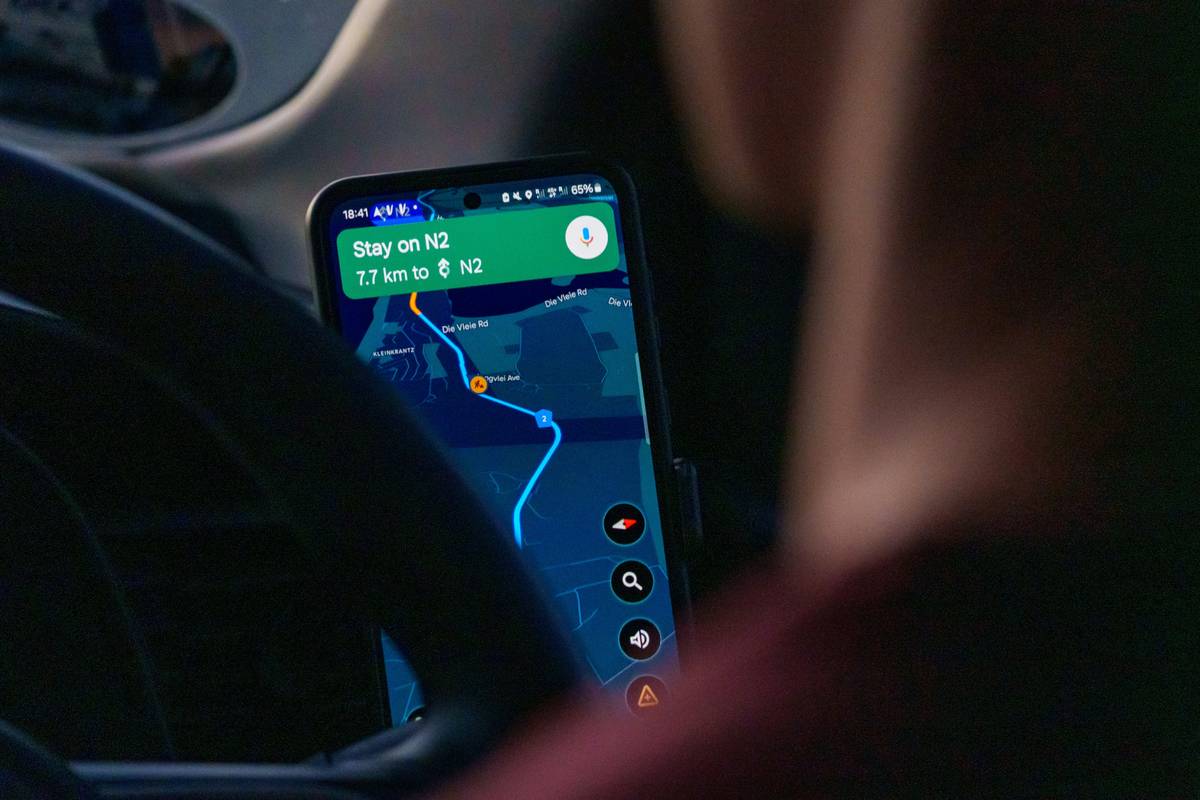
Insurance companies divide gig driving into three periods:
- Period 0: App off—personal coverage applies.
- Period 1: App on, waiting for request—often excluded by personal policies.
- Periods 2 & 3: Trip accepted to drop-off—covered by the platform’s commercial insurance (though deductibles can be high).
The gap in Period 1 is where most claims get denied. Without proper gig work car insurance, a simple collision while waiting for your next delivery could bankrupt you.
Step-by-Step Guide to Getting Covered
1. Audit Your Current Policy
Call your insurer and ask: “Does my policy cover me when I’m logged into a rideshare or delivery app but haven’t accepted a job?” Get the answer in writing.
2. Compare Rideshare Endorsements vs. Gig-Specific Policies
Many traditional insurers (like Geico) sell add-on endorsements. Others offer full gig-focused policies. Weigh premiums, deductibles, and Period 1 coverage carefully.
3. Disclose Accurate Usage Data
Don’t guess your weekly mileage. Pull reports from your gig apps or use a mileage tracker. Underreporting risks policy cancellation if you file a claim.
4. Bundle Smartly
If you also rent out your car via Turo or Getaround, confirm whether your gig policy extends to peer-to-peer rentals—it often doesn’t.
Best Practices for Gig Driver Coverage
- Never assume platform coverage is enough. Uber and Lyft provide liability coverage during trips, but property damage deductibles can hit $1,000–$2,500.
- Read the fine print on “period gaps.” Some policies only activate after 6 seconds of accepting a request—not instantly.
- Avoid this terrible tip: “Just tell your insurer you drive for fun.” Fraudulent misrepresentation voids coverage and may lead to legal action.
- Review coverage quarterly. Seasonal gig surges (e.g., holidays) can alter your risk profile.
Real-World Case Studies
Case 1: Maria, a DoorDash driver in Austin, got rear-ended while waiting for her next order. Her personal insurer denied the claim. After switching to a gig endorsement ($18/month extra), her next incident—a scraped bumper during a grocery run—was covered with a $250 deductible.
Case 2: James drove for Uber Eats and Instacart simultaneously. His insurer dropped him after noticing dual-app usage flagged as “high-risk commercial activity.” He now uses a specialized provider catering to multi-platform gig workers, which you can learn more about on our About Us page.
Frequently Asked Questions
Does gig work car insurance cost more than regular auto insurance?
Typically yes—but not dramatically. Most endorsements add $10–$30 monthly. Standalone gig policies range from $50–$120/month depending on location and vehicle.
Can I use business car insurance instead?
Commercial auto policies are overkill (and overpriced) for part-time gig work. They’re designed for full-time delivery fleets, not solo side hustlers.
What if I only drive occasionally for gigs?
Even occasional use triggers the Period 1 gap. If you’ve driven for pay once this year, you need proper coverage. Check your state’s regulations—some (like California) mandate disclosure regardless of frequency.
Does my credit score affect gig insurance rates?
In most states, yes. Insurers use credit-based insurance scores to assess risk. Improve your score before applying to lower premiums.
Where can I compare gig work car insurance quotes?
Start with major providers like State Farm, Allstate, and Progressive. For niche options, visit the National Association of Insurance Commissioners’ consumer portal (naic.org). Always confirm they explicitly mention “gig,” “rideshare,” or “delivery driver” coverage.
How do I update my policy if I change gig platforms?
Contact your insurer immediately. Switching from food delivery to passenger transport changes your risk classification. Failure to disclose could void future claims.
Still unsure which plan fits your hustle? Reach out—we’ve helped hundreds of gig workers navigate coverage chaos. Visit our Contact Us page for a no-pressure consultation. And remember: your privacy matters. All conversations adhere to our strict Privacy Policy.
Final thought: Insurance isn’t a cost—it’s your license to keep hustling without fear. Drive smart, stay covered, and never let a gap in paperwork ground your side gig.