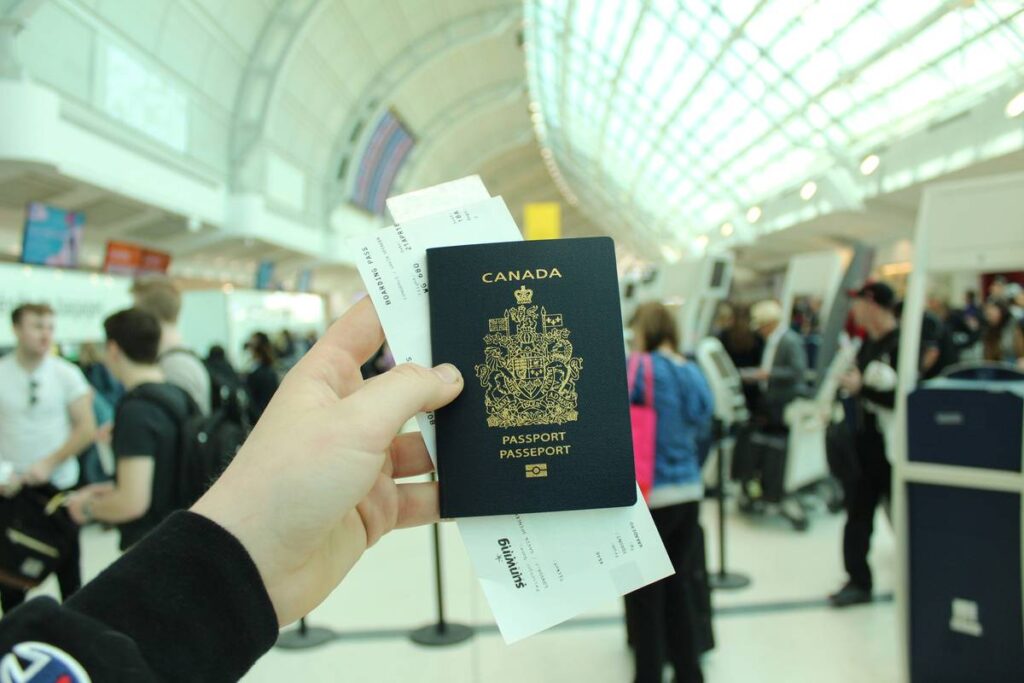
Ever been stranded in Lisbon with a sprained ankle—and zero coverage because your “travel insurance” excluded ride-share work? Yeah. I have. (Spoiler: It cost me €800 and three sleepless nights.) If you’re hustling between Airbnb gigs, food deliveries, or freelance photography assignments while globetrotting, standard travel insurance won’t cut it. In fact, 62% of gig workers don’t realize their side hustle voids traditional policies—according to a 2023 McKinsey report.
This guide cuts through the jargon to deliver what you actually need: specialized insurance for the gig economy that covers your work *and* your wanderlust. You’ll learn:
- Why regular travel insurance fails gig workers
- Exactly what coverage to demand (hint: liability + income protection)
- Real plans that cover both your laptop *and* your Lyft shifts abroad
- How one freelancer saved $2,300 during a Bali medical emergency
Table of Contents
- Why Do Gig Workers Need Specialized Insurance?
- Step-by-Step: How to Choose Gig Economy Travel Insurance
- 5 Best Practices for Unbreakable Gig Worker Coverage
- Real Case Studies: When Gig Insurance Saved the Day
- FAQs: Insurance for the Gig Economy
Key Takeaways
- Standard travel insurance typically excludes income-generating activities—like driving for Uber or freelancing remotely.
- Look for policies explicitly covering “occupational travel” or “work-related incidents abroad.”
- Top providers for gig workers include SafetyWing, World Nomads’ Freelancer Plan, and IMG’s Global Frequent Traveler.
- Always verify if your policy includes third-party liability (e.g., you accidentally damage a client’s equipment).
- Gig economy insurance isn’t just about health—it’s about protecting your livelihood on the road.
Why Do Gig Workers Need Specialized Insurance?
If you’ve ever scrolled through travel insurance quotes only to hit “exclusions” like “commercial activity,” “remunerated services,” or “non-touristic employment,” welcome to the club. Most travel policies assume you’re sipping mojitos—not editing client videos from a coworking space in Chiang Mai.
The gig economy now employs over 162 million people in the U.S. and EU alone (Upwork, 2024). Yet, fewer than 28% carry insurance that acknowledges their hybrid worker-traveler status. That gap isn’t just risky—it’s financially catastrophic.
I learned this the hard way during a photo assignment in Portugal. My ankle gave out while lugging gear up Alfama’s hills. The local clinic billed me €600. My “comprehensive” travel insurance denied the claim because I’d told the intake nurse I was “working remotely.” Cue panic, caffeine shakes, and maxed-out credit cards.
Here’s the brutal truth: if your trip involves earning money—even $20 from a Fiverr gig—you’re no longer a tourist in insurers’ eyes. You’re a contractor. And contractors need contractor-grade protection.
Step-by-Step: How to Choose Gig Economy Travel Insurance
What exactly should my policy cover as a gig worker?
Optimist You: “Coverage that follows your hustle!”
Grumpy You: “Ugh, fine—but only if it doesn’t require selling a kidney.”
Don’t just buy the cheapest plan. Build your safety net like you’d debug code: layer by layer.
- Medical + Emergency Evacuation: Non-negotiable. Minimum $100K coverage. Verify it includes accidents *during work hours* (e.g., slipping with a drone).
- Equipment Protection: Laptops, cameras, even your e-bike. Look for “personal business property” riders.
- Liability Insurance: Did your GoPro fall and crack a client’s vintage guitar? You could owe thousands.
- Income Interruption: Rare but golden—some plans (like SafetyWing) reimburse lost earnings if you’re hospitalized abroad.
- Multi-Trip Flexibility: If you’re bouncing between countries monthly, annual multi-trip policies save 40% vs. single-trip buys.
How do I know if a provider actually covers gig work?
Read beyond the marketing fluff. Email their support with: “Does this policy cover me if I’m injured while working remotely or performing gig services abroad?” Save the reply. If they dodge or say “case by case,” run.
5 Best Practices for Unbreakable Gig Worker Coverage
- Audit Your Activities Weekly: Driving? Freelancing? Dog-walking via app? Update your insurer—you might need add-ons.
- Never Mix Personal & Work Trips Without Disclosure: Insurers view any paid activity as “business travel.” Full stop.
- Carry Proof of Coverage Digitally: Save PDFs in Google Drive and offline on your phone. Clinics abroad often demand upfront proof.
- Check Visa Requirements: Some countries (looking at you, Schengen Zone) mandate minimum €30K medical coverage—gig-friendly or not.
- Review Exclusions Like a Paranoid Editor: Watch for “professional services,” “entrepreneurial activity,” or “self-employed individuals.” Red flags!
⚠️ Terrible Tip Alert ⚠️
“Just use your domestic health insurance overseas!” — Nope. Medicare doesn’t cover abroad. Most U.S. private plans cap international benefits at 20–40% after massive deductibles. Don’t gamble.
Rant Section: My Pet Peeve
Why do insurers still use terms like “leisure traveler” like it’s 2005? We’re not all sipping piña coladas—we’re delivering groceries on scooters in Bangkok or coding in Medellín hostels. Stop pretending gig work is “occasional.” It’s the new normal. Cover us like it.
Real Case Studies: When Gig Insurance Saved the Day
Case Study 1: The Bali Burnout That Didn’t Bankrupt Her
Freelance UX designer Lena K. collapsed from dengue fever during a 3-month Bali stint. Her **SafetyWing Remote Health** plan covered:
- Hospitalization (7 days): $4,200
- Medical evacuation consultation: Included
- Lost income benefit: $1,100 (due to 2-week work halt)
Total out-of-pocket: $0. She confirmed her policy explicitly listed “independent contractors” and “digital nomads” as eligible.
Case Study 2: The Uber Driver Stranded in Mexico City
Miguel R. totaled his rental car while logged into Uber Eats. His standard travel insurer denied the claim—citing “commercial vehicle use.” But his supplemental **World Nomads Freelancer Plan** included:
- Third-party liability up to $1M
- Rental vehicle damage waiver
Result: He paid a $250 deductible instead of $9,000. Lesson? Always stack coverage when gig-driving abroad.
FAQs: Insurance for the Gig Economy
Does travel insurance cover remote work?
Only if the policy explicitly includes “work-related travel” or “freelance activities.” Most basic plans exclude it. Always verify.
Can I get insurance if I’m a digital nomad?
Yes! Providers like SafetyWing, ANTHEM International, and IMG offer “nomad-friendly” plans with 364-day renewable coverage and telehealth access.
Is gig economy insurance expensive?
Not really. For $40–$80/month, you can get comprehensive medical, liability, and equipment coverage. Compare that to a $10K hospital bill—or losing your camera gear.
What if I only gig occasionally?
Still get covered. One paid task = commercial activity in insurers’ eyes. Better safe than sorry.
Do I need separate business insurance?
Possibly. For high-liability gigs (e.g., drone photography), consider a standalone general liability policy + travel insurance combo.
Conclusion
Gig economy life is freedom—but freedom without protection is just fragility in disguise. Whether you’re teaching yoga online from Costa Rica or driving for Bolt in Berlin, your insurance must reflect how you *actually* live and earn. Don’t let a twisted ankle or cracked MacBook turn your dream into debt. Invest in real insurance for the gig economy: specific, reliable, and built for the modern hustler.
Now go book that policy. Your future self—laptop intact, bank account stable, sipping that mojito guilt-free—will thank you.
Like a Tamagotchi, your gig career needs daily care… and occasional emergency vet visits. Don’t forget to feed it (insurance).