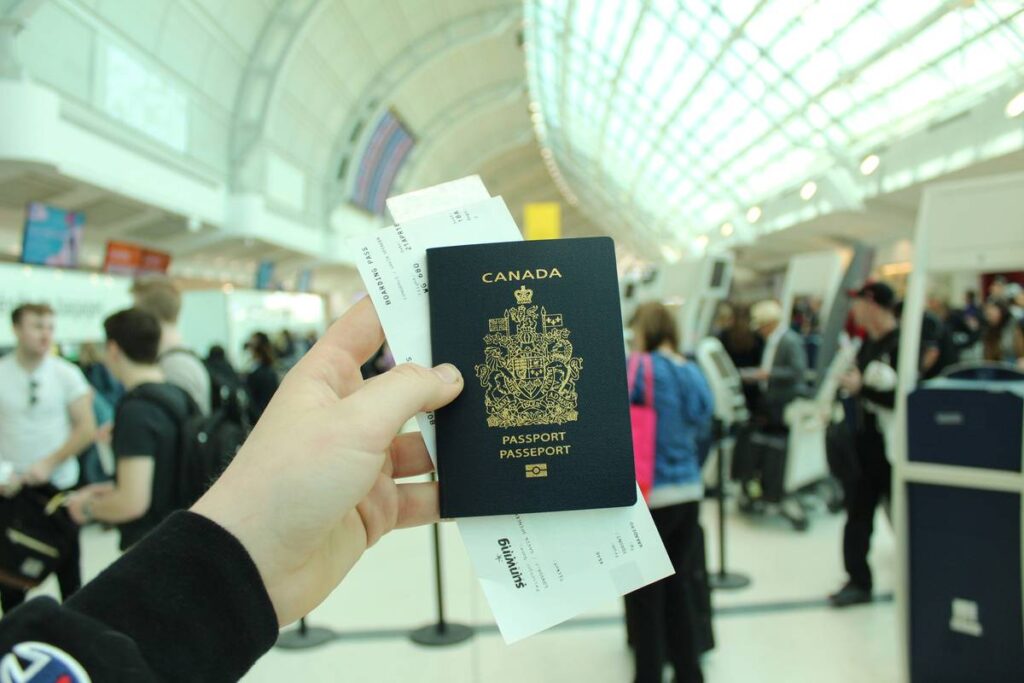
What if your scooter breaks down in Lisbon, your phone gets snatched in Bangkok—and your $300 “travel insurance” policy vanishes like free airport Wi-Fi? Worse: you’re a gig worker with zero employer benefits. No PTO. No health plan. Just you, your laptop, and the cruel irony that “freedom” feels like walking a tightrope without a net.
If you’ve ever booked a one-way ticket thinking, “I’ll figure it out,” this post is your wake-up call wrapped in actionable strategy. We’re diving deep into gig safety net worker how to—not as a buzzword, but as a survival kit for digital nomads, freelance photographers, ride-share drivers abroad, and every independent earner who trades 9-to-5 for timezone hopping.
In this guide, you’ll learn:
- Why standard travel insurance fails gig workers (hint: it excludes “occupational” activities)
- How to choose coverage that actually protects your income & gear
- Real-world examples where the right policy saved freelancers thousands
- Step-by-step setup so you never face a hospital bill alone again
Table of Contents
- The Gig Travel Trap: Why “Standard” Insurance Leaves You Naked
- How to Build Your Gig Safety Net (Without Selling a Kidney)
- 5 Pro Tips Most Gig Workers Ignore (Until It’s Too Late)
- Real Stories: When the Right Policy Paid Off Big Time
- FAQs About Gig Worker Travel Insurance
Key Takeaways
- Standard travel insurance often excludes work-related injuries or gear damage for gig workers.
- Look for “personal business equipment” and “income protection” riders.
- World Nomads, SafetyWing, and Allianz offer gig-friendly plans—but read exclusions carefully.
- Always declare your work activity; lying voids coverage.
- Your safety net isn’t optional—it’s your business infrastructure.
The Gig Travel Trap: Why “Standard” Insurance Leaves You Naked
I once filmed a drone shoot over Santorini—blue skies, white roofs, perfect golden hour. Then my drone hit a thermal updraft and nosedived into the Aegean. Loss: $2,800. My “comprehensive” travel insurance? Denied the claim because I was “engaged in professional activity.” Translation: Because I got paid to fly it, they treated me like a commercial airline—not a solo freelancer with a GoPro and hope.
This isn’t rare. According to a 2023 Forbes Business Council report, 68% of gig workers traveling internationally assume their travel insurance covers work gear—only to discover exclusions buried in Section 7(c) after disaster strikes.

Standard policies define “leisure travel” very narrowly. If your trip involves any income-generating activity—even answering client emails from a café—you’re in gray territory. And insurers love grays. They profit from them.
How to Build Your Gig Safety Net (Without Selling a Kidney)
Optimist You: “Just buy the fancy policy!”
Grumpy You: “Ugh, fine—but only if coffee’s involved and it doesn’t cost half my Airbnb budget.”
Fair. Here’s how to build real protection without burning cash:
Step 1: Declare Your Gig Honestly
Tell the insurer what you *actually* do. Are you a freelance writer? UX designer? Food delivery cyclist in Berlin? Some policies cover “non-manual remote work” but exclude physical gigs (like driving). Others require add-ons for equipment. Transparency = valid claims.
Step 2: Demand These 3 Coverage Elements
- Personal Business Equipment (PBE): Covers laptops, cameras, drones up to a set limit (e.g., $3,000).
- Emergency Medical + Evacuation: Minimum $100K—because a broken arm in Bali shouldn’t bankrupt you.
- Trip Interruption for Work Reasons: Rare, but some plans (like SafetyWing’s Remote Health) include work-related cancellations.
Step 3: Compare Specialized Providers
- SafetyWing: Built for nomads. Covers medical, lost income (in select plans), and gear via third-party rider.
- World Nomads: Offers PBE coverage if you disclose your profession upfront.
- Allianz Global Assistance: Their “Business Travel” plan can be customized for independents—but requires proof of freelance status.
5 Pro Tips Most Gig Workers Ignore (Until It’s Too Late)
Let’s cut the fluff. Here’s what actually works:
- Bundle gear insurance separately if needed. Companies like Secura or InsureMyEquipment specialize in tech/gear—often cheaper than adding PBE to travel insurance.
- Never skip the “pre-existing condition” waiver. If you take meds or have chronic issues, waive this within 10–14 days of your first trip payment.
- Carry a PDF of your policy + insurer contact info offline. Airplane mode ≠ claim denial defense.
- Use a credit card with secondary coverage—but verify limits. Amex Platinum covers trip delay, but not your work laptop.
- Renew monthly if traveling long-term. SafetyWing bills monthly; World Nomads requires upfront purchase. Match your plan to your itinerary flexibility.
🚨 Terrible Tip Alert: “Just use your domestic health insurance abroad.”
Spoiler: Medicare doesn’t cover overseas care. Many private U.S. plans stop at the border. Don’t test this unless you enjoy six-digit bills.
Rant Corner: Why “Adventure Sports” Clauses Drive Me Nuts
Insurers love listing “extreme activities” as exclusions—then denying claims for riding a Lime scooter. Newsflash: A $0.50 electric scooter isn’t BASE jumping. Stop hiding behind vague wording. If your app says “work remotely from Costa Rica,” don’t pretend scooter falls are “high-risk recreation.” It’s predatory fine print disguised as caution.
Real Stories: When the Right Policy Paid Off Big Time
Case 1: Maria, Freelance Photographer (Thailand)
Her camera bag was stolen on a Bangkok tuk-tuk—$4,200 in gear gone. She’d purchased World Nomads with PBE coverage *and* disclosed her photography gig. Claim approved in 11 days. Without disclosure? Denied. Lesson: honesty isn’t just moral—it’s monetary.
Case 2: Dev, Software Consultant (Portugal)
Developed appendicitis in Lisbon. Local ER bill: €8,200. His SafetyWing plan covered 100% after deductible. Bonus: they arranged medical evacuation prep (though not needed). He resumed client calls from his hospital bed via Zoom.
These aren’t luck. They’re results of *intentional* safety net design.
FAQs About Gig Worker Travel Insurance
Does travel insurance cover lost income if I get sick abroad?
Standard plans? No. But SafetyWing’s “Income Protection” add-on (available in select regions) offers limited daily compensation for illness-induced work stoppage. Always confirm availability for your nationality.
Can I get coverage if I’m already traveling?
Yes—SafetyWing allows enrollment mid-trip. World Nomads does not. If you’re already abroad, act fast; pre-existing condition rules tighten.
Is drone insurance included?
Rarely. Most PBE clauses cap at $1,500–$3,000 and exclude “aerial devices.” Check exclusions. Consider standalone drone liability insurance (e.g., through UAV Coach).
Do I need business insurance *and* travel insurance?
Possibly. Business insurance (like Hiscox) covers liability; travel insurance covers medical/gear during trips. They complement each other—think of them as seatbelt + airbag.
Conclusion
Your gig is your livelihood—not a side quest. And your travel shouldn’t hinge on pray-and-hope mechanics. The gig safety net worker how to isn’t about fear—it’s about freedom with foundations. By choosing transparent, gig-aware coverage, declaring your work honestly, and layering protections where needed, you transform vulnerability into resilience.
So next time you book that flight, ask: “Does my safety net travel with me?” If the answer’s shaky, pause. Rebuild. Then go—fully covered, fully confident.
Like a Tamagotchi, your safety net needs daily care… or it dies when you need it most.