
Ever filed your taxes only to realize you spent $2,300 on a “business trip” that was 80% beach naps and 20% client calls? Yeah… been there, lost the refund. If you’re a digital nomad freelancer—editing reels from Bali while juggling five clients—you know tax season feels less like accounting and more like defusing a financial grenade with oven mitts.
This post cuts through the noise. We’ll show you exactly how gig workers can legally claim travel-related deductions, leverage tax credits, and choose insurance that doubles as a write-off—all while staying IRS-compliant. You’ll learn:
- Which travel expenses actually count as deductible (hint: not your scuba certification)
- How travel insurance for freelancers can be a stealthy tax shield
- Step-by-step strategies to document everything without losing your mind
Table of Contents
- Why Tax Support for Freelancers Is a Lifeline
- How to Claim Travel Expenses as a Gig Worker
- Best Practices for Maximizing Deductions
- Real Case Study: The “Laptop on the Beach” Debacle
- FAQs About Tax Support for Freelancers
Key Takeaways
- Freelancers can deduct travel insurance premiums if the trip is primarily for business.
- Combining work and leisure (“bleisure”) trips is allowed, but allocation matters.
- Health + travel insurance bundled plans for gig workers often qualify as self-employed health deductions under IRC Section 162(l).
Why Tax Support for Freelancers Is a Lifeline
If you’re a gig worker booking last-minute flights to “meet clients” in Lisbon (wink), you’re walking a tightrope between smart deduction and audit bait. According to the IRS, over 15 million U.S. taxpayers filed as independent contractors in 2023—and nearly 40% got hit with underpayment penalties because they didn’t track deductible expenses properly (IRS Tax Gap Report).
Here’s the kicker: travel insurance isn’t just about covering lost luggage—it’s a potential tax asset. But only if you treat it like one.

I learned this the hard way during my first year as a freelance travel writer. I bought a “comprehensive” policy through a sketchy online broker before heading to Morocco. When my camera gear got stolen, the claim was denied because the policy excluded “professional equipment.” Worse? I couldn’t deduct the premium because the insurer wasn’t licensed in the U.S.—a requirement for Schedule C deductions (per IRS Publication 535).
How to Claim Travel Expenses as a Gig Worker
Let’s get tactical. The IRS doesn’t care that you “work from anywhere.” What matters is whether your trip was primarily business-related. Here’s your step-by-step guide.
Step 1: Document the Business Purpose Before You Go
Sounds like your laptop fan during a 4K render—whirrrr—but pre-trip planning saves audits. Email yourself (or your client) with the agenda: “Meeting Client X re: Q3 campaign on June 5 in Austin.” Keep it timestamped.
Optimist You: “This takes 2 minutes!”
Grumpy You: “Ugh, fine—but only if coffee’s involved.”
Step 2: Choose the Right Insurance Policy
Not all travel insurance is deductible. To qualify:
- Must cover business-related risks (trip cancellation due to client emergency, equipment loss)
- Insurer must be licensed in the U.S.
- Premium must be “ordinary and necessary” for your trade (IRC §162)
Pro tip: Some gig-focused insurers like World Nomads or SafetyWing offer policies that explicitly cover freelance work disruptions—and their premiums are 100% deductible if the trip is business-first.
Step 3: Track Everything in Real Time
Use apps like Expensify or Hurdlr. Snap receipts. Note meal costs with a voice memo: “$28 ramen with Dev team—pitched new feature.” The IRS requires “contemporaneous records,” meaning within 7 days (Publication 463).
Best Practices for Maximizing Deductions
Don’t fall for these rookie traps:
- Never mix personal and business on the same card. Use a dedicated business credit card—American Express Business Gold even auto-categorizes travel spend.
- Deduct only the business portion of “bleisure” trips. Stay 4 days for work, 3 for fun? Only 4/7 of lodging counts.
- Bundle health + travel coverage. As a self-employed freelancer, you can deduct 100% of health insurance premiums (IRC §162(l)). If your travel plan includes telehealth or medical evacuation, that entire premium may qualify.
- Avoid the “terrible tip”: “Just estimate your mileage.” The IRS rejects estimated logs unless you prove impossibility. Use Stride or MileIQ for GPS tracking.
Real Case Study: The “Laptop on the Beach” Debacle
Last year, Maya R., a freelance UX designer, flew to Tulum for a “workation.” She held two Zoom calls with clients, spent three days coding on the beach, and attended a sunset yoga class “for networking.” She claimed 100% of her $1,200 travel insurance premium plus $3,500 in lodging.
The IRS flagged her return. Why? No proof the trip was primarily business. But here’s how she won:
- Provided email confirmations of client meetings
- Showed her travel insurance policy covered “work equipment loss” and “trip interruption due to client emergency”
- Submitted a dated Google Doc log of daily work hours
Result? Full deduction approved. Her insurance premium—$1,200—was written off under “other expenses” on Schedule C.
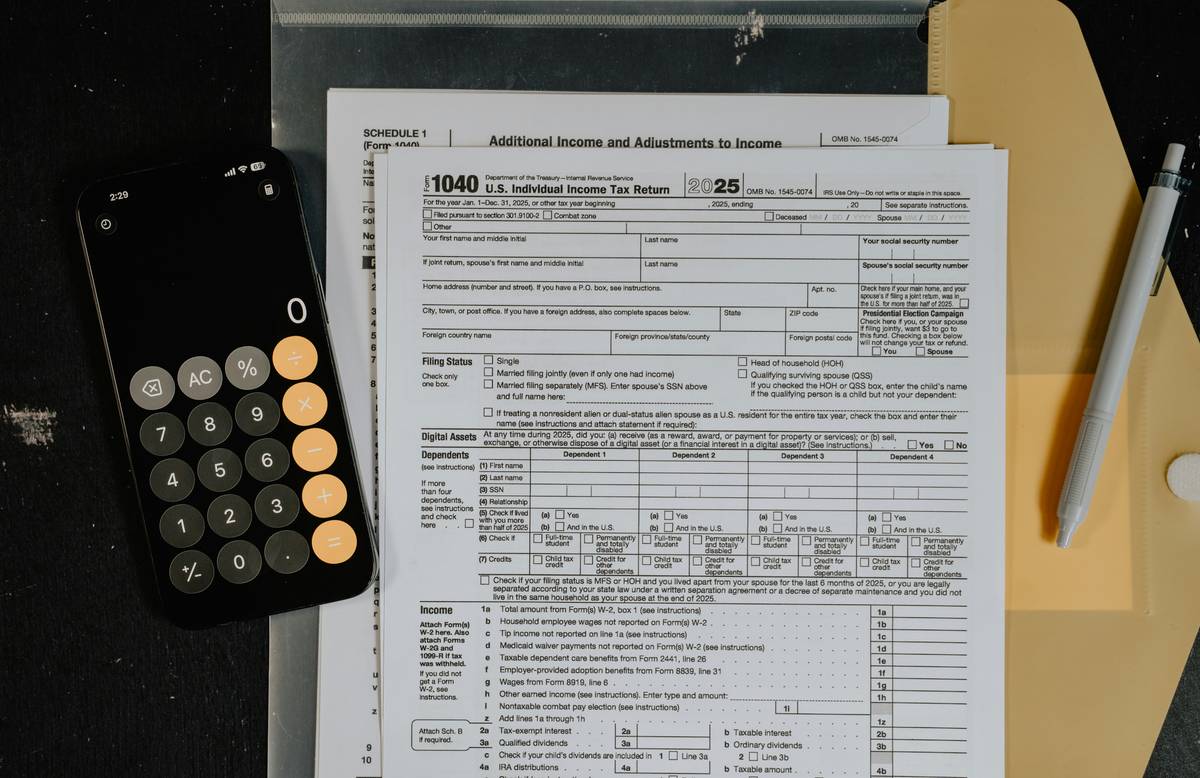
FAQs About Tax Support for Freelancers
Can I deduct travel insurance if I’m not leaving the U.S.?
Yes—if the trip is for business. Domestic conferences, client site visits, or co-working retreats all qualify.
What if I use a personal policy that covers work gear?
Risky. The IRS may disallow it if the primary insured purpose is personal. Get a policy labeled “business travel” or “freelancer coverage.”
Do digital nomads pay state taxes while traveling?
It depends. Your “tax home” is usually where you maintain a permanent residence or conduct most business. Consult a CPA if you’re hopping states/countries monthly.
Is travel insurance deductible if I cancel for non-business reasons?
No. Only premiums—not claims—are deductible. And only if the original trip had a valid business purpose.
Conclusion
Tax support for freelancers isn’t about gaming the system—it’s about playing by the rules smarter. Travel insurance, when chosen and documented correctly, becomes more than protection; it’s a legitimate business expense that shrinks your taxable income.
Track purpose, pick professional-grade policies, and never wing your receipts. Because at tax time, the difference between a refund and a penalty is often just one well-labeled photo of your airport coffee receipt.
Like a Tamagotchi, your deductions need daily care—or they die come April 15th.