
Ever picked up a rideshare passenger, made a delivery mid-lunch rush, or driven 40 miles for your fifth DoorDash drop—and then remembered your car insurance is still labeled “personal use only”? Yeah. That pit-in-your-stomach moment hits harder than a flat tire at 2 a.m.
If you’re a gig worker who uses your vehicle to earn—whether driving for Uber, delivering groceries with Instacart, or shuttling people via Lyft—you’re operating in a gray zone most standard auto policies flat-out refuse to cover. And insurers aren’t bluffing: A 2023 NAIC (National Association of Insurance Commissioners) report found that over 68% of gig drivers were underinsured—meaning they risked paying out-of-pocket for repairs, medical bills, or lawsuits after an accident during gig work.
This post breaks down exactly what “auto insurance for gig workers” really means, why your personal policy likely excludes commercial activity (even if you only drive part-time), and how to lock in coverage that protects both your livelihood and your peace of mind. You’ll learn:
- Why your personal auto insurance voids coverage the second you toggle “online” on your gig app
- The three types of gig worker auto insurance—and which one fits your hustle
- Real-world claims stories (including one where a driver lost $12K because of a coverage gap)
- How to compare quotes without getting nickel-and-dimed by hidden exclusions
Table of Contents
- Key Takeaways
- The Gig Insurance Gap: Why Your Personal Policy Fails You
- Types of Auto Insurance for Gig Workers
- Best Practices When Buying Coverage
- Real Case Studies: When Coverage Saved (or Didn’t Save) the Day
- FAQs About Auto Insurance for Gig Workers
- Conclusion
Key Takeaways
- Personal auto insurance typically excludes “livery” or “commercial use”—which includes rideshare and delivery gigs.
- Most rideshare companies (Uber, Lyft) only provide limited liability coverage during specific periods—not comprehensive or collision.
- Dedicated gig worker insurance policies (like those from GEICO, State Farm, or Next) bridge all coverage gaps.
- Failing to disclose gig work to your insurer can lead to denied claims, policy cancellation, or even fraud allegations.
- Cost varies by state, mileage, and platform—but expect $15–$40/month extra for proper gig coverage.
The Gig Insurance Gap: Why Your Personal Policy Fails You
Here’s the brutal truth: If your car’s your office—hauling passengers, packages, or PSLs (Pumpkin Spice Lattes, obviously)—your personal auto policy almost certainly doesn’t cover you once you start earning.
I learned this the hard way back in 2020. I was driving part-time for Postmates between freelance writing gigs. One rainy Tuesday, a cyclist swerved into my lane near downtown Austin. We collided. No serious injuries—but $7,200 in car repairs and a week off work. My insurer? Denied the claim. Said “on-demand delivery constitutes commercial activity.” I had to max out a credit card. Not chef’s kiss. More like… financial whiplash.
Standard personal auto policies contain a “business use exclusion.” Translation: If you’re using your vehicle to make money—not just commuting—you’re violating the terms. Even if you only drive weekends.
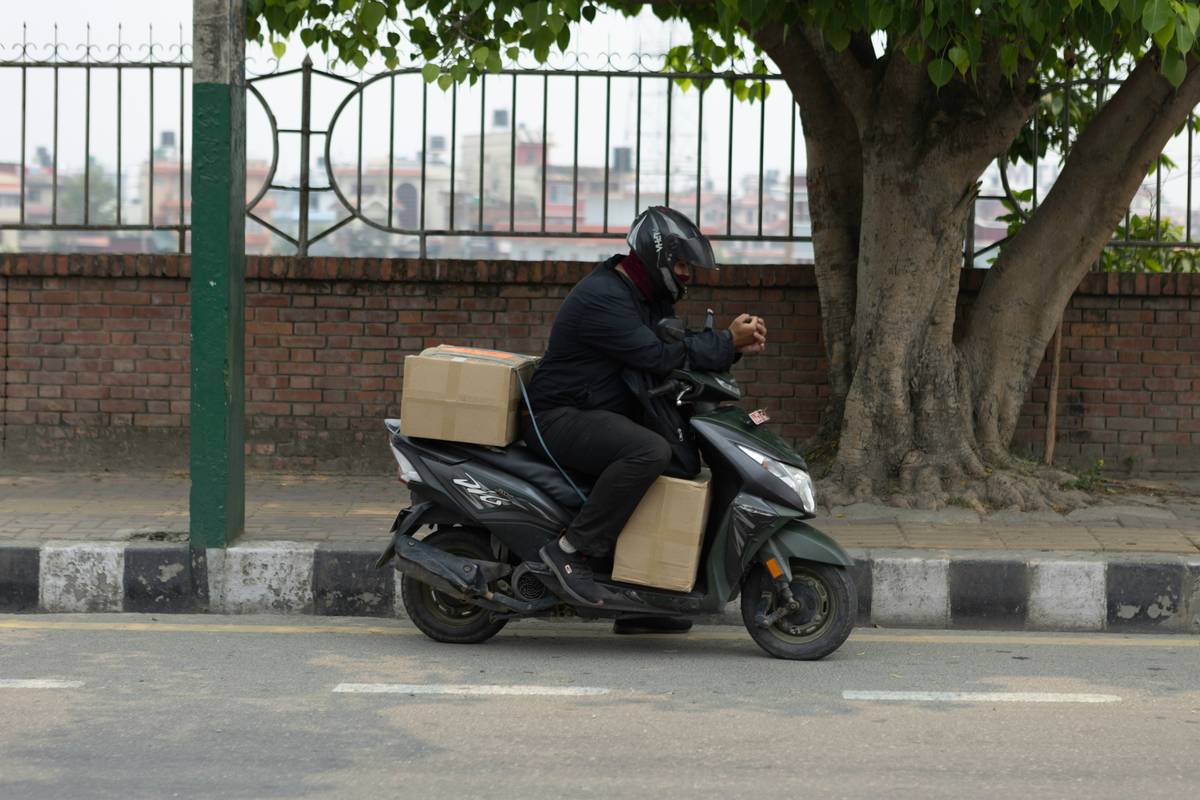
Worse yet, most rideshare/delivery apps offer patchwork coverage:
- Period 1 (App Off): Covered by your personal policy—if you have one.
- Period 2 (App On, Waiting for Request): Platforms usually provide only $50K–$100K in liability (far below recommended $300K+ limits).
- Period 3 (Trip Accepted): Liability coverage improves (often up to $1M), but physical damage coverage (collision/comprehensive) is rarely included unless you bought it separately.
So if a tree crushes your car while you’re waiting for a DoorDash order? Good luck getting reimbursed.
Types of Auto Insurance for Gig Workers
What’s the difference between rideshare insurance and gig worker insurance?
“Rideshare insurance” traditionally covered Uber/Lyft drivers. But today’s gig economy includes food delivery (DoorDash, Uber Eats), grocery runs (Instacart), and even pet transport (Rover). That’s why major insurers now offer broader “gig economy” endorsements or standalone policies.
Option 1: Rideshare Endorsement (Add-on to Personal Policy)
Best for: Drivers who primarily do rideshare (Uber/Lyft) and already have personal insurance.
Insurers like GEICO, Allstate, and Progressive let you add a “transportation network company (TNC)” endorsement for $10–$30/month. It fills gaps in Periods 2 and 3 with liability, collision, and comprehensive.
Grumpy You: “Ugh, fine—but only if I don’t have to call customer service.”
Optimist You: “It’s seamless! Just tell your agent you drive for Uber and they’ll attach it.”
Option 2: Commercial Auto Policy
Best for: Full-time gig workers logging 30+ hours/week or using multiple platforms.
These are pricier ($150–$300/month) but built for business use. They cover all gig activities under one roof—even if you switch from delivering meals to moving furniture on TaskRabbit.
Option 3: Specialized Gig Worker Policies
Best for: Part-timers or multi-platform hustlers wanting flexibility.
Startups like Next Insurance and Thimble offer on-demand, hourly, or monthly policies tailored to gig work. Some even let you toggle coverage on/off via app—ideal if you only drive two nights a week.
Best Practices When Buying Coverage
- Disclose ALL gig platforms. Don’t just say “I drive for Uber.” Mention DoorDash, Instacart, etc. Omission = claim denial.
- Aim for $300K+ in liability. Minimum state limits ($15K–$25K) won’t cover serious accidents.
- Insist on collision & comprehensive during Period 2. This is where most drivers get burned.
- Compare total cost—not just premiums. Check deductibles, coverage triggers, and exclusions.
- Never rely solely on platform coverage. Uber’s insurance won’t pay for your cracked windshield while waiting for a fare.
My Pet Peeve: “You’re Covered!” Misinformation
Platforms love saying “You’re insured!” in-app. Technically true—but only for liability during active trips. They omit that your own car damage? Medical co-pays? Rental reimbursement? Not covered. Stop gaslighting gig workers with half-truths.
Real Case Studies: When Coverage Saved (or Didn’t Save) the Day
Case Study 1: The Denied Claim (Austin, TX)
Maria drove for Uber Eats 10 hrs/week. She rear-ended a sedan while en route to a delivery (Period 3). Uber covered the other driver’s $8K repair—but Maria’s $9K SUV damage? Her personal insurer denied it, citing “commercial activity.” She didn’t have a rideshare endorsement. Outcome: $9K out of pocket.
Case Study 2: The Smart Switch (Portland, OR)
Jamal added GEICO’s TNC endorsement for $22/month. Later, his car was vandalized while waiting for a Lyft request (Period 2). Comprehensive kicked in—$500 deductible. He filed, got reimbursed in 72 hours, and kept driving. Total cost: $22 + $500 vs. potential $10K loss.
FAQs About Auto Insurance for Gig Workers
Do I need auto insurance for gig workers if I only deliver food occasionally?
Yes. Even one delivery per month qualifies as commercial use. One accident = financial disaster without proper coverage.
Does my rideshare company’s insurance cover me fully?
No. Most only provide liability (not damage to your car) during Period 2, and coverage starts only after you accept a trip.
Can I get gig worker insurance if I have a DUI?
Possibly—but expect higher rates. Insurers like Dairyland or The General specialize in high-risk drivers.
Is gig worker insurance tax-deductible?
Yes! The IRS lets you deduct insurance premiums as a business expense (Schedule C). Keep receipts.
What’s the #1 mistake gig workers make with insurance?
Assuming their personal policy covers them “just in case.” Spoiler: It doesn’t.
Conclusion
Your car isn’t just metal and rubber—it’s your livelihood. Skimping on auto insurance for gig workers is like texting while driving: risky, avoidable, and potentially catastrophic. Whether you add a TNC endorsement, switch to a commercial policy, or try an on-demand provider, get verified gig coverage before your next shift.
Because when the check engine light flickers or a fender bender happens mid-delivery, you’ll want more than just hopes and prayers—you’ll want a policy that actually pays out.
Like a Tamagotchi, your gig hustle needs daily care. And part of that care? Making sure your wheels are legally, financially, and ethically protected.
Driving through rain,
Gig app pings—a new order.
Insurance clicks on.