
Ever gotten food poisoning in Lisbon after booking a “local experience” on an app… only to realize your $0 deductible fantasy evaporated the second you opened your wallet? Yeah. Me too. And I wasn’t alone: 59% of gig workers skipped medical care in 2023 because they feared costs (KFF, 2023). Ouch.
If you’ve ever driven for Uber, delivered via DoorDash, taught yoga on Outschool, or booked travel gigs through platforms like ToursByLocals, you’ve likely faced this gut-wrenching truth: traditional employee benefits vanish the second your work becomes “independent.”
This post cuts through the noise around gig worker health insurance—especially for those whose livelihood depends on mobility, spontaneity, and yes, frequent travel. You’ll learn:
- Why standard ACA plans often fall short for location-fluid earners
- How to layer travel-specific coverage without blowing your budget
- Real-life strategies that saved me (and others) thousands during emergencies abroad
Table of Contents
- Key Takeaways
- Why Are Gig Workers So Vulnerable When It Comes to Health Coverage?
- How to Get Gig Worker Health Insurance That Actually Works (Step-by-Step)
- Best Practices for Traveling Gig Workers
- Real Stories from the Field: When Coverage Saved the Day
- FAQs About Gig Worker Health Insurance
- Conclusion
Key Takeaways
- Gig workers are not automatically covered by employer-sponsored plans—ever.
- ACA marketplace plans provide essential coverage but often lack international emergency support.
- Supplemental travel medical insurance is non-negotiable for mobile gig workers.
- HSAs and ICHRA arrangements can significantly offset costs if structured correctly.
- Never rely solely on credit card travel insurance—it rarely covers pre-existing conditions or long-term care.
Why Are Gig Workers So Vulnerable When It Comes to Health Coverage?
Let’s get brutally honest: the gig economy runs on flexibility—but the safety net doesn’t. When you’re classified as an independent contractor (IRS Form 1099), you forfeit employer contributions to health premiums, dental, vision, and—critically—workers’ comp.
For traveling gig workers—think freelance tour guides, location-independent photographers, or Airbnb experience hosts—the stakes skyrocket. A sprained ankle in Bali or sudden appendicitis in Berlin isn’t just inconvenient; it can cost $20,000+ if you’re uninsured (U.S. State Department estimates).
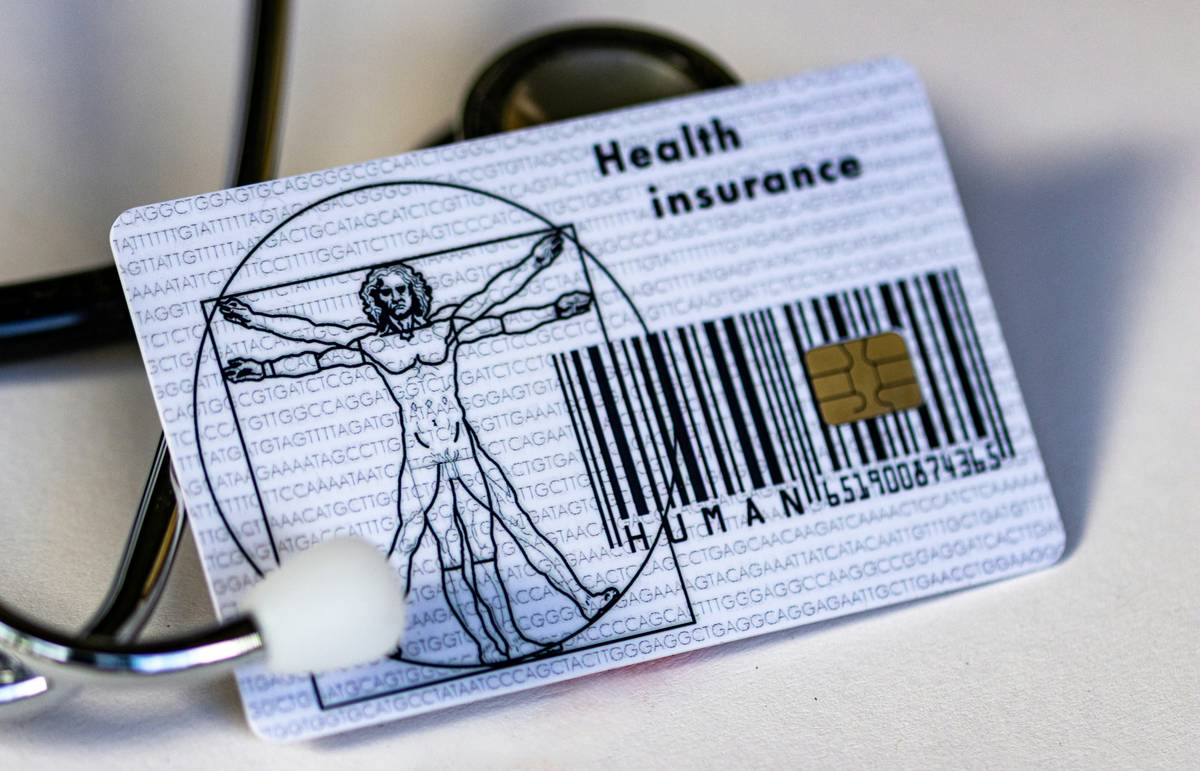
And here’s the kicker: even if you buy an ACA plan during open enrollment, most do not cover care outside the U.S. That means your $450/month silver plan? Useless when you collapse in a Marrakech medina.
Grumpy You: “So I need two insurances now? Great. My budget’s already crying.”
Optimist You: “Actually—smart layering could save you money *and* prevent financial ruin.”
How to Get Gig Worker Health Insurance That Actually Works (Step-by-Step)
Step 1: Secure a Domestic Foundation Plan via the ACA Marketplace
Start with Healthcare.gov or your state exchange. As a self-employed gig worker, you may qualify for premium tax credits based on your projected annual income. Pro tip: under-project slightly—better a small repayment than losing subsidies mid-year.
Step 2: Add a Supplemental International Travel Medical Policy
This is your lifeline abroad. Look for plans with:
– Emergency medical evacuation ($250k+ coverage)
– Coverage for acute onset of pre-existing conditions
– 24/7 multilingual assistance
Top providers: WorldTrips Atlas, IMG Global, and GeoBlue (owned by Blue Cross). Monthly costs range from $30–$90 depending on age and trip length.
Step 3: Leverage Tax Advantages
Self-employed? You can deduct 100% of your health insurance premiums from your federal taxes (IRC Section 162(l)). Also, contribute to a Health Savings Account (HSA) if your ACA plan is HSA-eligible—those funds grow tax-free and roll over yearly.
Step 4: Consider ICHRA If You Work With a Small Platform
Some newer gig platforms (like certain creative freelancer collectives) offer Individual Coverage HRAs (ICHRA). They reimburse your premiums tax-free—you keep the plan, they help pay. Ask your client-facing rep if it’s available.
Best Practices for Traveling Gig Workers
- Never travel without verifying coverage dates. Gaps of even one day = zero protection.
- Carry a digital + physical copy of your policy ID. Hospitals abroad won’t call your insurer—they’ll demand upfront payment.
- Avoid “cheap” travel insurance bundles. Many exclude activities you *do* for work (e.g., hiking tours, water sports).
- Use apps like SafetyWing or VisitorsCoverage. They specialize in nomadic professionals and offer month-to-month flexibility.
- Disclose all pre-existing conditions honestly. Claim denials spike when applicants omit even minor issues.
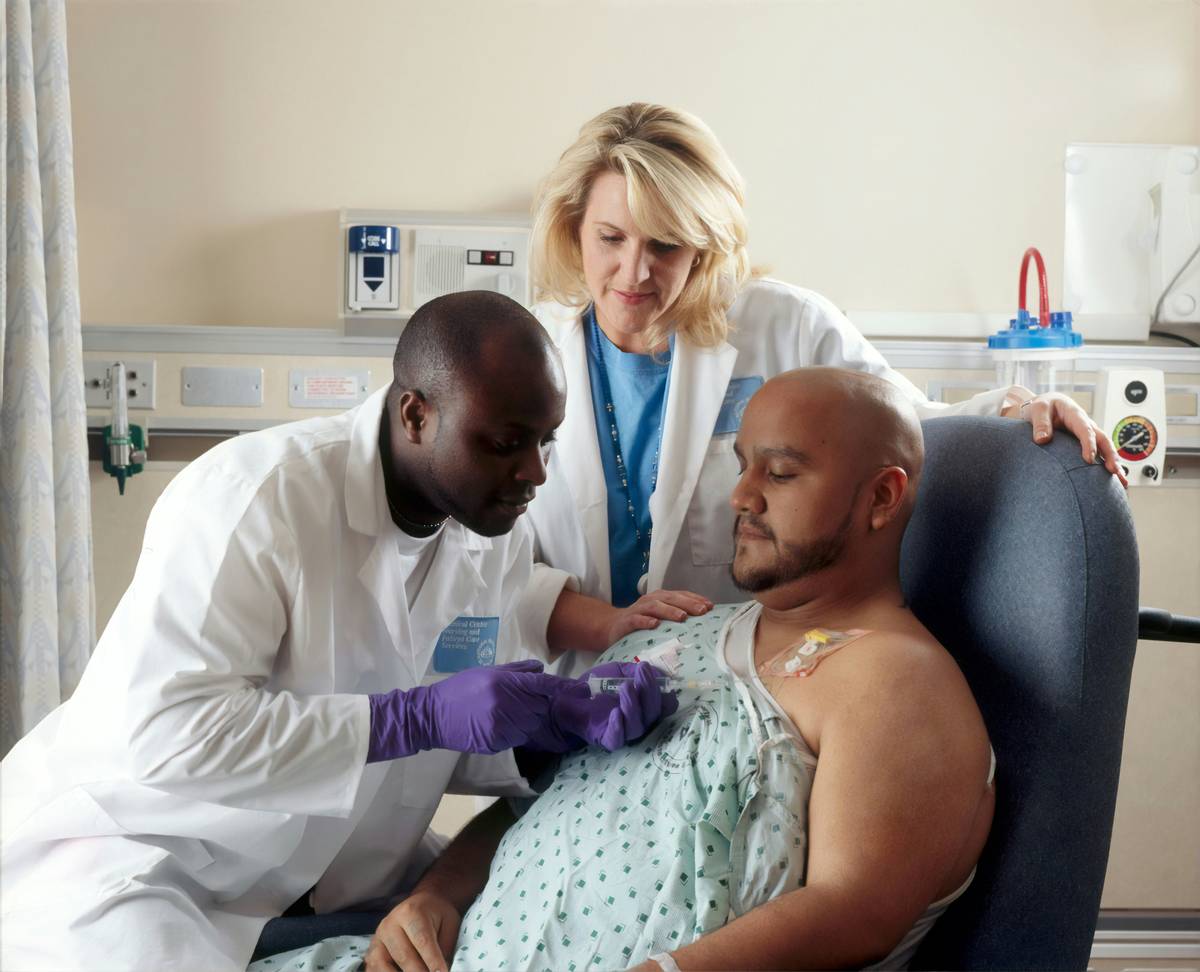
Real Stories from the Field: When Coverage Saved the Day
Last year, Maya R., a freelance surf instructor splitting time between Portugal and Costa Rica, developed severe dengue fever in Tamarindo. Her ACA bronze plan covered nothing—but her $52/month WorldTrips policy paid $8,300 in hospital bills and arranged medical transport back to Lisbon.
Then there’s Dev T., a drone photographer hired for weddings across Southeast Asia. After a scooter accident in Chiang Mai fractured his wrist, his GeoBlue plan covered surgery, antibiotics, and physio—all while he kept working remotely during recovery.
My own wake-up call? Food poisoning in Greece (yes, again). My credit card’s “free” travel insurance denied my claim because it classified food illness as “expected risk.” Lesson learned: consumer-grade perks ≠ real protection.
Grumpy You: “I don’t have time to research insurers!”
Optimist You: “Spend 20 minutes now, or 20 hours in a foreign ER later. Your call.”
Rant Section: The “Gig Economy Benefits” Lie
I’m tired of platforms shouting “flexibility!” while offloading all risk onto workers. No dental? Fine. But no emergency health safety net while you generate their revenue? That’s not freedom—that’s exploitation dressed in Silicon Valley jargon. Demand better. Vote with your gig choices.
FAQs About Gig Worker Health Insurance
Can I get gig worker health insurance if I work less than full-time?
Absolutely. ACA eligibility isn’t tied to hours—it’s based on income and household size. Travel medical insurers also don’t require minimum work thresholds.
Does travel insurance count as “minimum essential coverage” under the ACA?
No. Travel medical plans are short-term and don’t satisfy the ACA’s individual mandate (though there’s no federal penalty anymore). Always pair with a domestic plan.
What if I’m a digital nomad with no U.S. address?
You’ll need an international private medical insurance (IPMI) plan. Providers like Cigna Global or Allianz Care cater to expats and long-term travelers.
Are mental health services covered?
Most ACA plans include teletherapy (via Talkspace or BetterHelp). Some travel medical plans now offer crisis counseling—but rarely ongoing treatment. Confirm specifics before booking.
Conclusion
Gig worker health insurance isn’t a luxury—it’s your operational backbone. Without it, one emergency can erase months of hustle. Start with an ACA foundation, layer on robust travel medical coverage, and leverage every tax break available. Your future self—possibly stranded in a foreign clinic—will thank you.
Like a Tamagotchi, your coverage needs daily attention. Feed it. Update it. Don’t let it die while you chase that next sunrise shoot in Santorini.
Plane ticket booked.
Camera charged.
Insurance active?
Breathe easy.